
When conducting investigations, experienced professionals rely on a blend of skill, discretion, and the right tools. Private Detective Surveillance Equipment plays a central role in gathering reliable evidence, maintaining safety, and ensuring discreet observation. From compact private detective cameras to multi-functional private detective gear kits, choosing the right tools and knowing how to apply them can determine the success of an investigation. This article explores the types of equipment available, practical hidden camera applications, and the legal and ethical considerations that guide responsible use. Private detectives often rely on covert recording devices to document evidence during discreet surveillance operations.
Why specialized surveillance equipment matters
Surveillance for investigative purposes is fundamentally different from casual observation. Investigators require reliable image quality, battery life that matches the scope of an operation, secure data handling, and devices that blend into an environment. Private Detective Surveillance Equipment is designed to meet these needs: rugged housings for outdoor use, encrypted recording for chain-of-evidence integrity, and form factors that remain inconspicuous in homes, offices, or vehicles. The right equipment reduces the risk of detection and increases the likelihood that footage will be admissible and useful in a case.
Common types of private detective cameras and gear
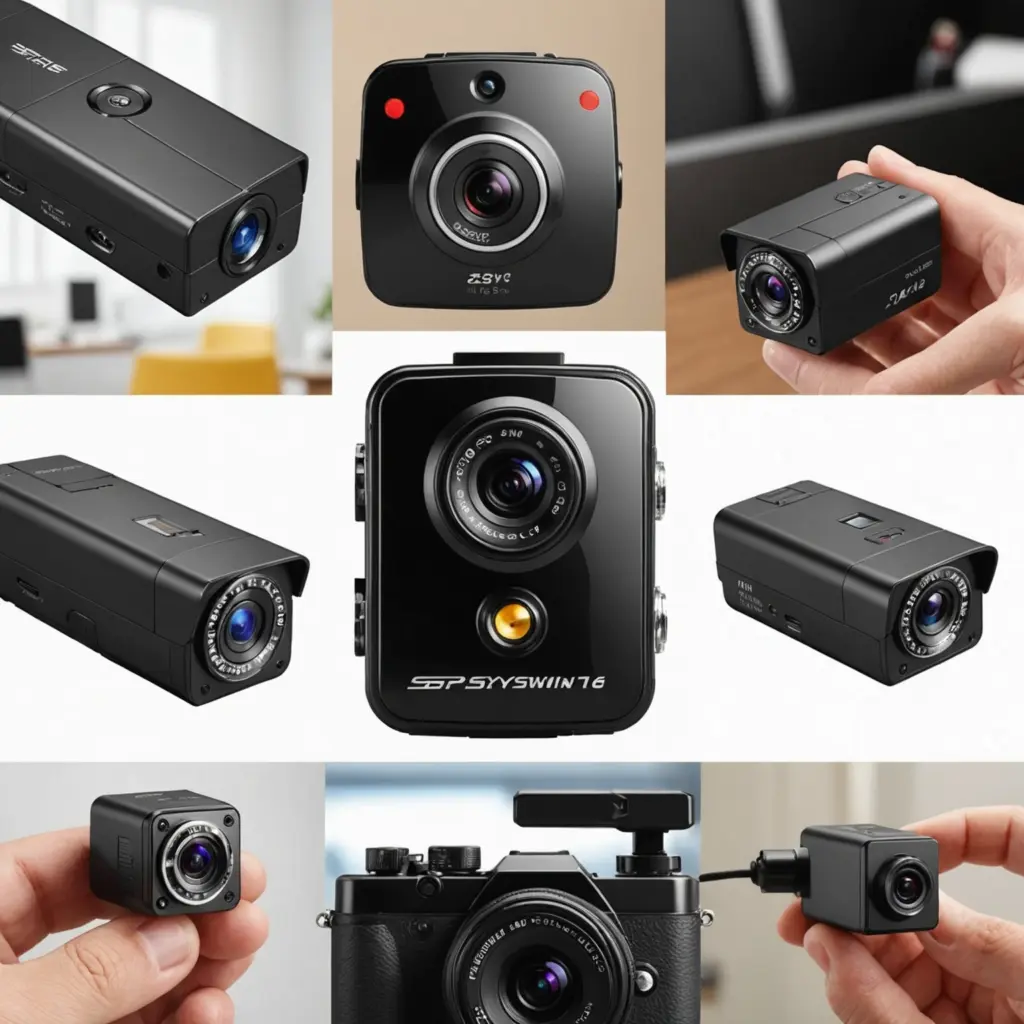
Modern private detective cameras range from tiny pinhole lenses concealed in everyday objects to high-resolution daytime and low-light cameras for outdoor surveillance. Wearable cameras can be disguised as clothing accessories, while vehicle-mounted dash or rear cameras provide continuous recording during stakeouts. Beyond cameras, private detective gear includes long-lasting batteries, portable data storage, motion sensors, and wireless transmitters for real-time monitoring. Advanced kits often pair optical zoom lenses with image stabilization to capture recognizable details from greater distances without alerting subjects.
Hidden camera applications in investigative work
Hidden camera applications are diverse and tailored to case objectives. In fraud investigations, covert cameras can document suspicious transactions or interactions that support financial claims. In domestic situations, discreet recording can clarify patterns of behavior or provide evidence for custody disputes, always within the bounds of the law. Surveillance in the workplace can reveal theft, harassment, or safety violations, though this must be approached carefully to respect employee privacy regulations. For missing person searches, mounted cameras along known routes and in vehicles can capture critical movements without interfering with the investigation.
Practical deployment: scenarios and best practices
Effective deployment of private detective surveillance equipment begins with planning. A thorough site assessment identifies optimal camera angles, potential sources of glare or concealment, and safe locations for power and data retrieval. For long-term surveillance, rotating between visible and hidden cameras can reduce suspicion while ensuring coverage. When using wireless systems for live feeds, secure network protocols and encrypted connections protect the data from interception. Combining stationary cameras with mobile observation—such as covert body-worn devices—creates a layered approach that captures both broad context and close-up evidence. Private investigators often recommend cloud storage options when adapting surveillance equipment for residential monitoring and evidence preservation.
Legal and ethical considerations for hidden camera use
Using hidden cameras raises significant legal and ethical questions that vary by jurisdiction. Laws governing consent, recording audio versus video, and expectations of privacy differ, so investigators must be well-versed in local regulations before deploying any private detective surveillance equipment. Recording in public spaces where there is no reasonable expectation of privacy is generally permitted, but placing cameras in bathrooms, private living areas, or behind the scenes in workplaces without notice can be illegal and undermine a case. Ethical practice also means minimizing intrusion, avoiding entrapment, and preserving the dignity of all parties. Consulting legal counsel before conducting sensitive operations helps protect both the investigator and the integrity of the evidence.
Choosing and maintaining the right equipment
Selecting equipment should be guided by the mission: whether the priority is discrete long-duration recording, real-time monitoring, or capturing high-resolution detail from a distance. Look for cameras with reliable low-light performance if nighttime surveillance is anticipated, and choose power solutions like solar trickle chargers or extended-life batteries for remote placements. Regular maintenance includes firmware updates, secure backups of footage to prevent data loss, and routine checks of mounting points and weatherproof seals. Proper labeling and chain-of-custody procedures ensure that when footage is used for legal proceedings, it is accepted as credible evidence.
Training and skill development
Even the best private detective gear cannot substitute for experience. Training in camera concealment, camera angle optimization, and digital evidence handling enhances the effectiveness of every mission. Technical skills such as configuring encrypted storage, troubleshooting wireless connections, and calibrating infrared illumination are increasingly important as surveillance technologies advance. Continuous learning about new devices, legal updates, and ethical guidelines keeps investigators prepared for complex assignments where discretion and accuracy matter most.
Private detective surveillance equipment and associated hidden camera applications have become indispensable tools for modern investigators. When chosen and used responsibly, these devices provide clear, admissible evidence that can clarify disputes, uncover wrongdoing, and improve safety. Success depends not only on acquiring quality private detective cameras and gear but also on understanding the legal landscape, maintaining equipment properly, and applying best practices in deployment and data management. With the right balance of technology, training, and ethics, surveillance can be a powerful asset in resolving the most challenging cases.