
A retail surveillance system should do more than record video after an incident. When it is planned carefully, it can deter theft, support employee and customer safety, document disputes, and provide useful insight into how a store operates. The most effective setup combines appropriate camera placement, dependable recording, clear policies, and regular maintenance.
What a Retail Surveillance System Should Achieve
Retailers commonly use video surveillance to address shrinkage, suspected employee theft, property damage, customer incidents, and unauthorized access to restricted areas. Visible cameras can discourage misconduct, while recorded footage may help managers investigate events, support insurance claims, or resolve disagreements about transactions.
A surveillance system can also support daily operations. Video linked with point-of-sale information may help verify unusual transactions, while access-control records and alarm events can provide additional context during an investigation. For businesses with several locations, centralized monitoring can make it easier to review incidents and manage system performance.
Planning Camera Coverage
Good planning is more important than simply installing the largest number of cameras. Begin by identifying the areas where security, safety, or operational visibility matters most. These often include:
- Entrances and exits, including areas near doors where people may be difficult to identify because of backlighting
- Checkout lanes and customer-service desks
- High-value merchandise displays
- Aisles, promotional areas, and other parts of the sales floor
- Loading zones, stockrooms, storerooms, and receiving areas
- Employee-only doors and other controlled-access points
Camera views should overlap where practical so that important activity is not lost when one camera is obstructed. Avoid positioning cameras where shelving, signs, seasonal displays, or glare will create blind spots. The layout should also account for changing store conditions, such as new fixtures or rearranged merchandise.
Choosing Equipment and Recording Methods
Many modern retail installations use networked IP cameras, often powered and connected through a single network cable. These cameras can be managed through a network video recorder or a hosted platform, depending on the retailer’s needs. A smaller store may use a more compact recorder-based system if it provides sufficient coverage and dependable storage.
Equipment should be selected for the conditions in each location rather than by resolution alone. Useful features may include:
- High resolution for entrances, registers, and areas where identifying details matter
- Wide-angle coverage for broad sales-floor views
- Low-light performance and wide dynamic range for difficult lighting
- Motion detection or video analytics to help locate relevant events
- Secure remote access for authorized managers
- Local, cloud, or redundant storage appropriate to the retailer’s retention policy
Storage capacity should be reviewed before installation. A system is of limited value if important footage is overwritten too quickly or if recordings cannot be exported when an incident requires further investigation.
Visible and Concealed Cameras
Visible retail security cameras are usually the best starting point because they provide broad coverage and clearly communicate that monitoring is taking place. Strategic placement can reduce the perceived need for concealed devices while making the system easier to explain to staff and customers.
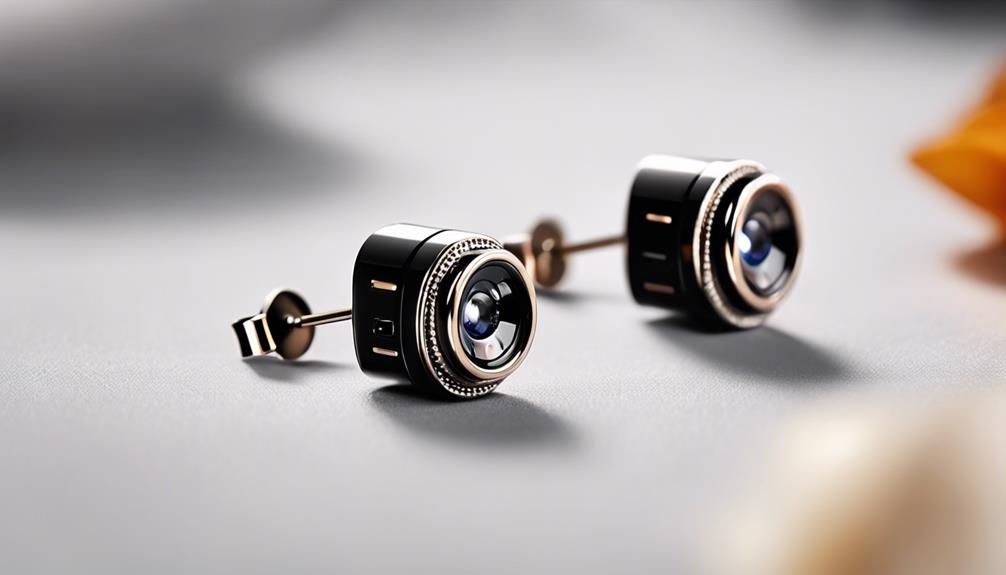
In limited circumstances, a retailer may consider a discreet camera in a restricted operational area where visible equipment is vulnerable to tampering or where a specific internal-theft concern requires additional investigation. Any such use should have a documented business reason, management approval, and legal review.
Concealed surveillance should never be used in places where people reasonably expect privacy, including restrooms, fitting rooms, or locker areas. Audio recording can be subject to separate and stricter requirements than video. Because surveillance laws differ by jurisdiction, retailers should obtain qualified legal advice before using hidden cameras or recording sound.
Using Video to Improve Store Operations
With appropriate analytics, retail video surveillance can reveal patterns that are difficult to measure through observation alone. People-counting tools, queue monitoring, and customer-flow analysis may help managers review staffing levels, store layout, and display placement. These features should be used carefully and consistently, with attention to privacy and the limits of automated interpretation.
Connecting video events with point-of-sale records, alarms, or access logs can also reduce the time needed to investigate a problem. The goal is not to monitor every activity indiscriminately, but to give authorized staff relevant information when a legitimate security or operational question arises.
Privacy, Access, and Ongoing Maintenance
A responsible surveillance program includes clear notices, defined access permissions, and staff training. Retailers should establish who may view or export footage, how requests are handled, and how long recordings are retained. Footage connected to an active investigation may need to be preserved, while routine recordings should not be kept indefinitely without a valid reason.
Regular maintenance is equally important. Inspect camera angles, clean lenses, test night and low-light views, apply firmware updates, review storage health, and confirm that alerts and remote access work as intended. Periodic checks can identify failures before an incident occurs.
A well-designed retail surveillance system balances security with privacy. By planning coverage carefully, selecting equipment suited to each area, limiting concealed monitoring, and maintaining clear governance, retailers can protect assets and people while using video as a practical operational tool.