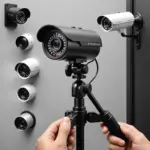

A security camera housing is more than a cover for the camera. The enclosure can protect sensitive components, support discreet installation, control exposure to weather, and influence the quality and reliability of recorded footage. In concealed or low-profile surveillance applications, the housing must balance several competing needs: visibility, durability, ventilation, cable management, and lawful use.
Why the housing matters
The camera casing is the part of the system that interacts directly with the surrounding environment. A suitable enclosure can help shield the camera from dust, moisture, accidental impact, and tampering. It may also reduce reflections and help the device blend into its surroundings without blocking the lens or interfering with the camera’s view.
Concealment should never come at the expense of performance. A housing that is too small may obstruct the lens, restrict adjustment, or trap heat. A poorly positioned enclosure can create glare, blind spots, or an unusable viewing angle. The best choice protects the equipment while allowing the camera to operate as intended.
Common types of security camera enclosures
Different environments call for different enclosure designs. Common options include:
- Compact indoor housings: Small casings can be installed where a low-profile appearance is important. They are useful for cameras mounted near ceilings, shelves, fixtures, or other interior structures.
- Discreet object-style housings: Some products are designed to resemble ordinary items such as clocks, smoke detectors, light fixtures, or junction boxes. These should only be used where recording is lawful and people are not being misled in circumstances where disclosure or consent is required.
- Dome housings: Dome-style designs offer a compact profile and can make the camera’s direction less obvious. They are available for both indoor and outdoor applications.
- Weather-resistant housings: Outdoor enclosures protect against rain, dust, temperature changes, and pests. Check the manufacturer’s environmental specifications rather than assuming that every outdoor-looking casing is fully weatherproof.
- Tamper-resistant enclosures: These may use concealed fasteners, stronger materials, or protected cable routes to make interference more difficult.
What to consider before choosing a housing
Camera and lens compatibility
Start with the camera’s physical dimensions, lens size, mounting method, and adjustment range. The housing should leave enough room for the camera and any required connectors without pressing against the lens or restricting focus. If the camera uses pan, tilt, or other moving features, confirm that the enclosure allows the full intended range of motion.
Location and environmental exposure
Indoor cameras may need protection from dust or accidental contact, while outdoor cameras require more substantial protection from precipitation and temperature extremes. For exposed installations, review the enclosure’s stated protection rating and confirm that its seals, covers, and cable entries are suitable for the location.
Heat and ventilation
Electronics generate heat, and a tightly enclosed camera may become warmer than the surrounding air. Excessive heat can affect reliability and image quality. Choose a housing with appropriate ventilation or heat-dissipation features when the camera, lighting, or installation environment requires it. Ventilation openings should not undermine protection against moisture or insects.
Field of view and appearance
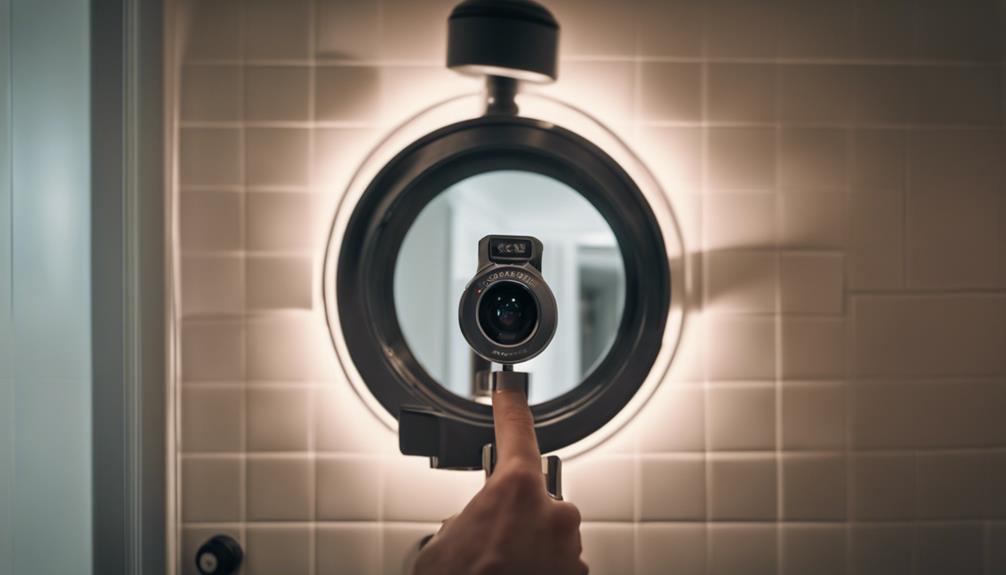
Before fixing the housing in place, check that the lens has a clear line of sight. Consider reflections from glass, bright lights, walls, and nearby surfaces. A discreet housing should look natural in its setting, but it must not be positioned in a way that creates blind spots or encourages installation in an inappropriate private area.
Installation and maintenance
Test the camera angle and image quality before completing the installation. Route cables through suitable conduits or protected spaces, keeping connections secure and avoiding sharp bends. For wireless or battery-powered equipment, make sure the housing can be opened for maintenance without damaging the enclosure or changing the camera’s position.
Inspect the system periodically. Dust, insects, spider webs, condensation, and seasonal debris can reduce image quality, especially when the camera is behind a small opening or transparent cover. Outdoor installations should also be checked for damaged seals, loose fittings, corrosion, and water entry. Clean the lens and protective window with materials appropriate for the surface.
Privacy, legal, and ethical responsibilities
Covert or discreet recording can be subject to privacy, workplace, property, and audio-recording laws. Requirements differ by jurisdiction, and audio may be regulated differently from video. Recording in places where people reasonably expect privacy—such as bathrooms, changing areas, or private rooms—can be unlawful and harmful.
Before installing a concealed camera, identify the legitimate security purpose, consider whether a visible camera or another less intrusive measure would work, and review the rules that apply to the location. Consent, notice, access controls, retention practices, and restrictions on audio may all be relevant. When in doubt, obtain qualified local legal advice rather than relying on a general enclosure guide.
Choose protection without sacrificing responsibility
The right security camera housing should match the camera, environment, installation method, and required level of protection. Careful attention to compatibility, heat, weather exposure, cable routing, and maintenance will improve reliability. Just as importantly, discreet surveillance should be used only for legitimate purposes and in a way that respects the privacy and rights of the people who may be recorded.