
Security cameras for seniors are becoming an essential part of modern caregiving. Whether used by family members who live far away or by professional caregivers coordinating care, cameras can provide peace of mind, improve response times in emergencies, and help monitor daily routines without being intrusive. This article covers how to choose the right devices, practical use cases, ethical and legal considerations—especially for hidden camera applications—and tips for installing in home cameras for elderly residents safely and respectfully. Families researching security cameras for seniors can learn discreet monitoring solutions that balance observation with privacy rights.
Why security cameras for seniors matter
As people age, the risk of falls, medication errors, and sudden medical events increases. A security camera for elderly care can add a layer of safety by enabling remote monitoring and quick alerting when something goes wrong. For relatives who cannot be physically present, cameras offer visual reassurance that basic needs are being met and that the senior is active and comfortable. Beyond safety, cameras can help caregivers understand daily routines and detect subtle changes in behavior that may indicate emerging health issues.
Choosing the best indoor camera for elderly care
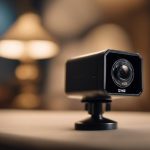
Selecting the best indoor camera for elderly situations means balancing ease of use, image quality, and privacy protections. Look for devices with clear two-way audio, reliable motion detection, and night vision to monitor activity around the clock. An intuitive mobile app and simple account sharing make it easier for multiple family members to stay informed. For many seniors, an elderly surveillance camera with wide-angle viewing and pan-tilt capability reduces the number of devices needed to cover living spaces.
Storage options are important too. Cameras that offer encrypted cloud storage or local storage with password protection help protect sensitive footage. If you are considering an old people camera that plugs into the wall, check for power redundancy to avoid gaps in coverage. Some cameras designed for eldercare also include AI-assisted features such as fall detection or unusual activity alerts, but you should research their accuracy before relying on them exclusively.
Practical use cases for in home cameras for elderly residents
There are many legitimate and practical use cases for in home cameras for elderly loved ones. Family members often use cameras to confirm that a senior has taken medication or to verify that a caregiver arrived at the scheduled time. Cameras can also aid in monitoring nighttime movement for those prone to wandering or nocturnal confusion, helping prevent accidents. In multi-occupant homes, cameras focused on common areas—not private spaces—can clarify disputes and document patterns that inform care adjustments.
For professional caregivers and assisted living staff, elderly surveillance camera systems can improve coordination and response. Visual monitoring can identify when additional support is needed or when routines change, enabling proactive outreach to healthcare providers. However, cameras should complement rather than replace direct human interaction; nothing substitutes personal check-ins for emotional well-being.
Hidden camera applications and ethical considerations
Hidden camera applications in eldercare raise complex ethical and legal questions. While a hidden camera might seem like a way to discreetly verify care quality or detect abuse, covert recording can violate privacy rights and erode trust between seniors and their caregivers. Before installing any concealed device, obtain informed consent from the senior whenever possible and from any cohabitants. If the senior lacks decision-making capacity, consult legal guardians or follow local regulations that govern surveillance and elder protection. For seniors, consider sistemas con audio to improve home monitoring and two-way communication for caregivers.
Transparency is usually the best policy. Openly placed cameras in common areas, with clear notices and shared access to footage, strike a balance between oversight and respect. If you suspect abuse or neglect, follow legal channels—report concerns to adult protective services or law enforcement—rather than relying solely on hidden recordings, which may not be admissible as evidence depending on local laws.
Installation, features, and privacy tips
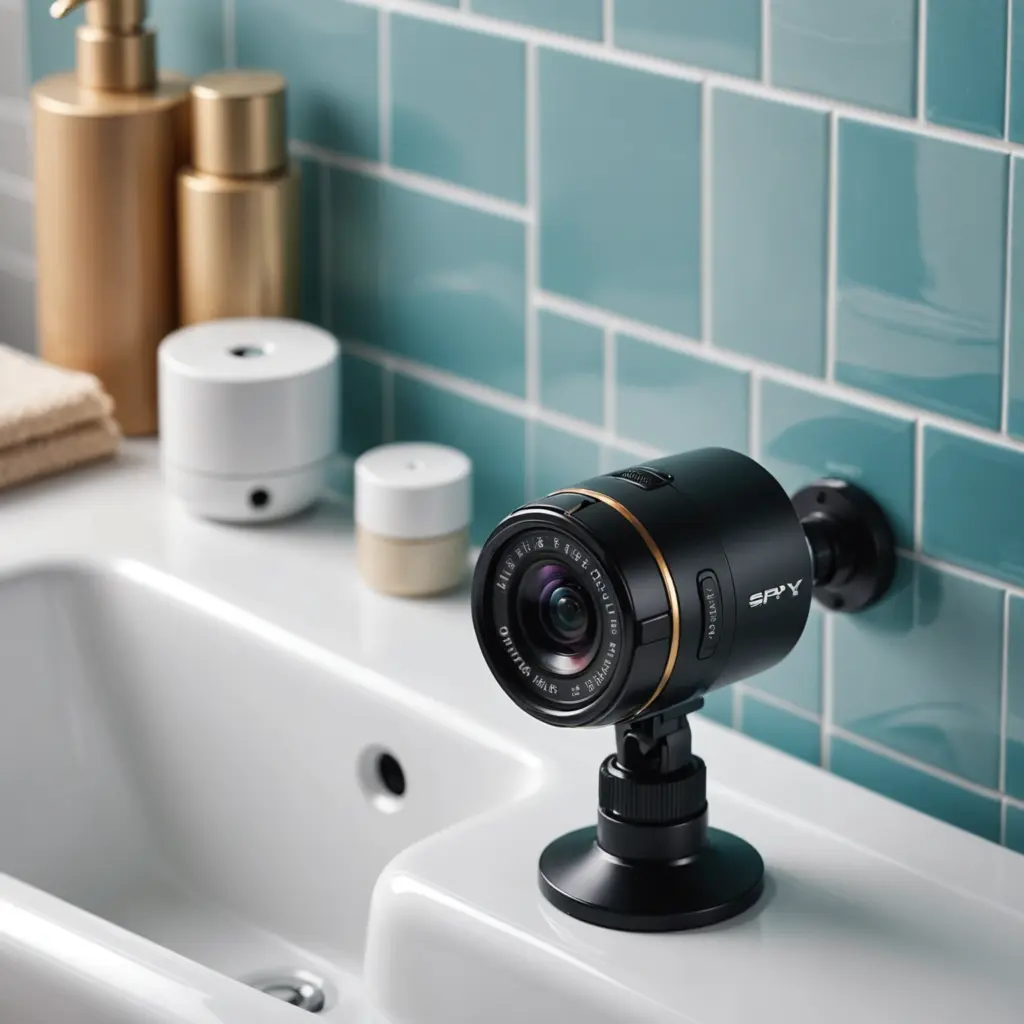
Proper installation and privacy management are key to getting value from security cameras for seniors without compromising dignity. Position cameras to monitor living rooms, kitchens, and entryways rather than bathrooms or bedrooms to protect intimate privacy. If monitoring for fall risk, place a camera where it can capture the most common areas of movement and set motion sensitivity to minimize false alerts from pets or natural lighting changes.
Prioritize strong security practices: change default passwords, enable two-factor authentication, and keep firmware up to date to prevent unauthorized access. Use encrypted storage options and configure retention settings so recordings are deleted after an appropriate period unless retained for a specific incident. When sharing access, limit permissions to essential viewers and periodically review who has access to the feeds.
For those worried about the stigma of being watched, choose cameras with visible indicators (LEDs) and explain their safety purpose. Some families establish clear protocols about when live viewing is appropriate—such as during nighttime checks or after a fall alarm—to maintain trust and reduce the sense of constant surveillance.
Finally, consider interoperability with other eldercare devices. Cameras that integrate with emergency alert systems, smart locks, or caregiving platforms can create a cohesive safety net, allowing quicker responses and better documentation of incidents. Always evaluate compatibility and data privacy policies before integrating multiple systems.
Security cameras for seniors can be powerful tools when selected and used thoughtfully. Prioritize clear communication, legal compliance, and the dignity of the person you are caring for. Choose devices that are easy to operate, protect privacy through secure storage and settings, and support practical monitoring goals without replacing human connection. With the right approach, in home cameras for elderly people can enhance safety, provide reassurance, and improve the quality of care while respecting the rights and preferences of the older adult.