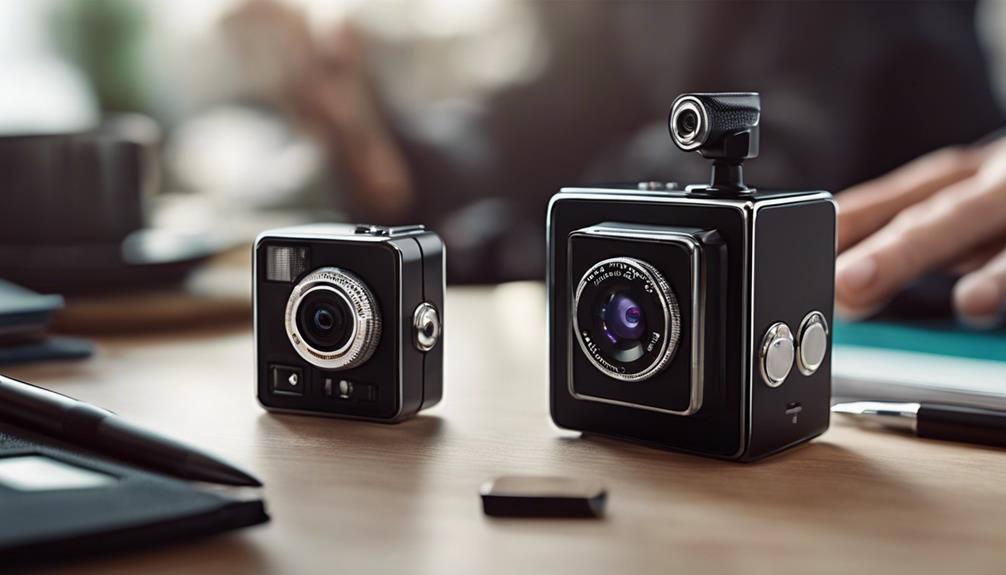

Wi-Fi cameras with audio can provide remote access to live video, motion alerts, and recorded footage. The best choice depends on what matters most in your situation: sharp image quality, visibility in low light, privacy controls, or recording flexibility.
Because these devices can capture sound as well as images, responsible use is essential. Always check the surveillance and audio-recording laws that apply where you live, and avoid monitoring private spaces without proper consent. The three options below represent different feature priorities rather than a single universal winner.
1. Model A: Best for high-resolution video and remote access
Model A is the strongest choice when clear video is the main priority. Its high-resolution camera is designed to produce sharper footage, which can make it easier to review activity and identify details within the camera’s view.
It also includes Wi-Fi connectivity for smartphone access, allowing users to view a live feed and review recordings remotely. Cloud storage is another notable feature, giving users a way to access saved footage from different locations rather than relying solely on local storage.
- High-resolution video for clearer footage
- Remote live viewing and playback through a smartphone
- Cloud storage support for convenient access to recordings
- Encryption protocols intended to help protect transmitted data
Choose this model if image clarity and remote access are more important than specialized low-light performance or a physical privacy mechanism.
2. Model B: Best for low-light monitoring and motion detection
Model B is suited to locations where lighting conditions may change or become limited. Its enhanced night vision is intended to improve visibility in low-light environments, making it a practical option for monitoring areas that are not consistently well lit.
The model also emphasizes motion detection. When movement is detected within the camera’s field of view, it can trigger recording or an alert. This approach may reduce unnecessary footage and make it easier to focus on moments when activity actually occurs.
- Enhanced night vision for darker settings
- Motion-triggered recording or notifications
- Remote access through a connected smartphone
- Potentially more efficient use of storage than continuous recording
Model B may be the better fit for entrances, storage areas, or other spaces where movement is the main event to be monitored. Motion detection can still produce unwanted alerts, so placement and sensitivity settings should be reviewed after installation.
3. Model C: Best for visible privacy control and continuous recording
Model C takes a different approach by including a physical privacy shutter. This provides a direct way to block the camera lens when visual monitoring is not wanted, offering a more immediate privacy control than relying only on software settings.
It also supports continuous loop recording. This allows recording to continue over time, with newer footage replacing older footage as available storage is filled. That feature can be useful when uninterrupted coverage is more important than recording only when motion occurs.
- Physical privacy shutter for blocking the lens
- Continuous loop recording
- Wi-Fi access for live viewing and playback
- Audio capability, subject to local recording requirements
Select Model C if having a physical lens cover is important or if you prefer ongoing recording instead of motion-triggered clips.
How to choose between the three
Start by identifying the feature that solves your main problem:
- Choose Model A for high-resolution footage and cloud-based remote access.
- Choose Model B for low-light visibility and activity-based alerts.
- Choose Model C for a physical privacy shutter and continuous loop recording.
Also consider how recordings will be stored, how often you need alerts, and whether the camera will operate in a dark or frequently changing environment. Wi-Fi performance matters as well: a weak connection can interrupt live viewing, delay notifications, or prevent footage from uploading reliably.
Responsible setup and troubleshooting
Place the camera where its view is useful but does not intrude on private areas such as bathrooms or bedrooms. Keep the lens unobstructed, secure the device against accidental movement, and position the microphone so that it is not covered.
Before relying on the camera, test live viewing, motion alerts, recording, and audio separately. If the connection fails, confirm that the camera is connected to the correct Wi-Fi network and check the network signal at its installed location. If sound is unclear, inspect the microphone opening and review the device’s audio settings.
Finally, explain the device’s purpose to people who may be recorded where required. A camera with Wi-Fi and audio can be a useful monitoring tool, but privacy, consent, and lawful placement should guide every installation.