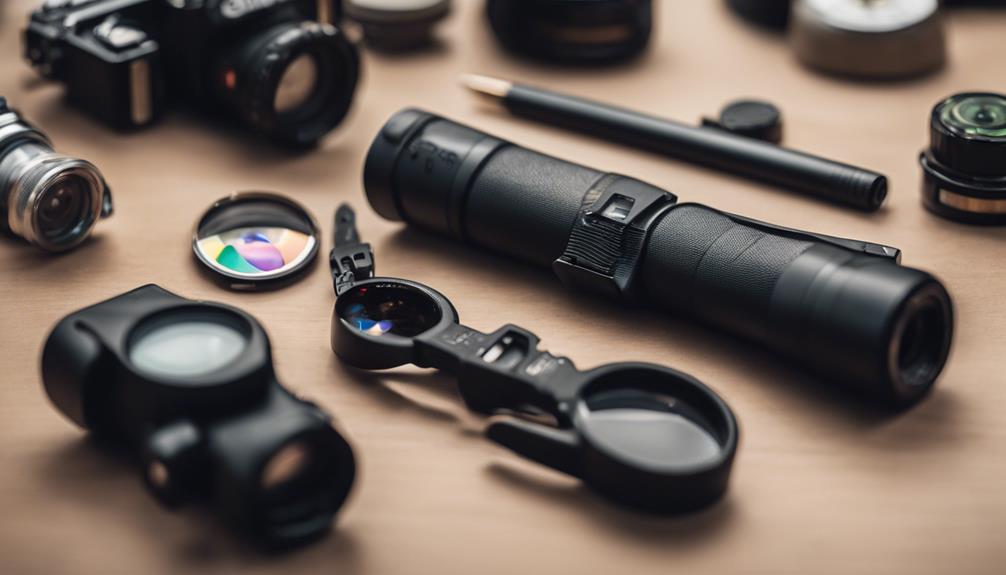

Body-worn cameras come in many forms, from ordinary-looking accessories to compact recording devices designed to remain unobtrusive. The right choice depends on where you will use it, how it can be carried comfortably, and whether video, audio, or both are required.
Before recording anyone, check the laws that apply in your location. Audio recording, private conversations, workplaces, and areas where people reasonably expect privacy may be subject to specific restrictions. Use covert recording only when you have a lawful and legitimate reason, and handle recorded material securely.
1. Camera Glasses
Camera glasses integrate a small lens into the frame, allowing hands-free recording while the device appears similar to ordinary eyewear. They may be practical when you need a forward-facing view and do not want to hold a camera. Comfort, lens placement, battery access, and whether the glasses suit your everyday appearance are important considerations.
2. Button or Pinhole Camera
A button-style camera is designed to sit against clothing with a small lens positioned behind or near a button. Its compact form can be useful for body-worn recording, but the camera should be positioned carefully so clothing does not block the lens. Check whether the model records audio as well as video and whether that functionality is legal for your intended use.
3. Smartwatch Camera
A smartwatch camera combines a wearable watch design with recording functions. This format can be convenient for quick access and may attract less attention than a handheld device. Consider how recording is started, where footage is stored, and whether the watch provides controls that help prevent accidental recording or unwanted access.
4. Keychain Video Recorder
Keychain recorders are small and easy to carry with everyday items. Their portable design can be useful for documenting situations while travelling or keeping a recording device close at hand. Look for a layout that makes it clear when recording begins, along with practical charging and file-transfer arrangements.
5. Tie Clip Camera
A tie clip camera attaches to a tie, lapel, or similar part of clothing. It provides a relatively stable, forward-facing position while leaving both hands free. This style may be suitable for formal environments, interviews, or personal documentation, provided recording is permitted and everyone’s privacy rights are respected.
6. Pen Camera
Pen cameras are shaped like writing instruments and can be carried in a pocket or placed on a desk. Their familiar appearance makes them convenient for certain settings, but they require careful placement to keep the lens aimed correctly. Do not assume that recording in a public or professional environment is automatically lawful.
7. Hat DVR
A hat-mounted recorder positions the camera above the wearer’s eye line and can provide a hands-free view. It may work well outdoors or during activities where glasses or lapel-mounted devices are impractical. A secure fit is essential, since movement of the hat can cause unstable or poorly framed footage.
8. Necklace Camera
Necklace-style cameras place the recording unit in an accessory worn around the neck. They can be more comfortable than devices attached to clothing and may suit users who prefer a casual appearance. Check how the lens faces when the necklace moves and whether the camera can be operated without repeatedly adjusting it.
9. Belt Buckle Recorder
A belt buckle recorder incorporates the camera into a belt accessory, providing a discreet, body-worn option. This position can leave the hands free and may be useful with everyday clothing. Because the camera sits lower on the body, test the viewing angle before relying on it to document an important event.
10. Hidden Body Camera
A hidden body camera is a general category covering compact recorders concealed or worn on the body. These devices may be considered for personal safety, lawful evidence gathering, or professional documentation. The most important factors are reliable operation, secure storage, clear recording controls, and a use case that does not unnecessarily intrude on other people’s privacy.
How to Choose a Body-Worn Camera
- Recording purpose: Decide whether you need video only, audio and video, or occasional still images.
- Position and viewing angle: A camera that is discreet but poorly aimed will not produce useful footage.
- Comfort: Choose an accessory you can wear securely for the required period without constant adjustment.
- Operation: Simple controls and a clear recording indicator can help avoid accidental or incomplete recordings.
- Storage and security: Protect footage from unauthorised access and retain it only as long as necessary.
- Legal compliance: Confirm the rules for consent, audio recording, workplaces, private property, and surveillance in your jurisdiction.
Use Covert Recording Responsibly
Discreet equipment can document events when a visible camera would be impractical, but concealment does not remove legal or ethical responsibilities. Avoid recording in private spaces without permission, never use these devices to harass or stalk someone, and consider whether a visible recording method would meet your needs. Choosing the least intrusive option is often the most responsible approach.