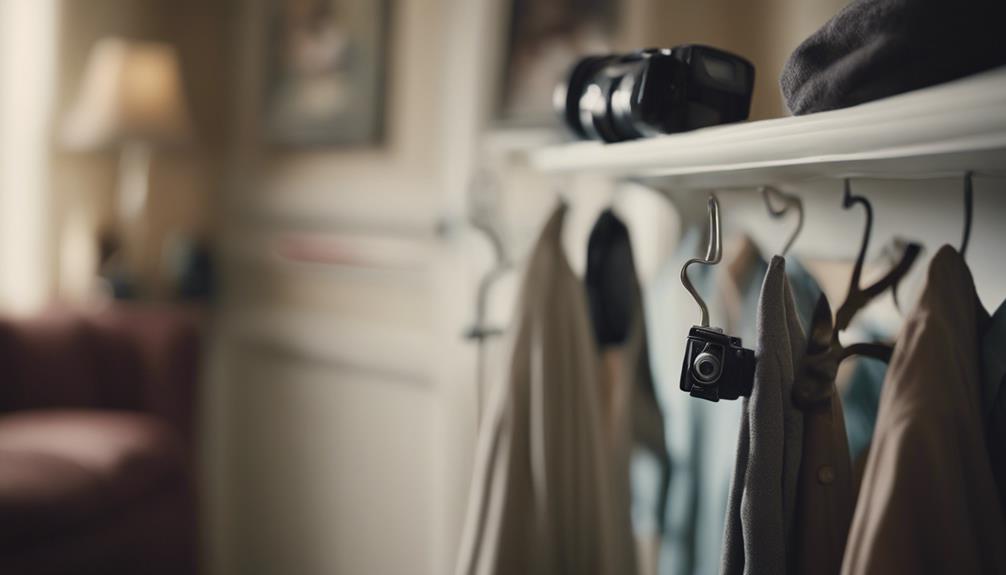

A clothes hook camera can look like an ordinary wall hook while providing a view of a room or entryway. That compact design may be useful for checking on a property, a pet, or an important area of the home. However, discreet does not mean unrestricted. Before using one, consider consent, local surveillance laws, audio-recording rules, and the privacy expectations of anyone who may be recorded.
1. Monitor an Entryway or Shared Area at Home
Placed in a suitable location, a clothes hook camera can help you check an entrance, hallway, or another shared area while you are away. Recorded footage may help you review an unexpected visit, confirm that a delivery arrived, or identify activity around a vulnerable access point.
Use the camera only where people do not reasonably expect privacy. Bedrooms, bathrooms, changing areas, and similar spaces are inappropriate locations. Secure the device, limit access to recordings, and use a strong password if the camera connects to a network. If audio is enabled, check the rules in your area before recording conversations; audio surveillance is often subject to stricter requirements than video.
2. Check on Pets When You Are Away
A clothes hook camera can also function as a simple pet-monitoring device when positioned toward a room where your animal spends time. It may let you observe routines, check whether a pet is resting comfortably, or see whether it is showing signs of distress after you leave.
Keep expectations realistic. A camera provides observation, not hands-on care, and it should not replace veterinary attention or a trusted person who can respond to an emergency. Avoid placing it where the device could be knocked down, chewed, or exposed to water. If other people regularly enter the space, let them know that monitoring is taking place.
3. Use It for Childcare Oversight Responsibly
Some parents consider a small camera for checking on a child’s room or observing interactions with a caregiver. This can provide useful information when concerns arise, but covertly recording a nanny or babysitter may create serious legal and ethical problems.
Before installation, explain what is being recorded, where the camera is located, whether audio is active, how long footage will be retained, and who can view it. Never use a camera in a bathroom, changing area, or other private space. Written notice or consent may be required depending on local law, particularly when audio recording is involved.
4. Support Safety Checks for an Older Family Member
A camera in a shared living area can help family members check whether an older relative appears safe when they cannot visit in person. It may be useful for noticing unusual inactivity, checking a doorway, or confirming that a family member has returned home.
Discuss the arrangement openly and agree on its purpose, viewing permissions, and recording settings. A clothes hook camera is not a substitute for a medical alert system, personal emergency response service, or regular care visits. Features such as motion detection, fall detection, or emergency alerts should be treated as optional tools only when the specific device genuinely supports them; they should never be assumed or relied on as the sole safeguard.
5. Improve Security at an Office or Rental Property
In an office, a visible and properly disclosed camera may help monitor an entrance, supply area, or other shared space. It can support investigations into unauthorized access or missing equipment, but it should not be used as a secret productivity-tracking tool. Employers should establish a clear surveillance policy, notify workers, restrict access to footage, and follow employment and privacy requirements.
Rental-property use requires particular care. Hosts should follow applicable laws and the rules of the booking service, disclose any permitted cameras before guests arrive, and explain their location and purpose. Cameras should never be placed in bedrooms, bathrooms, or other areas where guests expect privacy. In many situations, indoor surveillance is restricted or prohibited even when the property owner wants additional security.
Before You Install a Clothes Hook Camera
- Check local laws governing video, audio, consent, and workplace or rental surveillance.
- Tell household members, workers, guests, caregivers, and visitors when notice or consent is required.
- Keep cameras out of private spaces and frame only the area that needs monitoring.
- Disable audio unless it is lawful and genuinely necessary.
- Protect footage with strong account credentials, limited permissions, and sensible retention periods.
- Do not present the camera as a replacement for emergency, medical, childcare, or security services.
Final Considerations
A clothes hook camera can be a practical monitoring tool for entryways, pets, family safety, offices, and certain rental-property security needs. Its small size may make placement convenient, but responsible use matters more than discreet appearance. Clear notice, appropriate placement, secure handling of recordings, and compliance with local rules help ensure that the device improves safety without unnecessarily invading someone’s privacy.