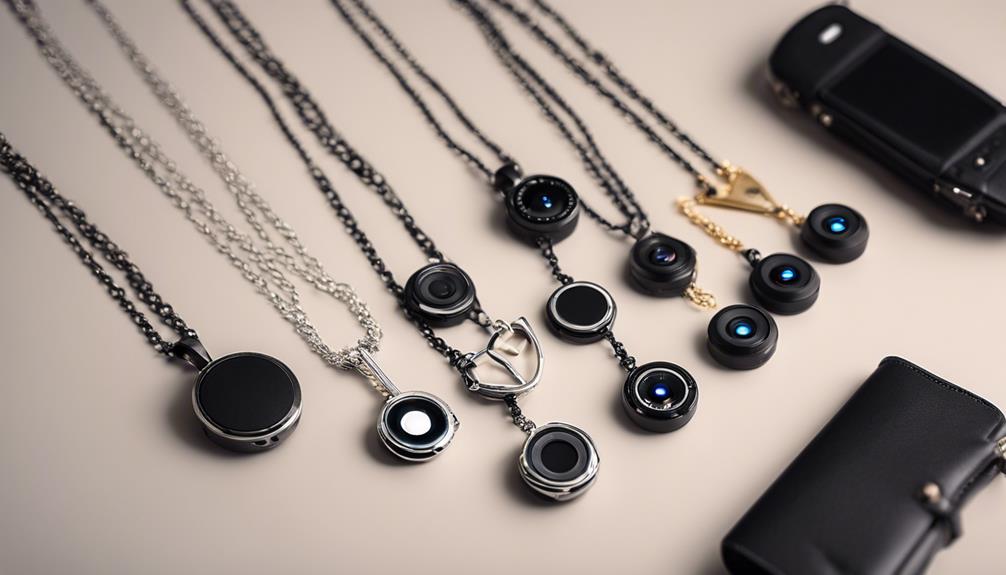

An audio-video spy camera necklace combines wearable design with recording hardware in a compact accessory. If you are considering one for a lawful purpose, the most important choice is not appearance alone but how well the device balances video quality, audio performance, controls, battery life, and responsible use.
Because product specifications can vary widely, use the following five features as a practical checklist rather than assuming every necklace offers the same performance.
1. A Discreet, Comfortable Design
A necklace-style camera should look and feel like an ordinary accessory. A bulky pendant, exposed lens, or uncomfortable chain may make the device impractical for everyday wear. Look for a lightweight design that sits securely, does not interfere with normal movement, and works with the clothing you typically wear.
Style is useful for comfort and convenience, but it should never be used to record people secretly where they have a reasonable expectation of privacy. Before using a wearable camera, check the rules that apply in your location and obtain consent whenever recording laws or circumstances require it.
2. Clear Video Recording
Video resolution is only one part of recording quality. A camera may advertise high-definition video, yet the final footage can still be difficult to use if the lens performs poorly in low light or the device struggles with movement. When comparing models, review the stated resolution along with:
- Field of view and whether the lens captures the area you need
- Performance in indoor or low-light settings
- Image stability during ordinary movement
- Video file format and compatibility with your computer or phone
- Storage capacity and whether a memory card is required
For personal documentation or security-related recording, footage that is properly framed and easy to transfer may be more useful than a higher resolution number alone.
3. Reliable Audio and Recording Indicators
Audio can add important context to a video, but microphone quality varies considerably in small wearable devices. Check whether the product provides clear sound in the environments where it will be used and whether the microphone is likely to be affected by clothing, wind, or surrounding noise.
Also consider how recording status is communicated. Some devices use buttons, lights, vibration, or on-screen indicators. The controls should make it clear when recording has started or stopped without requiring complicated steps. Audio recording is subject to additional privacy and consent laws in many places, so use this feature only in circumstances where it is lawful and appropriate.
4. Simple Controls and File Management
Wearable cameras are most useful when their controls are easy to understand. Look for clearly marked buttons, straightforward recording modes, and instructions that explain how to save, transfer, and delete files. A reliable device should also make it possible to review recordings without requiring specialist software.
Features such as remote control or voice activation may appear convenient, but they should not be treated as essential. They can add complexity, use more power, or be unavailable in some versions. Prioritize dependable start-and-stop controls, secure file access, and a clear connection method over a long list of extra functions.
5. Battery Life That Matches Your Use
Battery capacity determines how long the necklace can operate before recharging. Recording video and audio can consume power quickly, particularly when the camera includes additional wireless features. Compare the manufacturer’s stated recording time with your expected use, and check how long a full recharge takes.
It is also worth confirming whether the battery is rechargeable, replaceable, or built in. A low-battery warning, automatic file saving, and protection against corrupted recordings can be valuable if the device powers down during use.
Choose Responsible, Lawful Uses
An audio-video camera necklace may be suitable for openly documented activities, personal safety situations where recording is lawful, or other purposes supported by local rules and informed consent. It should not be used to invade someone’s privacy, record private conversations without permission, or capture footage in restricted places.
The best choice is a comfortable, clearly documented device with dependable recording quality and controls that match your needs. Treat design, video, audio, usability, and battery performance as five separate checks, then verify the legal requirements before recording.