
Spy camera GIFs can make surveillance technology easy to understand at a glance. By showing how a camera is concealed, activated, or moved, they illustrate the design choices behind discreet monitoring devices. The examples below include cameras hidden in familiar objects, aerial systems, wearable equipment, and motion-activated security products.
These technologies may have legitimate uses, such as protecting property, documenting professional activity, or supporting an authorized investigation. However, recording people without their knowledge can create serious privacy and legal concerns. Always follow local rules, obtain consent where required, and avoid placing recording devices in private spaces.
1. Mini Camera Hidden in a Pen
A pen camera demonstrates how a small recording device can be built into an object people use every day. Its ordinary appearance allows it to blend into an office, meeting room, or personal workspace more easily than a conventional camera.
Depending on the device, features may include video and audio recording, a rechargeable battery, motion activation, or wireless access to footage. Motion detection can reduce unnecessary recording by starting the camera only when activity is noticed. Wireless models may also support remote viewing, although any live recording should be used only with proper authorization.
2. Surveillance Drone from Above
A surveillance drone offers a very different perspective. Instead of concealing a camera inside an everyday object, it carries the camera through the air to provide an elevated view of a location. A GIF showing a drone in flight can highlight its mobility, changing viewpoint, and ability to cover a broad area.
Drones may be used for authorized tasks such as inspecting difficult-to-reach places, supporting search and rescue, or monitoring large areas. Their use can be restricted by aviation, property, and privacy regulations. Operators should respect no-fly rules, avoid intrusive filming, and understand that an aerial view does not remove the privacy rights of people on the ground.
3. Clock-Style Hidden Camera
A clock-style camera is designed to resemble ordinary household equipment. Because clocks are common in homes and workplaces, this type of device can be less visually noticeable than a standalone camera.
The main concept is simple: the camera is placed behind or within the clock’s housing while the object continues to look functional. This design may be useful for visible, disclosed security monitoring when the device is clearly permitted. Using it to record private conversations, bedrooms, bathrooms, or guests without consent can be unlawful and unethical.
4. Body-Worn Camera
Body-worn cameras provide a mobile recording option. Attached to clothing or equipment, they move with the wearer and can document an interaction from the user’s perspective. Their portability makes them relevant to security work, field inspections, and other situations where a fixed camera would not be practical.
Wearable recording also requires careful handling. Audio and video may capture bystanders, confidential information, or private conversations. Clear policies should address when recording begins, how people are notified, where files are stored, and who may access them. Local consent and recording laws vary, so legal guidance may be necessary before use.
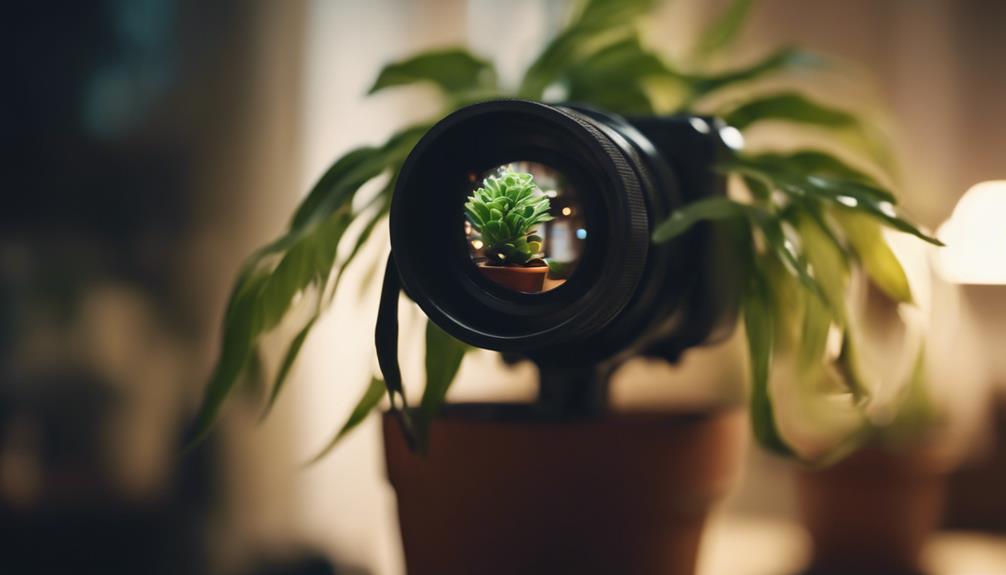
5. Motion-Detection Plant Pot Camera
A plant pot camera uses a familiar decorative object to house a security camera. A motion sensor can activate recording when movement occurs, helping conserve battery power and storage compared with continuous recording.
This design may suit authorized monitoring of an entrance, garden, or other area where people have been informed of surveillance. Its effectiveness depends on factors such as camera placement, lighting, power, storage, and the sensitivity of the motion detector. The plant pot should not be used to secretly monitor private areas or unsuspecting individuals.
What These Spy Camera GIFs Illustrate
Together, these five examples show the main approaches used in discreet surveillance design: concealment, mobility, remote viewing, and event-based recording. They also underline an important point: technical capability does not automatically make a use appropriate.
Whether a camera is hidden in a pen, mounted on a drone, built into a clock, worn on clothing, or disguised as a plant pot, responsible use matters. Choose transparent security practices whenever possible, secure recorded footage, and verify the legal requirements before capturing audio or video.