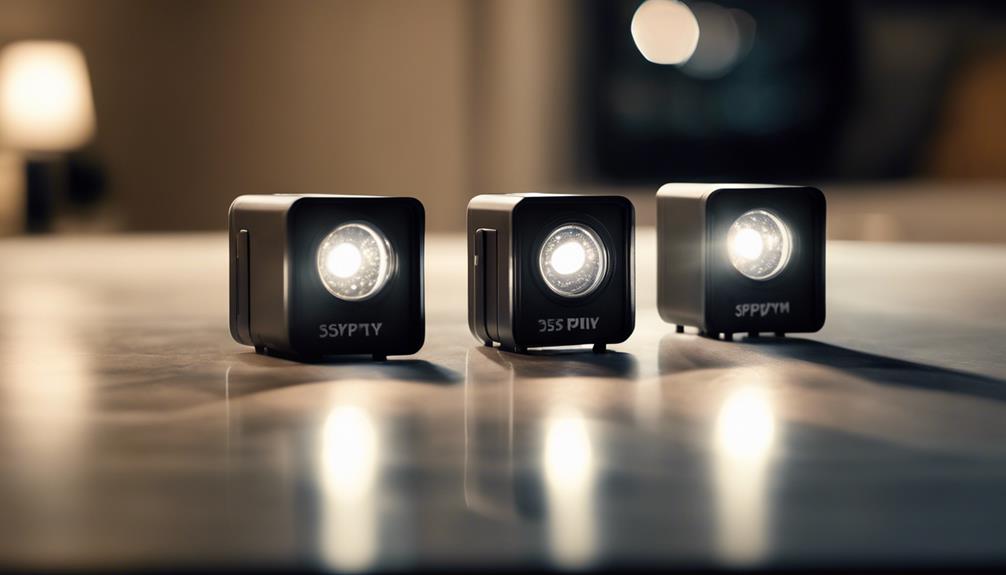

A camera built into a night light can combine everyday lighting with discreet home monitoring. These devices may be useful for checking on an entryway, nursery, pet area, or another suitable space while you are away. However, not every model offers the same image quality, alert controls, or storage options.
Rather than choosing based on appearance alone, compare the features that affect how reliably the device records activity and how easily you can review it. Here are five important areas to consider when evaluating a spy camera night light for home security.
1. Video quality and low-light performance
Clear footage is one of the most important reasons to use a camera night light. Look for a model that produces sufficiently detailed video for the area you want to monitor and that performs well when the room is dim.
Infrared night vision can help the camera capture activity in darkness, while a suitable viewing angle can reduce blind spots. Consider where the light will be placed and whether the camera will be aimed at a doorway, a wider room, or a specific area. A high-resolution specification is useful, but practical coverage and nighttime clarity matter just as much.
- Check the stated video resolution and frame quality.
- Look for infrared or another clearly described low-light mode.
- Choose a viewing angle that suits the room rather than assuming wider is always better.
2. Motion detection and useful alerts
Motion detection can help the camera record activity instead of filling its storage with hours of uneventful footage. When movement is detected, some devices can send an alert to a connected phone or app, allowing you to check the live view or recorded clip.
Alert settings are particularly important in rooms where pets, curtains, or changing light may trigger movement. Adjustable sensitivity, activity zones, and notification controls can make monitoring less distracting. If the device offers recording schedules, use them to match the periods when monitoring is actually needed.
Also review how alerts are delivered and whether the camera continues recording when an internet connection is interrupted. These details affect how dependable the system is in everyday use.
3. Installation, controls, and smart-home compatibility
A discreet design is only helpful if the device can be positioned correctly and operated without difficulty. Look for straightforward installation instructions, accessible controls, and an app or interface that makes it easy to view footage and change settings.
Useful controls may include light brightness, recording behavior, motion sensitivity, and notification preferences. If you already use other smart-home equipment, check whether the camera night light is compatible with the platforms or devices you rely on. Compatibility should be confirmed before purchase rather than assumed from general smart-home language.
Pay attention to power requirements as well. A continuously powered night light may be convenient for fixed monitoring, while a device with different power arrangements may be easier to place elsewhere.
4. Remote viewing and two-way audio
Remote viewing allows you to check the camera feed from a phone or computer when you are not at home. A live view can be useful for checking a room, while recorded clips provide a way to review an event after a motion alert.
Two-way audio adds the option to listen and speak through the device. This may be convenient for communicating with someone in the room or reassuring a pet, but audio recording can raise additional privacy concerns. Make sure you understand when the microphone is active and whether audio can be disabled independently from video.
Before relying on remote access, test the connection from outside your home network and confirm how the device protects account access. Strong, unique account credentials and available security settings are important for any internet-connected camera.
5. Storage, privacy, and responsible placement
Recorded video needs somewhere to go. Depending on the design, storage may involve a memory card, a connected device, or an online service. Compare the available capacity, recording limits, playback process, and any ongoing service requirements before making a decision.
Privacy should guide both your purchase and your installation. Place the camera only where monitoring is appropriate, avoid private areas, and tell household members or visitors when recording is taking place where consent is required. Rules about recording video or audio can vary by location, so check the requirements that apply to you.
Choose a visible, sensible position that provides useful coverage without aiming into a neighbor’s property or an area where people reasonably expect privacy. Review stored footage regularly and remove recordings you no longer need.
Final considerations
The best spy camera night light for your home is not necessarily the one with the longest feature list. Prioritize clear low-light footage, dependable motion alerts, simple controls, secure remote access, and storage that matches your needs. A careful setup and privacy-conscious placement are just as important as the camera’s specifications.