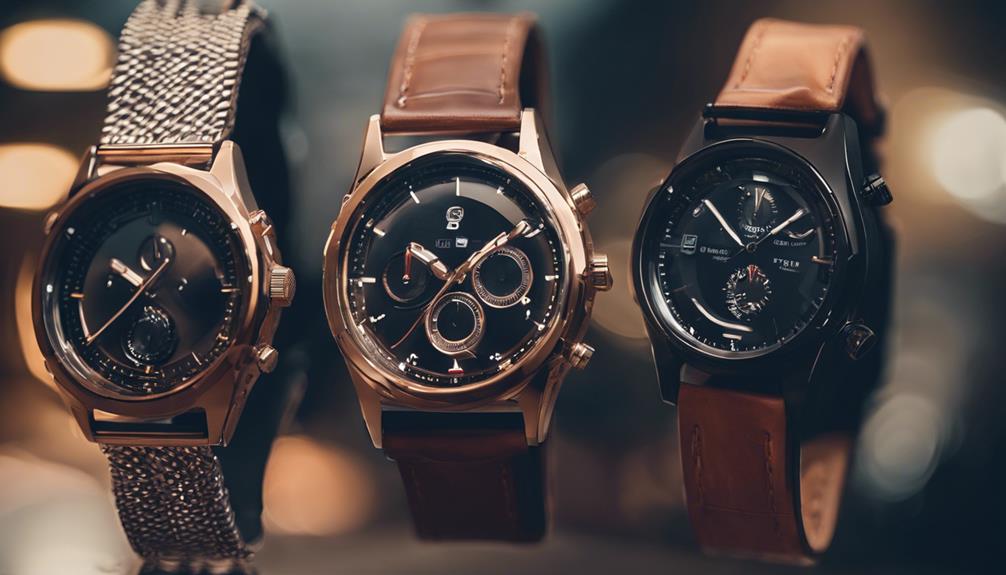

Spy watches with hidden cameras combine the appearance of an ordinary wristwatch with discreet video-recording hardware. Because the legacy description does not identify specific brands or models, the most useful way to compare the top three options is by looking at the features that matter most: recording quality and design, connectivity and battery life, and low-light or motion-based monitoring.
These devices may be useful for lawful documentation, personal security, or situations where a conventional camera would be impractical. However, hidden recording can create serious privacy concerns. Always follow applicable laws and obtain consent where required before recording people or private spaces.
1. Sleek Design and High-Resolution Recording
The first consideration is how naturally the camera is integrated into the watch. A bulky case, unusual lens placement, or awkward controls can make the device conspicuous and uncomfortable to wear. A better-designed watch keeps the camera discreet while remaining practical as a wearable accessory.
Recording quality is just as important as appearance. Higher-resolution video can preserve more visible detail, which is helpful when reviewing footage later. Before choosing a model, check how recording is started, where the lens is positioned, and whether the watch captures video, still images, or both.
- Camera placement: The lens should have a clear view without being blocked by the watch strap or wrist position.
- Image quality: Look for clear footage rather than relying only on broad claims about “high resolution.”
- Controls: Recording should be straightforward, with feedback that does not require constant attention.
- Comfort: A wearable device is more useful when its size and weight are suitable for extended use.
2. Wireless Connectivity and Battery Life
Wireless connectivity can make transferring or reviewing recorded footage more convenient. Some devices may support access through a smartphone or computer, while others rely on local storage and require the watch to be connected directly for file transfer. The supplied specifications should clearly explain what type of connection is available and whether remote viewing is supported.
Battery performance is another essential factor. Recording video, maintaining a wireless connection, and using other camera features can reduce operating time. “Long battery life” is not a universal standard, so compare the stated recording duration with how you expect to use the watch. Also check charging time, charging method, and whether recording continues while the device is connected to a charger.
3. Night Vision and Motion Detection
Night vision can extend a camera’s usefulness in dim environments, but it should not be treated as a guarantee of bright, detailed footage in complete darkness. Image quality depends on the camera, available light, and the specific design of the watch. If low-light recording is important, review sample footage when available and confirm whether night vision is built in or requires a separate setting.
Motion detection is intended to begin recording or provide an alert when movement is detected. This can help reduce unnecessary recording and conserve storage or battery power. Its usefulness depends on detection range, sensitivity, and the way alerts are delivered. A feature labelled “motion detection” may not provide the same results across different devices.
How to Choose Among the Top Three Options
Start with your legitimate use case. If you mainly need ordinary daytime recording, prioritize camera placement, image quality, and comfortable design. For longer monitoring sessions, battery performance and storage are likely to matter more. If the device will be used in changing lighting conditions, investigate its low-light performance and motion-detection controls.
Before buying, verify the complete specifications, included accessories, storage requirements, compatibility with your phone or computer, and warranty or return terms. Most importantly, use any hidden-camera watch responsibly. Do not record in places where people reasonably expect privacy, and do not use covert recording to harass, deceive, or monitor someone without lawful justification.