
Choosing a discreet camera requires more than comparing resolution numbers. Spy lens cameras differ significantly in image quality, power options, storage, connectivity, reliability, and ease of use. Reviews and complaints can help reveal how these products perform outside the marketing material, especially when users report recurring problems with battery life, mobile apps, or unclear product descriptions.
This guide explains what to assess before buying a spy lens camera, how to interpret customer feedback, and which legal and privacy issues should shape your decision. Any use should comply with local law and respect the privacy and consent of the people being recorded.
How spy lens cameras work
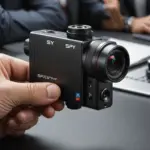
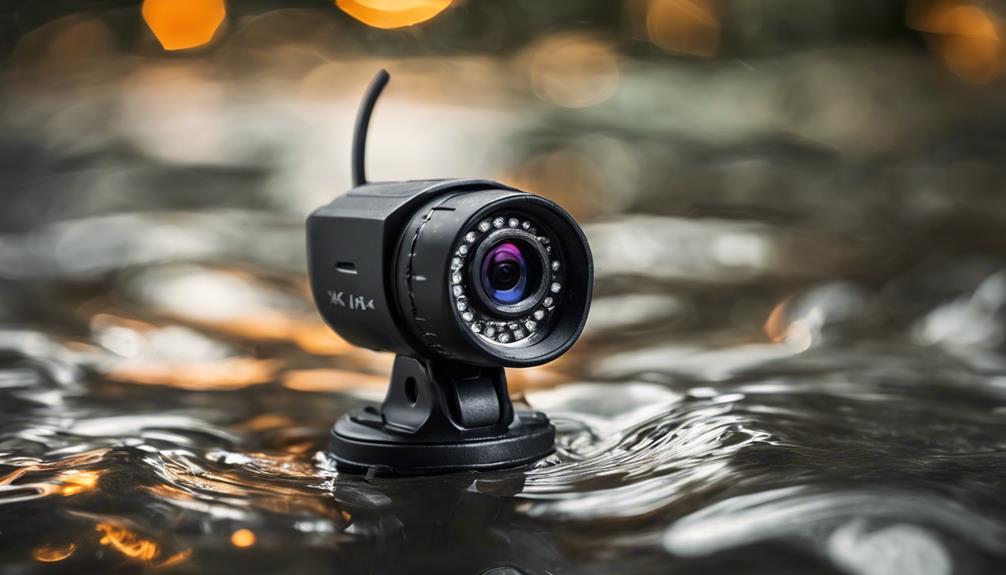
A spy lens camera is a compact camera hidden in a small housing or incorporated into an everyday object. Depending on the model, it may record video to a microSD card, transmit footage over Wi-Fi, or provide remote access through a smartphone application or cloud service. Some devices also advertise motion detection, night vision, scheduled recording, and two-way audio.
The small size comes with compromises. A miniature lens and sensor may produce less detail in dim lighting than a conventional security camera. Narrow viewing angles, limited microphone quality, heat buildup, and restricted battery capacity are also common considerations. A discreet design is useful only if the camera can capture the area you need reliably.
Features worth comparing
Image quality and field of view
Resolution ratings such as 720p or 1080p provide only part of the picture. Sensor quality, lens clarity, exposure handling, and low-light performance affect whether footage is genuinely useful. Look for sample footage recorded in conditions similar to your intended location, rather than relying solely on promotional images. Check whether the viewing angle covers the required area without excessive distortion.
Power and recording time
Battery life is one of the most frequent sources of dissatisfaction. Continuous video recording can drain a small battery quickly, while motion-triggered recording or scheduled capture may last longer. If the camera will remain in one place, a USB power option may be more practical than a rechargeable-only design. Confirm whether the device can record while charging and whether its power cable affects placement or concealment.
Storage and connectivity
Local microSD storage can provide access to recordings when an internet connection is unavailable. Wi-Fi streaming and remote viewing add convenience but depend on signal strength, router compatibility, and the quality of the companion app. Review the storage limits, overwrite behavior, notification settings, and account requirements before purchasing.
Security should also be part of the comparison. Use strong, unique account credentials, keep firmware and applications updated when updates are available, and avoid exposing a camera directly to the internet unless the manufacturer provides appropriate safeguards. Sensitive footage should be stored and shared carefully.
Common complaints and what they may indicate
- Unreliable connections: Dropouts may result from a weak Wi-Fi signal, an unstable application, or compatibility issues. Test the camera in its intended location before depending on remote viewing.
- Short battery life: Small cameras cannot usually provide unlimited continuous recording. Motion detection, scheduled recording, external power, or a spare battery may better suit the installation.
- Misleading specifications: A high resolution label does not guarantee clear footage at night or at a distance. Give greater weight to consistent independent testing and customer examples.
- Corrupted or missing files: Incompatible or poor-quality memory cards, interrupted power, and software errors can affect recordings. Check the supported card type and test saved footage regularly.
- Overheating or difficult setup: A compact enclosure may have limited ventilation, and some products require complicated app configuration. Recurring complaints across multiple reviews deserve careful attention.
Legal and privacy responsibilities
Covert recording is subject to different rules depending on your location and the circumstances. Audio recording may require consent, and recording in places where people reasonably expect privacy—such as bathrooms, changing areas, or bedrooms—can create serious legal and ethical problems. Rules may also differ between a private residence, a workplace, and a public area.
Before using any camera, confirm the applicable requirements for video, audio, notice, consent, and data storage. Use cameras only for legitimate purposes, such as protecting property or monitoring an area where recording is permitted. Do not use a device to harass, stalk, intimidate, or secretly observe people in private settings.
How to judge reviews and complaints
Professional reviews may offer structured testing, while customer feedback often reveals everyday reliability, delivery problems, support quality, and long-term battery performance. Look for patterns rather than treating one enthusiastic or negative review as conclusive. Repeated reports of overheating, failed notifications, unusable night footage, or missing recordings are more meaningful than an isolated complaint.
Also consider when a review was written. Application or firmware problems may change over time, although older complaints can still reveal hardware limitations. Finally, check the return policy, warranty terms, replacement process, and availability of customer support. These details matter when a discreet camera does not perform as expected.
Making a sensible choice
The best spy lens camera is not necessarily the smallest or the one with the highest advertised resolution. Match the device to the lawful purpose, available power, lighting conditions, required viewing area, and storage preference. Read a range of reviews, test the equipment in its real environment, and treat privacy compliance as a basic purchasing requirement rather than an afterthought.