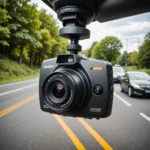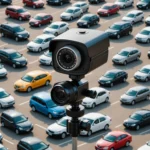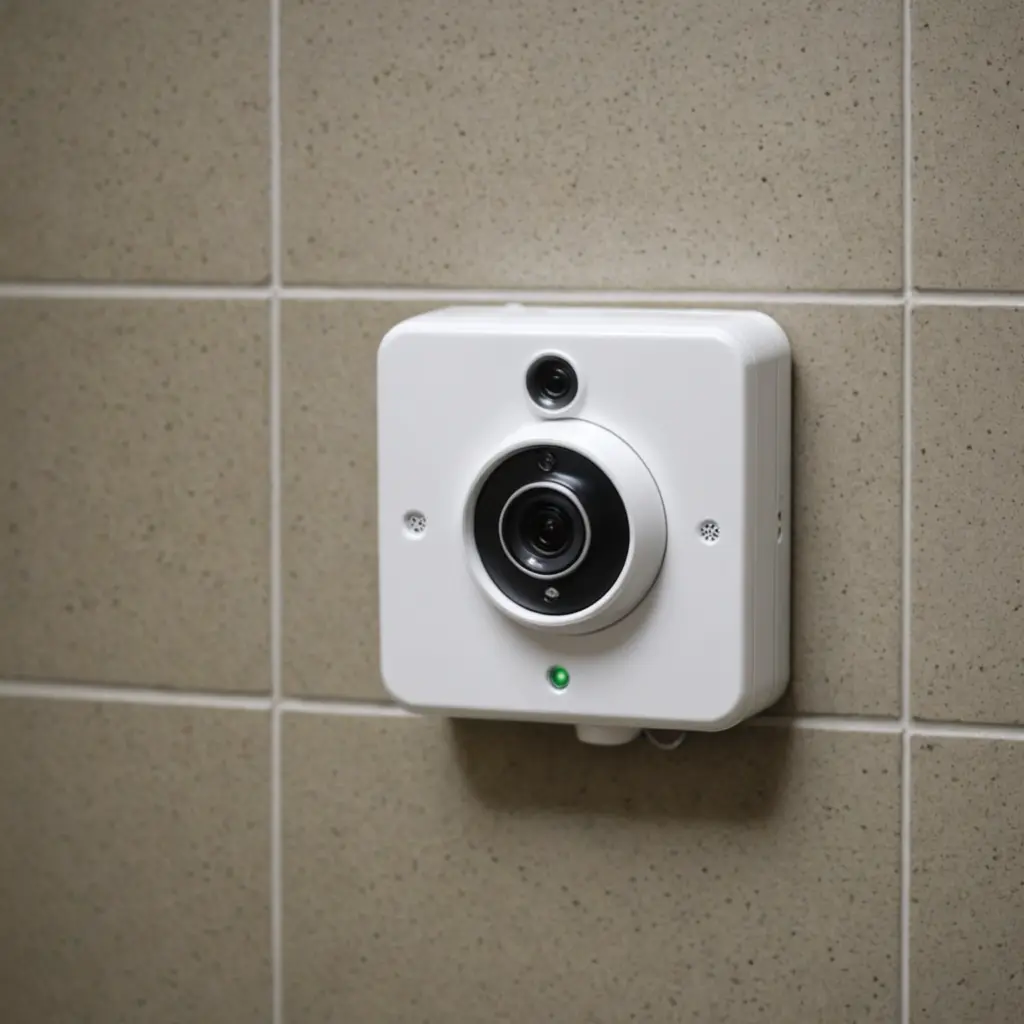

Finding the right security camera during a sale can feel like striking gold—especially for shoppers interested in covert or compact devices that blend into everyday environments. Whether you are comparing tiny spy cameras for discreet monitoring or conventional cameras for visible home security, a well-timed Security Camera Sale makes it possible to upgrade technology without overspending. This article walks through practical considerations for general spy camera purchases, how to spot a genuine security camera deal, legal and ethical concerns, and tips for installation and ongoing use. During a security camera sale, consider discreet surveillance purchases to outfit unobtrusive monitoring in multiple locations.
Why a Security Camera Sale Is a Good Opportunity
Sales and promotions allow buyers to access features that would otherwise be outside their budget. When manufacturers or retailers discount cameras, you can consider models with higher resolution, improved low-light performance, or advanced connectivity features. For people focused on general spy camera purchases, a security camera deal can mean the difference between buying a basic unit and investing in a model with motion detection, encrypted storage, and versatile mounting options. Timing a purchase around a sale gives you more room to prioritize quality and reliability rather than settling for the cheapest available device.
How to Evaluate a Security Camera Deal
Not every promotion is a real bargain. To assess whether a security camera sale is worthwhile, start by verifying baseline specifications: video resolution, field of view, night vision capability, and whether the device supports continuous or event-based recording. For spy-style cameras, battery life and stealth features such as small form factor and inconspicuous housings are crucial. Look beyond the headline price and check for hidden costs like subscription fees for cloud storage or recurring app charges. Warranty terms and return policies are equally important—choose sellers who clearly state support options in case your device fails or doesn’t meet expectations.
Practical Use Cases for Spy Cameras
Spy cameras serve several legitimate purposes when used responsibly. Small, hidden cameras are useful for monitoring a nanny or caregiver in your home, protecting property in rental units, documenting instances of theft in small businesses, or keeping an eye on elderly relatives who may be at risk. They can be particularly effective when combined with visible deterrent cameras as part of a layered home security approach. For apartment dwellers or short-term renters, compact cameras that attach to shelves or plug into everyday objects allow discreet monitoring without permanent installation. Always ensure that any monitoring respects privacy laws and the rights of others to avoid legal repercussions.
Legal and Ethical Considerations
Before completing a purchase during a security camera sale, consider the legal framework in your jurisdiction. Many regions have strict rules about recording audio or video in private spaces, especially where people have an expectation of privacy such as bathrooms, locker rooms, or private bedrooms. Even when devices are marketed as spy cameras, sellers sometimes omit guidance about lawful use. Use your purchase responsibly: inform households or employees when required, avoid placing cameras in prohibited zones, and consult local regulations if you plan to use recordings for evidence. Ethical use not only protects others but also shields you from civil or criminal liability. Explore our home protection deals for discounted system bundles alongside the ongoing security camera sale today.
Installation Tips for General Spy Camera Purchases
Installing a spy camera effectively requires planning. Begin by identifying the most valuable angles for coverage—entry points, common walkways, and areas where valuables are stored. Concealment is key for covert devices, so choose housings and placements that match the surroundings. Ensure the device has a reliable power source: some spy cameras rely on batteries, while others need continuous power or USB charging. For models with Wi-Fi, test signal strength at the intended spot to avoid dead zones. Secure the camera using brackets, double-sided adhesive, or by integrating it into everyday objects. Finally, configure motion sensitivity and notification settings to reduce false alarms and conserve battery life.
After the Sale: Maintenance and Security Best Practices
After taking advantage of a security camera sale, maintaining your device is essential for long-term effectiveness. Regularly update firmware and mobile apps to patch vulnerabilities, change default passwords to strong, unique credentials, and consider two-factor authentication where available. For storage, weigh the pros and cons of local versus cloud retention: local microSD storage avoids monthly fees but may be lost if the device is stolen, while cloud storage provides offsite backups but often requires a subscription. Periodically review recorded footage and logs, and test cameras to ensure they are correctly positioned and functioning. Good maintenance extends the life of your investment and preserves the integrity of any footage you rely upon.
Choosing a camera during a Security Camera Sale can be a smart way to improve your monitoring capabilities while staying within budget. By carefully evaluating deals, understanding legal responsibilities, and following installation and maintenance best practices, buyers can make informed decisions that meet both security needs and ethical standards. Whether you are making your first general spy camera purchase or expanding an existing system, prioritize transparency, quality, and responsible use to get the most from your sale purchase.