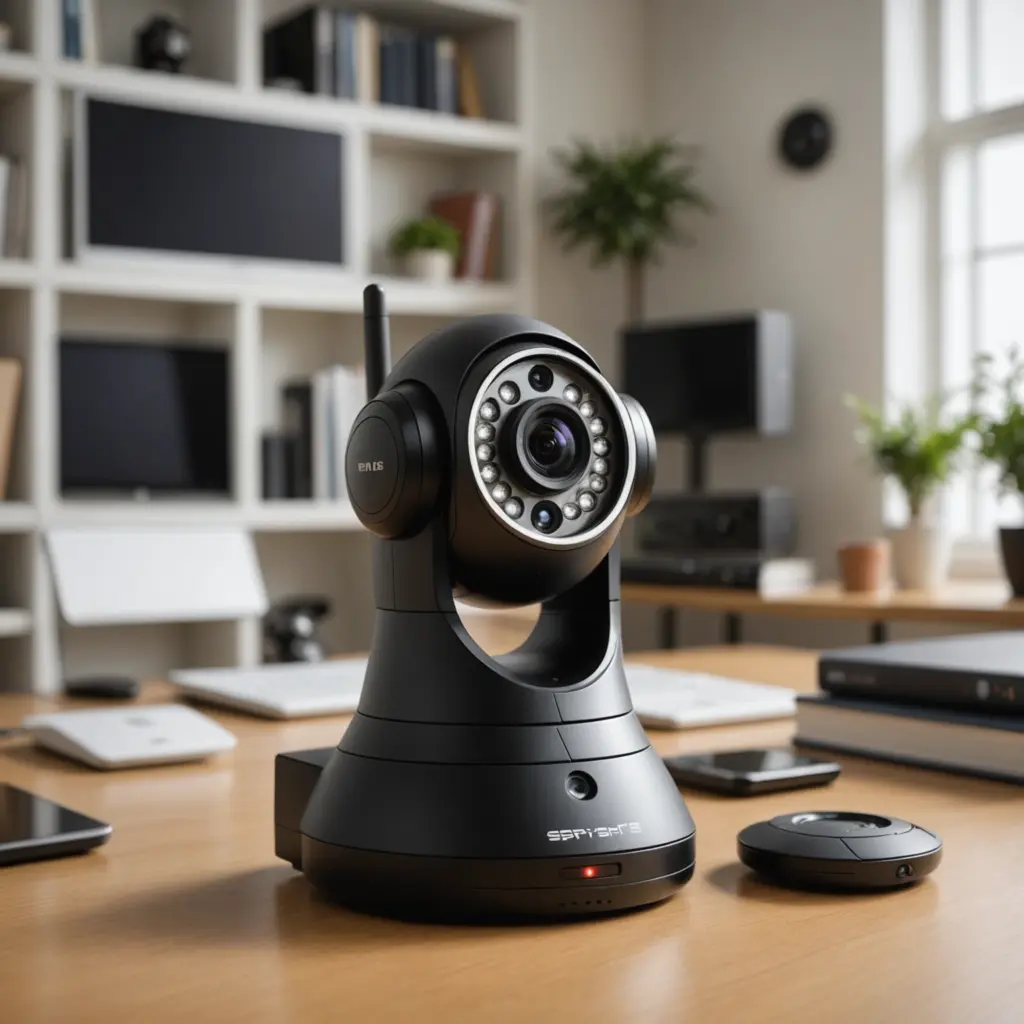

A portable mini camera can provide flexible video coverage without the bulk of a conventional security system. Its compact size makes it useful for temporary home monitoring, travel, pet observation, and other situations where a larger camera would be impractical. The best choice depends less on appearance or marketing language and more on how, where, and for how long you plan to use it.
Why use a portable mini camera?
Portability is the main advantage. A small camera can be moved between rooms, packed for travel, or positioned in a confined area. Some models are designed for discreet placement, while others are intended to sit openly on a shelf, desk, or other surface.
Depending on the model, useful functions may include motion-triggered recording, night vision, loop recording, wireless viewing, and local storage. These features can make a miniature camera practical for short-term monitoring or as a temporary addition to an existing security setup.
Features worth comparing
Mini cameras vary considerably in image quality, operating time, and reliability. Compare the following specifications before choosing one:
- Resolution: A 720p camera may be sufficient for basic observation, while 1080p or higher can provide more detail. Resolution alone does not guarantee good footage, so look for sample recordings when available.
- Battery life: Battery-powered models are convenient but may only operate for a limited period between charges. If the camera needs to run for extended periods, check whether it supports USB power or an external battery.
- Storage: Some cameras record to a microSD card, while others can upload footage through a network connection. Check whether storage is included and whether the camera supports loop recording.
- Motion detection: Motion-triggered recording can reduce unnecessary footage and conserve both battery power and storage space.
- Low-light performance: If the camera will be used indoors at night or in dim areas, examine its night-vision capability rather than relying only on daytime specifications.
- Connectivity: Wi-Fi models may allow live viewing from a phone, but they require secure setup and a dependable connection.
- Construction and support: Build quality, clear instructions, warranty coverage, and firmware support can distinguish a dependable product from a cheap mini camera with limited long-term value.
Common uses for mini and micro HD cameras
A portable mini camera can be used for temporary home security, checking on pets, observing a room while away, or documenting travel. Its small footprint is also helpful when a full-size CCTV system would be excessive or difficult to install.
Some people choose a pocket-sized camera for personal equipment or luggage awareness while travelling. Others need a compact camera for professional or investigative work. In every case, the device should be used responsibly and in accordance with local privacy and recording laws. Do not place a camera where people reasonably expect privacy, and obtain consent when required.
Choosing between micro and miniature HD models
The terms micro HD camera, mini HD cam, and miniature HD camera are often used broadly. In practice, the smallest models usually prioritise size and discreet placement, while slightly larger designs may offer more room for a better battery, sensor, or additional controls.
Consider the intended position before deciding. A very small camera may fit inside a confined space, but a larger portable model could be easier to configure and may provide better battery performance. The lens must always have a clear view, and the camera should remain stable enough to avoid blurred or unusable footage.
Balancing price and performance
Searches for a CCTV mini camera price can produce a wide range of results. Low-cost cameras may work well for occasional or short-term monitoring, but budget models can compromise on image quality, low-light performance, battery capacity, software, or reliability.
Rather than choosing by price alone, make a shortlist based on your essential requirements. Compare recording resolution, operating time, storage method, connectivity, and user feedback. Established mini camera brands may offer stronger warranty support and more consistent software updates, while lesser-known products can be appealing when the budget is limited. Treat claims such as “HD” or “night vision” as starting points and verify the actual specifications.
Installation and security tips
Position the camera so the lens is unobstructed and the important area remains in view. Test the angle before relying on the device, particularly if motion detection is enabled. For longer recording sessions, use a suitable power source instead of depending entirely on the internal battery.
If the camera connects to Wi-Fi, change any default password, use a strong unique password, and keep the device’s software updated when updates are available. Review recorded footage and storage settings regularly so that important clips are not unexpectedly overwritten.
Make the choice fit the task
The right portable mini camera is the one that matches the environment and recording demands. Prioritise battery life for mobile use, storage and power options for continuous monitoring, and image quality for footage where detail matters. By comparing real specifications and practical performance instead of relying on labels alone, you can find a compact camera that is useful, secure, and appropriate for its intended purpose.