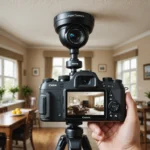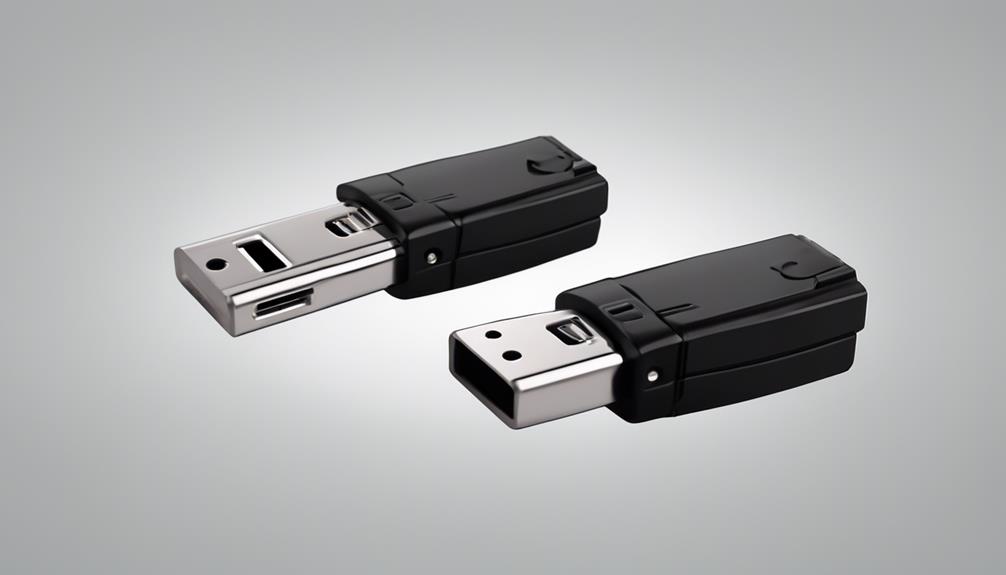

Deciding to install camera at home is a practical step toward improving safety, monitoring activity, and gaining peace of mind. Whether you are considering visible cameras for deterrence or hidden camera applications for discreet monitoring, a thoughtful approach to planning, placement, and legal considerations will make your security setup effective and respectful of privacy. This article walks through reasons to install cameras, how to plan an installation, the pros and cons of wireless systems, and best practices for smart security camera installation and surveillance camera installation. When you install a camera at home, consider discreet monitoring uses like nanny checks or asset protection.
Why install camera at home: benefits and common use cases
Home security cameras serve multiple purposes beyond simply recording footage. They deter potential intruders, provide evidence in case of theft or vandalism, and allow remote monitoring of children, elderly family members, or pets. Hidden camera applications are sometimes used to check on caregivers or to monitor areas where visible cameras would be counterproductive. For many homeowners, installing cameras reduces anxiety about package theft, verifies deliveries, and helps document unusual activity around the property. Understanding the specific use case will guide whether you need overt surveillance or a discreet approach.
Planning your camera installation: assessment and placement
Before installing cameras, conduct a simple security assessment of your home. Identify high-traffic entry points like front and back doors, ground-level windows, and common areas such as the living room or kitchen. For outdoor coverage, choose locations that capture driveways and walkways. Consider sight lines, potential obstructions, and lighting conditions at night. When evaluating hidden camera applications, be mindful of where discreet monitoring is truly necessary versus where visible cameras better serve as a deterrent. Planning placement carefully reduces blind spots and ensures that installing cameras yields usable footage when it matters most.
Wireless versus wired: choosing the right system
One of the first technical choices is between wired and wireless systems. Wireless camera installation is attractive because it typically requires less invasive setup and can be relocated more easily. Modern wireless security cameras often support battery power, two-way audio, and cloud storage, making them a flexible option for renters or for monitoring remote areas. However, Wi Fi connectivity and battery life can be limiting factors, and a weak signal may cause dropped footage.
Wired surveillance camera installation, including Power over Ethernet systems, delivers a stable connection and continuous power, which is critical for locations that need constant recording. Wired setups often require professional installation and may be more expensive upfront, but they tend to be more reliable for long term recording and higher quality streams. Many homeowners choose a hybrid approach: wired cameras for critical exterior points and wireless cameras inside for convenience. When planning smart security camera installation, factor in your home layout, internet bandwidth, and whether you need centralized recording versus cloud-only storage.
Hidden camera applications and legal considerations
Hidden cameras have legitimate uses, such as monitoring caregivers, detecting unauthorized access to restricted areas, or protecting children and elderly residents. However, these applications come with legal and ethical responsibilities. Laws vary by jurisdiction regarding where covert recording is permitted, particularly in spaces where individuals expect privacy like bathrooms, bedrooms, or changing areas. Before installing a hidden camera at home, research local statutes and consider informing household members or caregivers when appropriate. Ethical use also means securing the footage to prevent unauthorized access and avoiding intrusive monitoring that could harm trust among family members or tenants. When installing cameras at home, consider perimeter alarm options to strengthen your property’s exterior intrusion detection.
Practical tips for installing cameras successfully
When installing cameras, small details make a big difference. Aim cameras slightly downward from a higher vantage point to reduce blind spots and prevent tampering. For outdoor units, ensure they are weather rated and mounted out of easy reach. Test night vision performance by checking footage under low light and adjust lighting or camera placement as needed. For wireless security cameras installation, confirm your router can handle multiple connected devices and consider a dedicated network or range extenders to prevent interference. Use strong, unique passwords and enable two factor authentication when available to secure your system.
During smart security camera installation, consider the storage and management strategy. Cloud subscriptions simplify access from anywhere but involve recurring fees, while local storage via micro SD cards or network video recorders provides control without ongoing costs. Regularly update firmware to patch vulnerabilities, and label cameras in your monitoring app so you can quickly identify footage sources. If you require professional surveillance camera installation, choose a reputable installer who can advise on wiring, power management, and integration with alarms and smart home systems.
Final considerations before you begin
Installing cameras at home enhances safety but carries responsibilities. Balancing visible and hidden cameras according to purpose, staying mindful of legal restrictions, and prioritizing cybersecurity will help you create an effective, respectful monitoring system. Whether you pursue wireless camera installation for convenience or a more robust wired setup for continuous surveillance, planning and proper setup are the keys to success.
In conclusion, to install camera at home effectively, start with a clear assessment of your security needs, choose the appropriate technology for each location, and follow best practices for placement and privacy. Thoughtful deployment of both visible and hidden camera applications can protect your property and loved ones while maintaining trust and legal compliance.