
Surveillance devices are an increasingly common part of home and business protection strategies, and hidden camera applications have grown in both capability and controversy. From compact internet surveillance camera modules to full professional security cameras, the market offers a spectrum of video camera solutions that suit different needs. This article explains the types of devices available, practical use cases for hidden cameras, how to choose the right equipment for video surveillance, and important legal and privacy considerations. Exploring covert recording devices reveals practical applications for monitoring, evidence collection, and privacy-aware observation.
Understanding types of surveillance devices and hidden camera designs
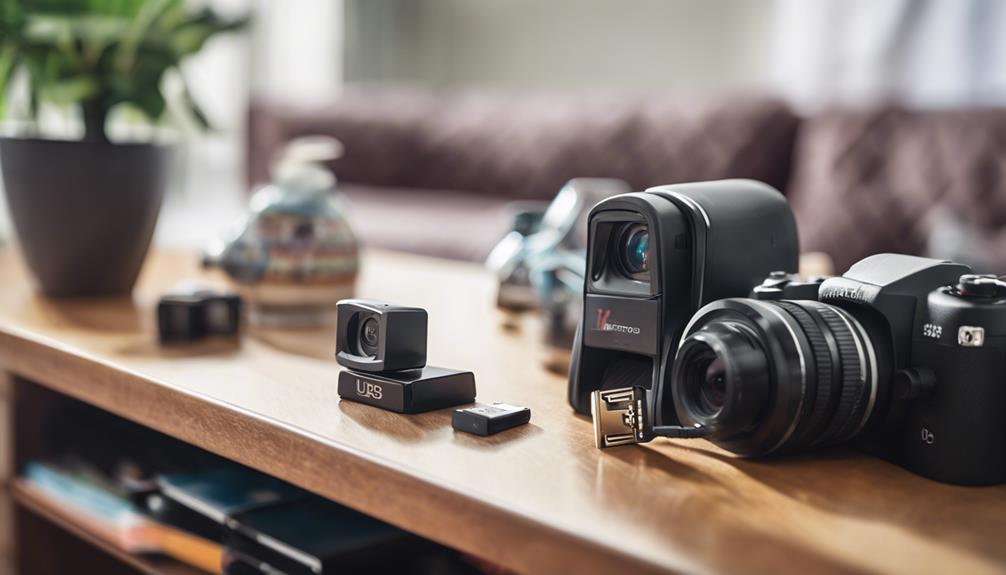
When people ask what do security cameras look like, the answer ranges from dome-shaped professional security cameras to tiny pinhole lenses embedded in everyday objects. Hidden camera applications often use camera devices disguised as smoke detectors, clocks, USB chargers, or picture frames so they can capture CCTV footage home owners or business managers need without drawing attention. A system for video surveillance and monitoring can include everything from a live view surveillance camera mounted on a wall to a portable home security camera that streams a live feed to a phone or PC.
For those seeking a dedicated setup, a camera kit system or video surveillance kit typically bundles cameras with a recorder and cabling or a cloud subscription. Consumers may also encounter specialized terms like pc surveillance camera or computer camera security when integrating a webcam for work from home camera monitoring. Whether labeled système de vidéosurveillance for French markets or kit de camaras de seguridad in Spanish-speaking regions, the core options are consistent: wired or wireless, visible or covert, and analog or IP-based such as the best IP cam models.
Choosing the right equipment for video surveillance
Selecting equipment for video surveillance depends on the intended application. For clear evidence capture and remote access, smart video surveillance systems and professional security cameras with high-resolution sensors and night vision perform best. Live feed security camera systems and internet surveillance cameras designed for remote monitoring will offer mobile apps, cloud storage, and live home camera streaming. Entry-level buyers may prefer a simple video monitoring system or video security company package that provides installation and support.
If concealment is essential, consider what the hidden camera will be placed inside and whether that item would commonly appear in the target environment. A TV surveillance camera built into a media device or a pc surveillance camera embedded in a monitor can be powerful in home office settings, while a portable home security camera disguised as an everyday object offers flexibility for temporary monitoring. Always evaluate the video surveillance kit features — field of view, resolution, loop recording, and motion detection — and compare options such as the best IP cam for online viewing versus an analog CCTV setup for continuous local recording.
Practical use cases for hidden camera applications
Hidden cameras have legitimate and practical uses when deployed responsibly. Parents use small live home camera units to monitor nurseries or babysitters, ensuring child safety while preserving a natural home environment. Homeowners often rely on hidden devices to document break-ins or to collect CCTV footage home insurance claims require. Business owners deploy discreet cameras for loss prevention, monitoring stock rooms or unsupervised cash points to deter theft without making employees uncomfortable by excessive visible surveillance.
Other use cases include remote caregiver monitoring, where family members set up a live view surveillance camera to check on elderly relatives and the quality of in-home care. In rental properties and shared living situations, limited and clearly disclosed camera monitoring can protect against property damage while maintaining tenant privacy. Even in the context of work from home camera monitoring, employers increasingly use computer camera security and monitoring solutions to verify equipment use and compliance, but these should be transparent and compliant with local labor and privacy laws. For businesses, a professional surveillance setup ensures devices integrate seamlessly during commercial security system installations.
Installation, privacy and legal considerations
Hidden camera deployments carry legal and ethical responsibilities. Laws vary widely: in many jurisdictions it is illegal to record audio or video in private areas such as bathrooms or locker rooms, and covert recording of individuals without consent can lead to criminal charges and civil liability. Before purchasing a video surveillance kit or consulting a video security company, check regional regulations and, where required, notify people that monitoring is in place. Transparency can be achieved by combining visible protection security cameras for deterrence with concealed cameras in limited areas for evidence gathering when permitted.
Privacy best practices also include securing video feeds and recorded footage. Use strong passwords, enable encryption where supported, and rely on trusted surveillance camera website resources or vendor documentation when configuring live feed security camera systems. For workplace settings, establish written policies explaining the scope of monitoring and retention periods for video footage so employees understand how data is used and protected.
Maintenance, monitoring and integrating modern features
Maintaining surveillance devices ensures reliable evidence and consistent monitoring. Regularly update firmware on internet surveillance cameras and smart video surveillance hubs to patch vulnerabilities. Test cameras periodically to confirm a clear angle and uninterrupted live feed. For homeowners who prefer a do-it-yourself approach, a simple video camera solutions routine includes verifying the motion detection sensitivity and reviewing recorded clips to avoid false positives triggered by pets or passing headlights.
Integration is becoming easier as manufacturers offer plug-and-play video monitoring systems compatible with smart home platforms. A camera kit system may support mobile push notifications, two-way audio, and cloud backups, while professional security cameras add analytics like facial recognition or heat mapping for advanced protection. Whether you are shopping for a basic pc surveillance camera or a comprehensive set of professional devices, prioritize reliable vendors and balanced functionality so your hidden camera applications solve problems without compromising legal or ethical standards.
In conclusion, surveillance devices and hidden camera applications can provide valuable protection and oversight when chosen and implemented responsibly. From portable home security camera options to full video monitoring systems, the right configuration depends on use case, legal context, and technical requirements. Focus on clear policies, proper installation, secure access, and periodic maintenance to ensure your video camera solutions serve their intended purpose while respecting privacy and complying with regulations.