
Choosing a camera with audio recording capability adds a powerful layer to modern surveillance systems, combining visual evidence with contextual sound. Whether you are evaluating devices for home security, considering office cameras with audio to protect assets, or exploring covert monitoring solutions, understanding how audio integrates with video is essential. This article explains the technical features, use cases, legal considerations, and practical installation tips for devices in the spy camera features & technology space. Explore how audio capabilities overview enhances covert camera design, functionality, and evidence quality in surveillance devices.
How a Camera With Audio Recording Works
A camera with audio recording typically combines a camera sensor and a microphone with onboard processing to capture synchronized streams. The microphone may be omnidirectional or directional, and its placement relative to the lens affects both fidelity and stealth. Audio is encoded with codecs such as AAC or Opus to reduce file sizes while preserving clarity. Many systems use dual-stream technology, recording a high-resolution video file and a lower-bandwidth stream for remote monitoring, with audio embedded alongside each stream or as a separate file. Modern models also apply noise suppression and automatic gain control to maintain intelligible speech in varied environments.
Key Spy Camera Features and Technology
When evaluating spy camera features & technology, look beyond basic recording. Important features include sensitivity of the built-in microphone, signal-to-noise ratio, and whether the device supports external microphones for enhanced range. Connectivity options such as Wi-Fi, Bluetooth, or wired Ethernet affect both live access and reliability. Encryption for stored and transmitted video and audio protects privacy and evidence integrity. Motion-activated recording conserves storage and battery, while scheduled recording and cloud backup provide redundancy. Advanced models also offer AI-based audio analytics that can detect glass breaking, alarms, or raised voices and trigger alerts.
Practical Use Cases: Home, Office, and Covert Monitoring
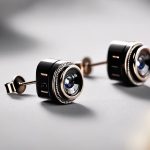
Combining audio with video broadens practical applications. In homes, a camera with audio recording can clarify ambiguous events, like whether a door was opened or if occupants heard a disturbance. For caregivers and nanny monitoring, audio helps gauge tone and context beyond visual cues. In commercial settings, office cameras with audio can deter theft, verify incidents, and mediate disputes when used in compliance with workplace policies. Law enforcement and security professionals rely on synchronized video and audio surveillance to document investigations, though these deployments must heed legal limits. Covert monitoring with small form-factor devices serves investigative needs, but operators must balance effectiveness with ethical considerations.
Legal and Privacy Considerations for Video and Audio Surveillance
Audio recording raises distinct legal and privacy issues compared with video-only systems. Laws vary widely by jurisdiction, with some areas permitting audio capture with the consent of at least one party and others requiring all-party consent. In workplace situations, employers should consult local regulations before activating office cameras with audio and should disclose monitoring in accordance with labor and privacy laws. Residential users must avoid recording in places where individuals have a reasonable expectation of privacy, such as bathrooms or private bedrooms, unless consent is obtained. Maintaining transparent policies and securing recorded data through encryption and access controls reduces legal risk and builds trust among occupants. Check the GoPro audio recording options in the app to capture clear sound with video.
Installation Tips and Best Practices
Proper installation maximizes both audio quality and evidentiary value. Position microphones to face probable sound sources while minimizing background noise from HVAC systems or street traffic. Test audio levels and adjust sensitivity to avoid clipping during loud events and to capture quiet speech accurately. Choose between cloud storage for offsite redundancy and local storage for faster access, and implement automatic backup routines. Keep firmware updated to patch security vulnerabilities, and use strong authentication to prevent unauthorized access to live feeds and saved files. For office deployments, document monitoring policies and retain recordings according to a predefined retention schedule to meet legal and operational requirements.
Evaluating Tradeoffs: Stealth, Quality, and Ethics
Smaller spy cameras may achieve greater stealth but often sacrifice microphone quality and battery life. Conversely, larger devices with dedicated microphones provide superior audio but are more visible. Consider the ethical implications of covert audio recording: respect privacy rights, use monitoring proportionally, and ensure recorded material is stored and handled responsibly. For professional security systems, investing in higher-quality audio components and secure storage solutions tends to yield better long-term outcomes in both clarity and legal defensibility.
Concluding, selecting a camera with audio recording involves balancing technical features, intended use cases, and legal responsibilities. Whether deployed for home security, office monitoring, or specific investigative needs within the spy camera features & technology cluster, integrated audio can make surveillance more informative and actionable when implemented thoughtfully. Prioritize devices with reliable audio performance, robust security, and compliant usage policies to ensure recordings serve their intended purpose without compromising privacy or legality.