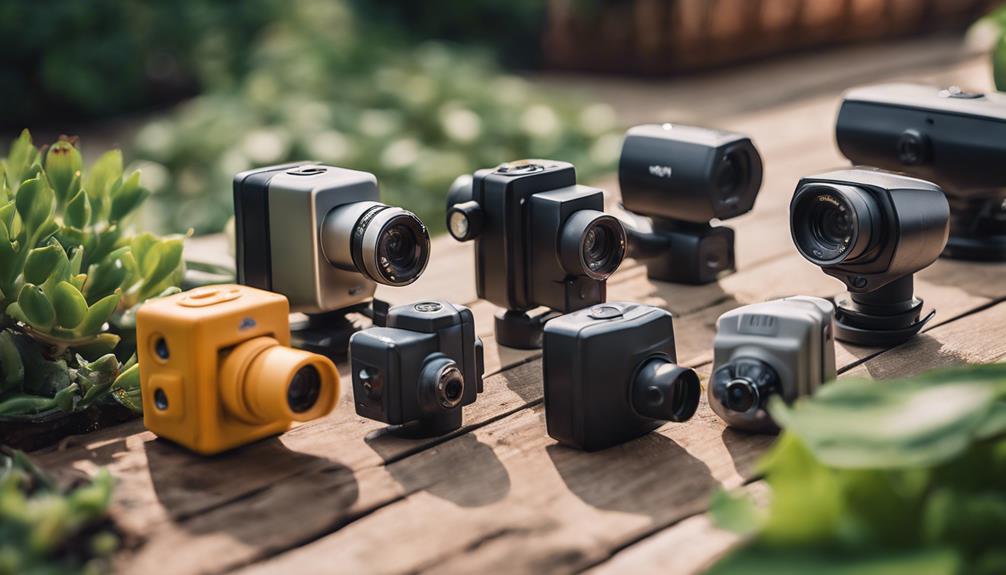

A cell charger camera combines an everyday charging accessory with a compact surveillance camera. Depending on the design, it may resemble a wall adapter, USB charger, power bank, or wireless charging pad. This practical form factor can make the device less visually intrusive than a conventional security camera, while providing a discreet way to monitor areas where a larger camera would be inconvenient.
What Is a Cell Charger Camera?
A cell charger camera is a functional charger that contains a miniature camera and, in some models, a microphone. Plug-in versions can operate from wall power for extended periods, while battery-powered designs and power banks can be moved between locations. Wireless charging models are intended to look and function like ordinary charging pads.
The camera lens is usually positioned through a small opening in the charger housing. Some devices record continuously, while others begin recording when motion is detected. The best choice depends on whether you need general activity monitoring, occasional event capture, or remote access while you are away.
How Recording and Monitoring Work
Cell charger cameras generally use one of two storage methods:
- Local storage: Video is saved to internal memory or a removable memory card. You retrieve the footage directly from the device or card.
- Wireless access: A Wi-Fi-enabled model can connect to a smartphone app for live viewing, notifications, and, depending on the product, cloud or network storage.
Motion detection can help reduce unnecessary recording and make important clips easier to find. However, detection performance depends on the room layout, lighting, camera position, and the device’s software. Before relying on alerts, test the camera in the exact location where it will be used.
Features Worth Comparing
Not every charger camera offers the same capabilities. Consider these features before choosing a model:
- Video quality: A higher-resolution image can make people and activity easier to distinguish, although good lighting and proper placement remain important.
- Low-light performance: Night vision or another low-light mode may be useful in rooms that are poorly illuminated.
- Power source: A mains-powered charger is better suited to long-term monitoring, while a battery-powered unit is more flexible but requires regular charging.
- Storage options: Check whether the device supports a memory card, local network storage, or a cloud service, and learn how long recordings are retained.
- Audio recording: Some models include microphones. Audio can provide useful context, but it is often subject to stricter consent and privacy rules than video.
- App and network security: Choose a product with clear setup instructions, account protection, and secure handling of recorded footage.
- Visible indicators: Check whether status lights can be controlled. Do not remove or disable safety indicators if doing so would mislead people about whether recording is taking place.
Appropriate Uses
When used lawfully and with appropriate notice, a charger camera may be useful for monitoring an entrance, a shared office area, or another space where security oversight is justified. A plugged-in model can provide a stable view of a room, while a portable charger camera may help protect personal belongings during travel.
For rental properties and workplaces, surveillance policies should be explained clearly in advance. Cameras should be limited to areas where monitoring is permitted and necessary. A charger camera should never be used to record private activities in places such as bathrooms, changing areas, or bedrooms without explicit legal authority and consent.
Privacy, Consent, and Responsible Use
Covert-looking equipment creates additional privacy concerns because people may not realise that recording is occurring. Laws vary by location, particularly for audio recording, employee monitoring, guests, tenants, and shared spaces. Before installing a device, review the rules that apply where the camera will operate and obtain consent or provide notice when required.
Use strong account credentials, update the device when updates are available, and restrict access to recorded footage. Avoid sending recordings to unnecessary recipients, and establish a deletion schedule so old footage is not kept indefinitely. If the camera is being used for a business or rental property, document its purpose and include the relevant policy in agreements or workplace guidance.
Choosing the Right Model
Start with the location and purpose rather than the device’s appearance. Choose continuous wall power for a fixed installation, local storage if internet access is unnecessary, or Wi-Fi features when authorised remote viewing is important. Confirm that the charger is compatible with the devices you intend to power and that the camera’s field of view covers the required area without pointing into private spaces.
Finally, consider the manufacturer’s instructions, warranty, support, and data-handling practices. A reliable charger camera should perform its ordinary charging function safely as well as record consistently. Used with clear boundaries and respect for privacy, it can be a practical security accessory rather than an unnecessary intrusion.