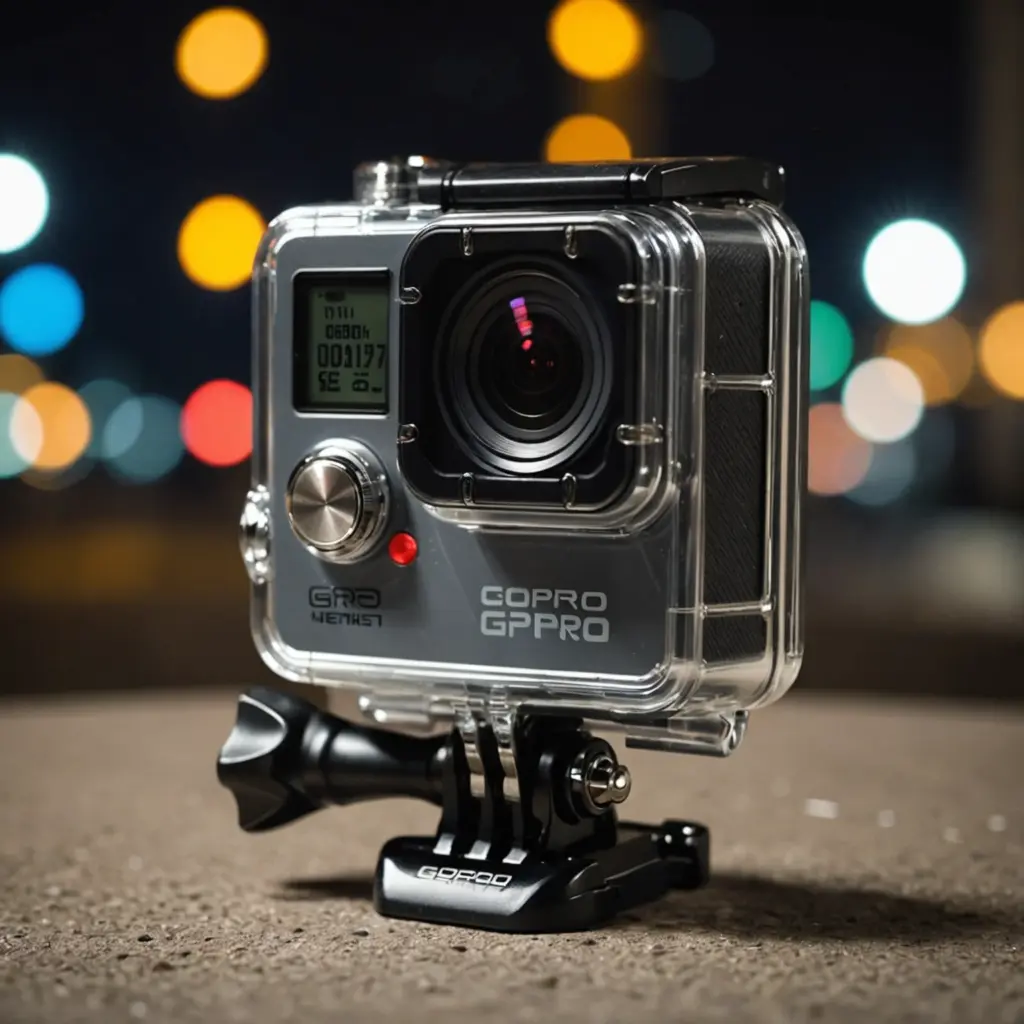

Gopro Night Vision is a common search for people wanting to capture action after dark or consider a GoPro as a low light surveillance tool. GoPro cameras have come a long way in low light performance, with dedicated night modes and powerful sensors, but they are not the same as true infrared night vision devices. This article explains what GoPro can and cannot do after dark, practical use cases within the spy camera features and technology cluster, and actionable tips to get the best nighttime footage from your camera. Examining GoPro's night vision performance reveals low-light imaging techniques used in modern spy camera features.
Do GoPro cameras have night vision?
Short answer: no, GoPro cameras do not have built in infrared night vision like dedicated security or spy cameras. When people ask do GoPro cameras have night vision or does GoPro have night vision, they are often asking whether GoPro can record usable video in very low light. Modern GoPro models offer night photo and night lapse modes, improved low light sensors, and software noise reduction that produce respectable nighttime footage, but these rely on visible light and longer exposures rather than infrared illumination. True night vision, which produces clear monochrome images in total darkness using infrared, is not standard on consumer GoPro cameras.
How GoPro handles low light and nighttime shooting
GoPro improves low light performance in several ways: larger image sensors, better image processing, and specialized modes like Night Photo and Night Lapse. These modes increase exposure time and allow higher ISO ranges to capture more light. Protune settings give manual control over ISO limits, white balance, and shutter speed, so you can balance noise and motion blur. Electronic stabilization can help in many situations, but for long exposures stabilization may actually interfere with sharp results, so it is often best turned off for tripod work. While newer models deliver cleaner low light images than earlier generations, low light video will still show more noise and reduced dynamic range than daytime footage.
Accessories and modifications for improved night performance
Because GoPro lacks built in infrared illumination, accessories are key for night shooting. On camera LED light modules and dedicated video lights dramatically improve image quality for close range scenes like vlogging, bike riding, or camping. For surveillance style uses, external infrared illuminators can be paired with a modified camera sensor—this is an advanced alteration that removes the infrared cut filter and voids warranty but allows the sensor to see IR light. A simpler, noninvasive option is to position visible light sources out of frame or use low profile LED arrays. Tripods, clamps, and mounts reduce shake for long exposures, while spare batteries and power banks help offset the increased power draw of night operation and added accessories.
Practical use cases in spy camera features and technology
GoPro cameras can serve several nighttime roles within a spy camera features and technology context, with important caveats. For wildlife observation, a GoPro paired with a strong spotlight or triggered by motion detection can capture nocturnal animals at close range. For action sports like night cycling or skiing, on camera lights paired with GoPro’s stabilization deliver usable footage. For short term surveillance or evidence capture, GoPro can be useful when visible light is available, but it is not a substitute for dedicated night vision or thermal cameras if you need reliable identification in complete darkness. Legal and ethical considerations are especially salient for any covert monitoring, so ensure you comply with laws and respect privacy. If you like GoPro night vision footage, consider a covert audio recorder for discreet nighttime monitoring.
Recommended settings and practical tips for nighttime shoots
Get better nighttime results by understanding the tradeoffs between shutter speed, ISO, and motion. For static scenes such as night lapses or astrophotography, use Night Photo or Night Lapse with longer shutter times (multiple seconds) and keep the camera stable on a tripod. For moving subjects, increase ISO to maintain faster shutter speeds but watch for noise; set reasonable ISO max limits in Protune to control grain. Turn off electronic stabilization for exposures longer than a second, and consider shooting at a slightly lower resolution if that reduces noise in your specific model. Use manual white balance when artificial lights dominate the scene to avoid color shifts. Test combinations beforehand: increase exposure gradually, review footage, and adjust lights or settings rather than relying on a single preset.
Limitations and when to choose a dedicated night vision solution
While GoPro low light modes are impressive for action cameras, they are limited compared with purpose built night vision and thermal devices. If you require clear identification in complete darkness, infrared sensitivity, or covert illumination that remains unseen to the human eye, a dedicated night vision camera or thermal imager is the appropriate choice. GoPro excels at versatile daylight and twilight capture, adventure documentation, and creative nighttime projects where visible light is present or can be added. For permanent home security installations, choose dedicated devices designed for continuous operation, infrared illumination, and remote monitoring features.
In summary, GoPro night vision in the strict sense does not exist, but GoPro cameras are capable of producing valuable nighttime footage when used with the right modes, settings, and accessories. Understanding the camera’s strengths and limits, combining good technique with lighting, and selecting the right tool for the job will let you leverage GoPro effectively within the broader field of spy camera features and technology.