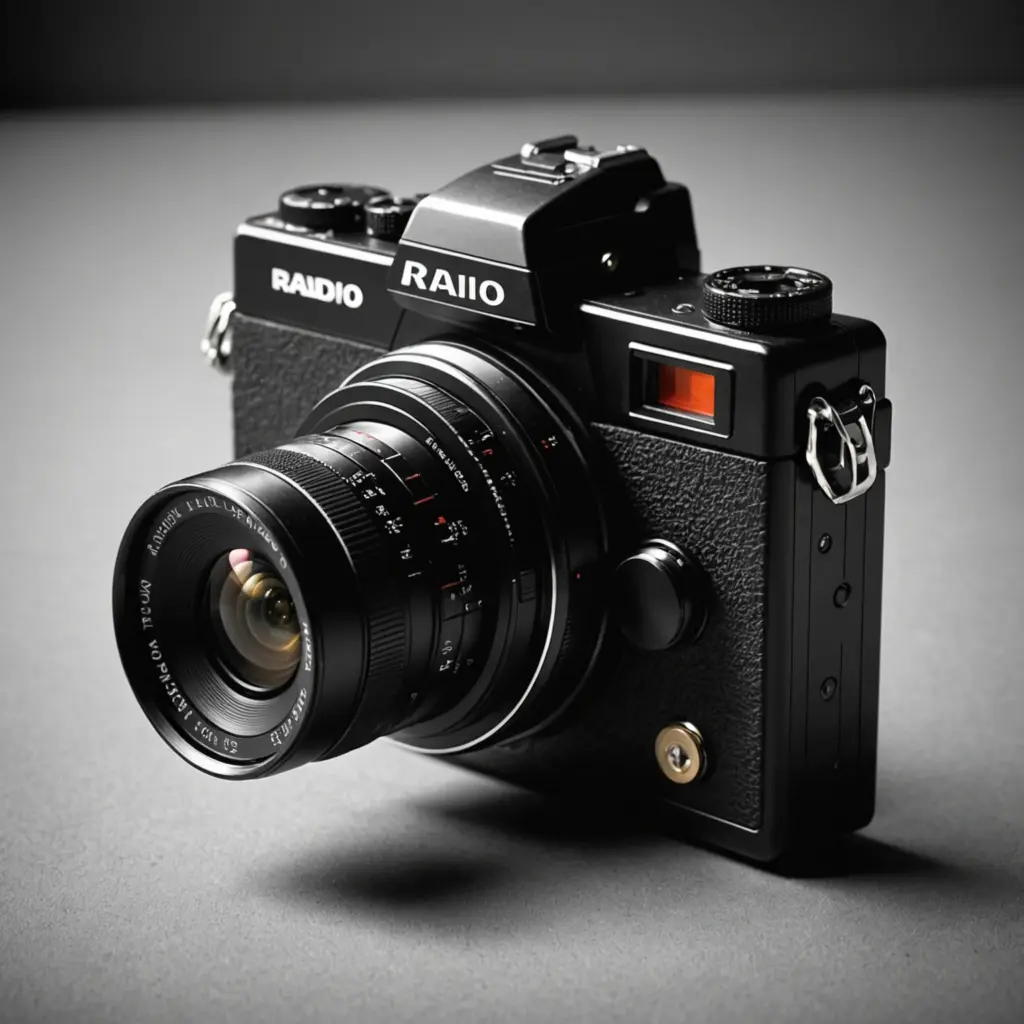

The radio camera spy is a discreet surveillance solution that hides a tiny camera inside what looks like an ordinary table radio. These devices blend into everyday environments while offering live video or recorded footage for monitoring spaces where visible cameras would be intrusive. As part of the spy camera features and technology cluster, understanding how a radio spy cam works and what to look for can help consumers choose a device that balances stealth, image quality, and legal use. Explore how radio signal integration improves range, stealth, and functionality in modern covert camera systems.
How a radio camera spy works
A radio camera spy typically houses a miniature lens, microphone, power source, and either local storage or a transmitter inside an enclosure that resembles a functioning radio. Some models operate as fully functional radios, while others only mimic the appearance. The core difference is their method of delivering footage: many rely on an analog or digital radio frequency transmitter to send live video to a dedicated receiver, while others use Wi‑Fi for network streaming. The radio-based approach—often called a hidden camera radio—can be advantageous when a network connection is unavailable or undesirable, because it creates a direct link between camera and receiver without routing data through the internet.
Key features and technology to consider
When evaluating a radio spy cam, look beyond the disguise and examine the internal features that determine performance. Image resolution and lens quality impact how useful footage will be for identification. Modern microcameras can deliver HD video, but resolution should be balanced with storage and transmission capabilities. Night vision or low-light sensitivity is important for round-the-clock monitoring. Motion detection reduces wasted recording and conserves battery life by triggering capture only when movement is detected.
Transmission technology is another critical factor. Analog RF transmitters have low latency and simple receiver setups, but they are more susceptible to interference and easier to intercept. Digital radio transmission and frequency hopping can improve resistance to interference and unauthorized reception. Some advanced radio camera spy devices implement encryption on the transmitted stream, providing an extra layer of privacy. For stationary monitoring, models with local storage on microSD cards eliminate transmission concerns altogether, but they require physical retrieval of the card to access footage.
Practical use cases for a hidden camera radio
Hidden camera radios serve a variety of legitimate purposes in home security and small business settings. Homeowners may use a radio spy cam to discreetly monitor a front room or entryway for package theft and unexpected visitors. Parents sometimes deploy such devices as nanny cams to verify caregiver behavior, while small businesses might monitor a back office or retail floor for inventory protection or employee safety. Travel enthusiasts and RV owners use compact hidden cameras to keep an eye on belongings while parked or to document a space during short-term rentals.
Because a radio spy cam can operate without relying on Wi‑Fi, it is useful in locations with poor internet coverage or where connecting to a network is not advisable. Real estate professionals and property managers can benefit from short-term monitoring during showings or maintenance periods. In each of these cases, the goal is unobtrusive observation rather than covert surveillance for illegal purposes. Concerned about radio camera spy threats, verify if motion sensors conceal cameras using radio surveillance gear.
Legal and ethical considerations
Before purchasing or using a radio camera spy, it is essential to understand the legal and ethical boundaries. Laws vary by jurisdiction, but a common rule is that recording audio or video in private spaces where people have a reasonable expectation of privacy—like bathrooms and bedrooms—can be illegal without consent. In many regions, recording conversations without at least one party’s consent is prohibited. Even in public or semi-public spaces, ethical considerations about trust and transparency apply, especially in workplaces and rental properties.
Users should check local regulations governing surveillance devices and obtain consent when required. For employers, informing employees of monitoring policies can reduce legal risk and preserve morale. Using a hidden camera radio for evidence in criminal matters should be coordinated with law enforcement to ensure admissibility and compliance with investigative procedures.
Choosing and maintaining your radio spy cam
Selecting the right hidden camera radio depends on intended use and priorities. If continuous remote monitoring is important, choose a model with reliable transmission range and secure streaming features. For recording without remote access, prioritize local storage capacity and battery endurance. Battery life, power options, and ease of charging matter for long deployments; some models support external power or rechargeable batteries that can last days on a single charge.
Placement is critical: the disguise must look natural, and the lens should have an unobstructed view of the monitored area. Test the device thoroughly before deploying it for extended periods, checking video clarity, motion detection sensitivity, and audio quality if needed. Regular maintenance includes clearing storage, updating firmware when available, and inspecting for signs of wear. Where transmission is used, be aware of potential interference sources such as other wireless devices and take steps to minimize signal disruption.
Final considerations
A radio camera spy offers a powerful blend of concealment and functionality, making it a useful tool within the broader category of spy camera features and technology. Whether you call it a hidden camera radio or a radio spy cam, the most effective devices balance image quality, reliable transmission or storage, and sensible privacy safeguards. Always prioritize lawful and ethical use, and choose a model whose technical capabilities match your specific monitoring needs. With careful selection and responsible operation, a radio camera spy can be an unobtrusive component of a comprehensive home security or surveillance strategy.