
Hidden camera bathroom incidents raise serious privacy, legal, and safety concerns. Whether accomplished with small “spy” devices or disguised everyday objects, the presence of covert surveillance in restrooms can devastate trust and violate laws. This article explains what people mean by a hidden camera bathroom, outlines common types of covert cameras for awareness purposes, discusses legal and ethical implications, and offers practical, nontechnical steps victims and property managers can take to detect and respond to suspected surveillance. For hidden bathroom recordings, understanding concealed lens types helps identify which specific spy models may be used.
What people mean by hidden camera bathroom and why it matters
The phrase hidden camera bathroom refers to covert recording devices placed in a restroom or bathing area to observe people without their knowledge or consent. Such acts invade intimate privacy and are treated as criminal offenses in many jurisdictions. Beyond the immediate violation of privacy, discovery of a spy camera in restroom environments can cause long-term emotional harm to victims, lead to reputational damage for businesses or landlords, and trigger civil and criminal liability for perpetrators.
Common types of covert cameras to be aware of
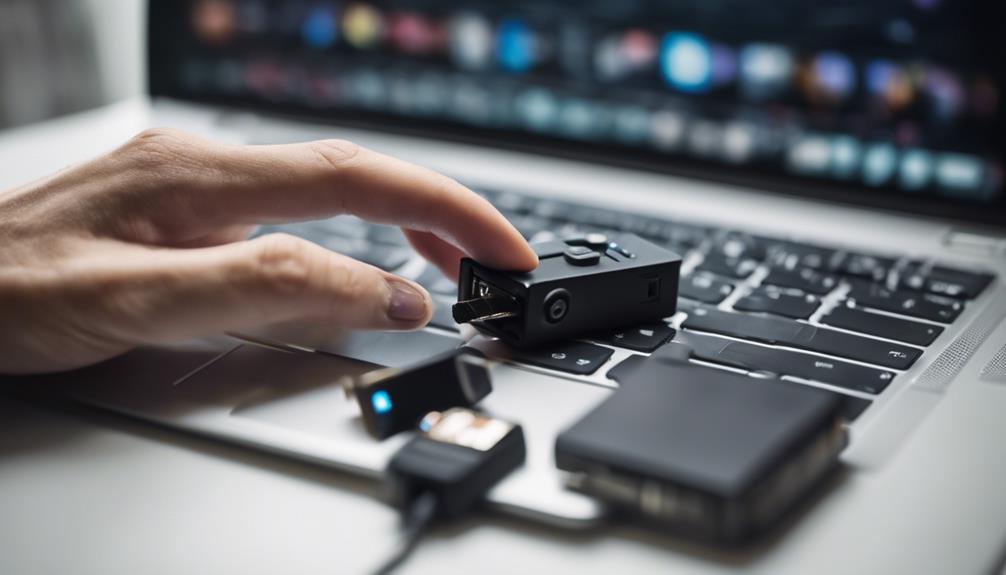
Understanding the variety of small surveillance devices can help individuals and managers recognize suspicious items. Typical categories of covert cameras include very small “pinhole” lenses embedded in objects, camera modules incorporated into everyday items like clocks or smoke detectors, and networked devices that transmit images over Wi‑Fi. These items are sometimes marketed as nanny cams or security tools for legitimate uses, but when placed in private areas such as bathrooms they become instruments of voyeurism.
When discussing specific spy camera types, the intent is to increase awareness rather than to instruct on acquisition or concealment. Knowing that cameras can be disguised as innocuous objects—mirrors, air fresheners, power adapters, or decorative fixtures—helps when conducting visual inspections and assessing whether an item belongs in a private space.
Legal and ethical implications of surveillance in private spaces
Most legal systems treat covert recording in bathrooms and other private spaces very seriously. Laws often prohibit capturing images of people in situations where there is an expectation of privacy, such as restrooms, locker rooms, and bedrooms. Penalties can include criminal charges, fines, and civil lawsuits for invasion of privacy or intentional infliction of emotional distress. Employers, landlords, and business owners who allow or fail to prevent such surveillance may face additional liability.
Ethically, installing a hidden camera bathroom device violates personal autonomy and dignity. Even in contexts where security is a concern, there are established alternatives—clear signage, controlled access, and monitoring of common or public areas—that respect privacy while addressing safety needs. Organizations should adopt privacy-first policies and consult legal counsel before implementing any monitoring program.
Practical steps to detect and respond to a suspected spy camera in restroom
If you suspect a spy camera in restroom areas, prioritize safety and evidence preservation. Begin by calmly documenting what you observed: the date, time, location, and a description or photograph of any suspicious item. Avoid touching or moving potential devices, as handling can disturb physical evidence and complicate investigation. If you're concerned about bathroom privacy, check solutions such as a candle recording device disguised as decor.
Report the discovery to the property owner, manager, or employer right away, and request that they contact law enforcement if you believe illegal recording has occurred. If you are in a public or commercial setting, ask staff to secure the area to prevent further exposure and to preserve potential evidence. Consider filing a police report so authorities can perform a proper forensic examination.
For personal safety and peace of mind, victims may also consider seeking legal advice, pursuing civil remedies, and obtaining support from counseling services. Reputable consumer protection or privacy advocacy organizations can sometimes provide guidance on next steps and short-term protective measures.
Prevention and best practices for property owners and managers
Property managers, landlords, and business owners must balance safety with respect for privacy. Best practices include prohibiting surveillance devices in private areas, establishing clear written policies, and training staff to recognize and report suspicious behavior or objects. Regular, documented inspections of communal and service areas help demonstrate due diligence, but inspections should respect tenants’ and guests’ privacy and follow local law.
In settings where security monitoring is appropriate—entrances, corridors, and other public spaces—use clearly visible cameras, post signage informing individuals of surveillance, and limit access to recorded footage. If there is ever uncertainty about the legality or appropriateness of a monitoring device, consult an attorney experienced in privacy and employment law before installation.
Balancing technology and respect for personal privacy
Advances in small camera technology have made covert recording easier, so awareness, clear policy, and responsible oversight are critical. Technology itself is neutral; how it is used determines its impact. Organizations and individuals should prioritize transparency, informed consent where applicable, and legal compliance to prevent abuses. Community norms and regulations are evolving to address these challenges, but proactive prevention and swift response remain the most effective tools against hidden camera bathroom incidents.
Encountering the possibility of a spy camera in restroom settings is deeply distressing, but knowing the types of devices commonly used, the legal landscape, and appropriate response steps empowers people to protect themselves and others. If you find or suspect covert surveillance, document the situation, report it to the appropriate authorities, and seek professional help to ensure that the matter is investigated and resolved while preserving victims’ rights and dignity.