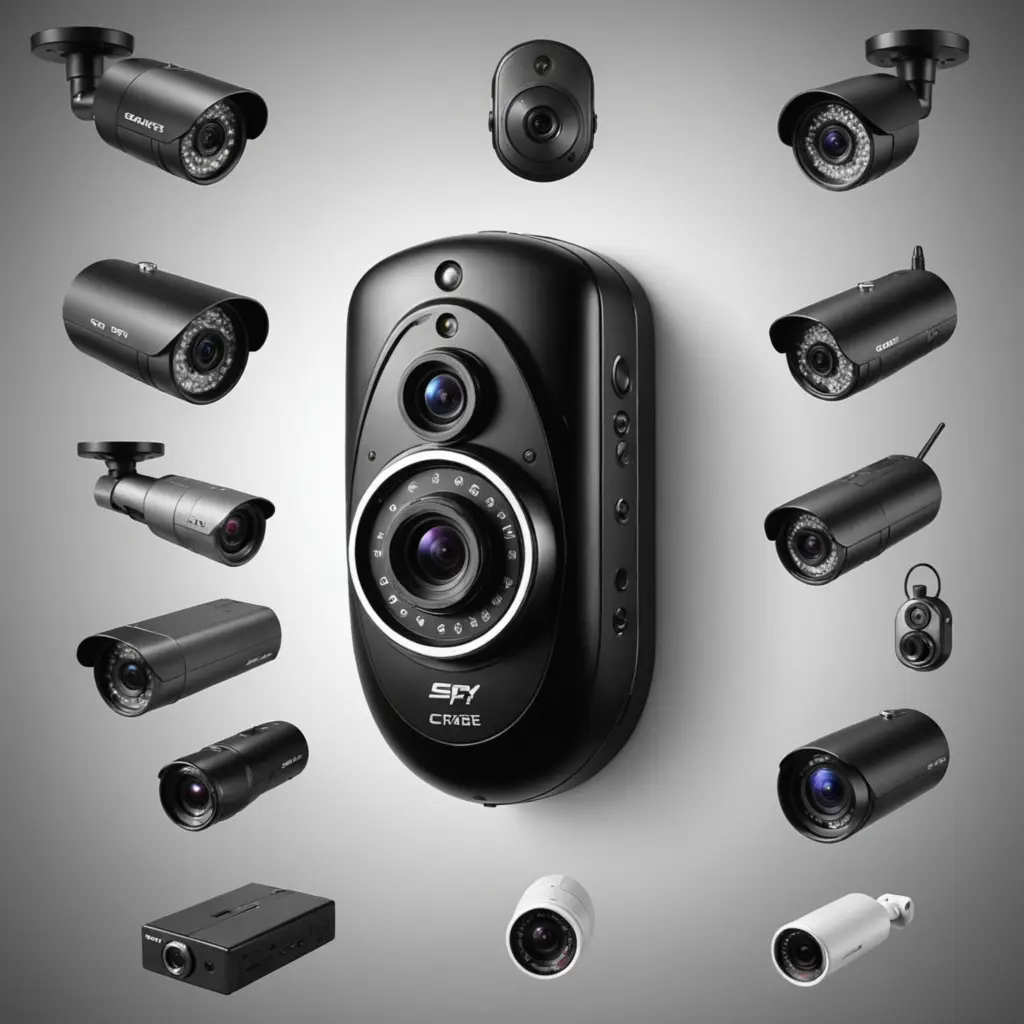

A spy bug detector can help identify hidden cameras, wireless microphones, and other electronic surveillance devices in homes, rental properties, offices, and meeting rooms. The right equipment depends on what you are looking for: some detectors identify radio transmissions, while others help reveal concealed camera lenses. For more demanding situations, professional counter-surveillance equipment may be necessary.
What a spy bug detector can detect
There is no single detection method that finds every type of surveillance device. Spy bug detectors generally use one or more of the following approaches:
- Radio-frequency detection: Finds signals emitted by wireless microphones, cameras, and other transmitting devices.
- Camera-lens detection: Uses light and optical filtering to reveal the reflection from a concealed lens.
- Magnetic-field sensing: May help identify certain electronic components or active devices.
- Infrared illumination: Can assist with examining dark or difficult-to-see areas for camera-related reflections.
Consumer products may combine several of these functions in one unit. More advanced sweeps can use spectrum analysers or other professional tools to investigate low-power, frequency-hopping, or otherwise difficult-to-detect transmitters.
Common types of bug detectors
RF detectors
RF detectors scan for radio signals from devices that transmit audio or video wirelessly. They are useful when a suspected device is actively sending information, but they can also respond to ordinary electronics such as Wi-Fi routers, Bluetooth equipment, wireless phones, and baby monitors.
Hidden-camera finders
A bug camera finder typically uses bright LEDs, an optical filter, or a viewing window to make a camera lens stand out through reflected light. This method is useful for checking objects that could conceal a small lens, including clocks, smoke detectors, picture frames, lamp fittings, and decorative items.
Combination detectors
A multi-mode detector combines RF scanning with optical lens detection. This provides broader coverage during a basic privacy inspection, particularly when you do not know whether the suspected device is a camera, a microphone, or another type of transmitter.
How to perform a methodical sweep
A careful process is more useful than simply switching on a detector and walking around the room. Before beginning, make a note of normal wireless equipment and, where practical, turn off or isolate unnecessary electronics. This reduces background signals and makes unusual readings easier to investigate.
- Inspect the room first. Look for objects that seem out of place, unexplained wiring, unusual openings, or devices positioned where a camera or microphone would have a clear view or sound path.
- Scan slowly with the RF detector. Move around walls, furniture, outlets, desks, light fittings, and likely concealment points. If the signal becomes stronger near one object, inspect that area rather than treating the reading as proof.
- Use the lens finder. Dim the room if possible and scan suspected objects from different angles. A reflected point of light may indicate a lens, although other shiny surfaces can create similar reflections.
- Check readings against known devices. Temporarily switch off routers, Bluetooth equipment, phones, and other transmitters to determine whether they are causing the alert.
- Document anything unusual. Record the location and conditions of a suspicious reading, and take photographs before moving or disconnecting an object.
Repeating a sweep at different times can be useful because some devices may transmit only intermittently. However, a detector reading or lens reflection should be treated as an indication for further inspection, not conclusive evidence by itself.
Choosing the right detector
For occasional checks in a home, hotel, or rental property, a basic camera finder or combination RF-and-optical detector may provide a practical starting point. People responsible for confidential meetings, business information, or larger facilities may need equipment with broader frequency coverage, adjustable sensitivity, and more detailed signal information.
When comparing products, examine the specifications rather than relying only on marketing language. Important considerations include:
- Supported frequency range
- Adjustable sensitivity and alert controls
- Detection distance under stated conditions
- Optical lens-finding capability
- Battery life and charging method
- Ease of interpreting readings
Important limitations
An RF detector cannot reliably find a device that is switched off, does not transmit, or is connected by wire. Low-power transmitters, frequency-hopping equipment, metal structures, and surrounding electronic noise can also complicate a sweep. A hidden camera finder may miss a lens that is blocked, poorly positioned, or concealed behind a suitable covering.
Keep batteries charged, follow the manufacturer’s calibration guidance, and update firmware when applicable. Do not dismantle electrical equipment or interfere with property that does not belong to you. If a suspicious device is found, preserve its location and condition and consider obtaining appropriate professional or legal advice.
When to use a professional sweep
Professional counter-surveillance specialists are appropriate when the suspected threat is serious, an initial inspection produces unclear results, or the environment contains sensitive business, legal, or personal information. Specialists can combine multiple detection methods and use equipment designed to investigate more difficult transmitters and wired devices. They may also be able to provide technical documentation of their findings.
A spy bug detector is most effective when used as part of a structured inspection. Understanding its detection method, reducing false positives, checking suspicious objects carefully, and recognising the limits of consumer equipment will produce more dependable results than relying on a single alert.