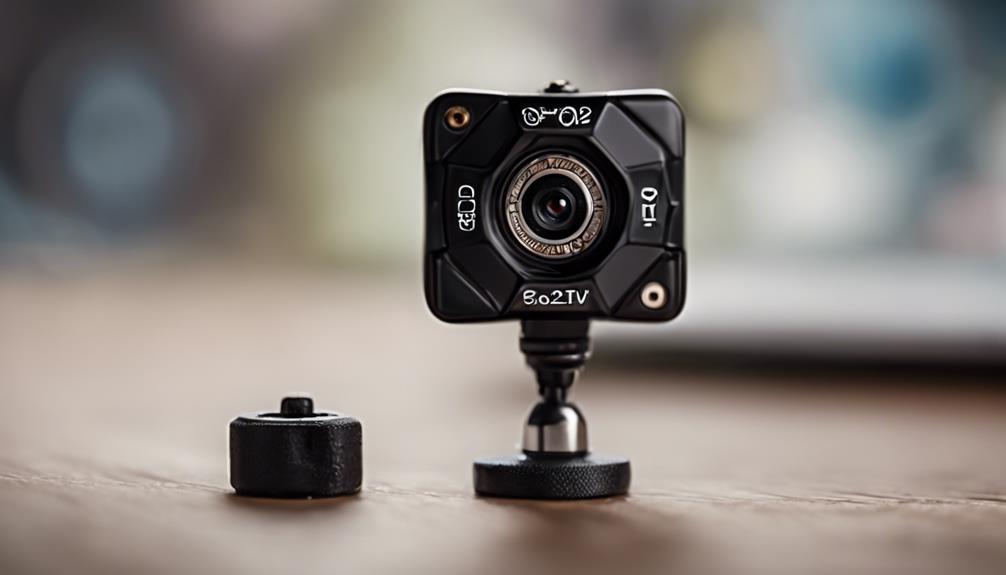

A self-contained security camera combines the camera, recording hardware, and storage in one compact device. Unlike a traditional CCTV setup, it can record footage without a separate digital video recorder or a permanent connection to the internet. Many models save video to a microSD card or built-in storage, giving you direct control over recorded files.
This design is useful when you need a simple, portable monitoring solution for a home, office, temporary site, or other location where installing a complete surveillance system would be impractical. It can also reduce reliance on cloud services, although local recording does not remove the need to protect the device and its files.
Why choose a self-contained security camera?
The main benefit is straightforward installation. A self-contained unit generally requires fewer cables and no external recorder, making it easier to place or relocate. Because recordings are stored on the device, the camera can continue capturing footage when internet service is unavailable.
Local storage also gives you physical control over recordings. You can remove the memory card or transfer files directly rather than sending every recording to a cloud platform. However, anyone who can access the camera or its storage may also be able to access the footage, so password protection, encryption, and secure handling remain important.
Practical uses
These cameras can suit a range of short-term and small-scale security needs, including:
- Monitoring entrances, storage areas, or other property where surveillance is lawful.
- Checking activity in a home or office when a larger camera system is unnecessary.
- Protecting stock, equipment, or supplies at a temporary site or pop-up business.
- Recording activity in locations without dependable internet access.
- Supporting documentary, inspection, or field work where a compact recording device is useful.
Some people consider these devices for childcare or in-home monitoring. In those situations, everyone who may be recorded should be treated fairly, and local privacy and consent requirements should be reviewed before recording begins.
Features to compare before buying
Storage and recording modes
Check the supported memory-card capacity or the amount of internal storage. Motion-triggered recording can reduce the number of empty hours saved, while loop recording automatically replaces older files when storage is full. If recordings may be important later, use a retention plan that prevents valuable footage from being overwritten.
Power options
Battery-powered cameras are convenient for temporary placement, but actual battery life depends on settings, motion frequency, recording length, and other factors. Rechargeable models require a routine for checking charge levels. If the camera will remain in one place, a reliable wired power option may be more suitable.
Image and audio quality
Choose image quality appropriate for the distance and detail you need to capture. Low-light performance or infrared recording may be important for nighttime scenes. If audio is included, confirm that recording it is lawful in your location; audio rules can differ from video rules.
Motion detection and security controls
Adjustable motion sensitivity can help reduce false recordings caused by pets, changing light, or minor background movement. Look for password protection and, where available, encrypted storage or file access. A model that supports a mobile app may offer remote settings or viewing, but those features can introduce wireless and account-security considerations.
Placement and installation
Place the camera where it has a clear view of the entrance, equipment, or activity area you need to monitor. Avoid pointing it toward bright lights or reflective surfaces that can obscure the image. Test the angle during both daytime and nighttime conditions, and confirm that the lens, microphone, and motion sensor are not blocked by a housing or nearby object.
Keep in mind that concealment does not override privacy rights. Do not record in bathrooms, dressing rooms, bedrooms used by others, or other locations where people reasonably expect privacy. Disclose surveillance where required, and use visible placement when discretion is not necessary. Before installation, check applicable laws, workplace policies, rental rules, and consent requirements.
Maintaining the camera and its recordings
- Check the battery, power connection, date, time, and recording mode regularly.
- Review sample footage to confirm that the angle and lighting are suitable.
- Check available storage and replace or archive files before loop recording overwrites them.
- Apply device or firmware updates when supported and obtained from the manufacturer.
- Keep the camera and memory card in a secure location when they are not in use.
If footage may be used in a dispute or investigation, preserve the original files. Record when the device was collected, who accessed it, and when copies were made. Avoid editing the original recording, and keep verified copies separate from files used for review or sharing.
Local storage compared with cloud and networked cameras
A self-contained camera prioritizes simple deployment and local control. It can continue recording without a central recorder or continuous internet connection, but someone must eventually retrieve the device or its storage, charge it, and protect the footage.
Networked and cloud-connected cameras may provide remote viewing and off-site backups, but they depend more heavily on connectivity and account security and may involve ongoing service costs. The best choice depends on whether your priority is portability and local access or remote management and automatic off-site storage.
Used lawfully and maintained carefully, a self-contained security camera can provide flexible monitoring with minimal infrastructure. Select storage, power, recording, and security features based on the situation, and make privacy and responsible evidence handling part of the setup from the beginning.