
Smart Sock technology has become a common topic for new parents and caregivers looking to add an extra layer of safety to infant monitoring. These wearable devices — most famously marketed by brands like Owlet — track pulse rate and blood oxygen levels through a soft sock that fits over a baby’s foot. In households that already rely on nanny cams for video supervision, a Smart Sock can provide physiological data that complements visual monitoring and helps parents make more informed decisions about overnight care. Evaluate the Smart Sock among baby monitoring options to combine wearable alerts with room surveillance.
What a Smart Sock does and how it works
A Smart Sock is essentially an oximeter designed for babies. It uses light sensors to measure oxygen saturation and heart rate noninvasively from the foot. The device transmits data to a base station or smartphone app and alerts caregivers if readings fall outside preset ranges. Parents often ask what does an Owlet do; in short, an Owlet oximeter measures pulse and oxygen and sends real-time notifications, which can be reassuring when paired with live video from a nanny cam.
Smart Sock versus nanny cams: complementary roles
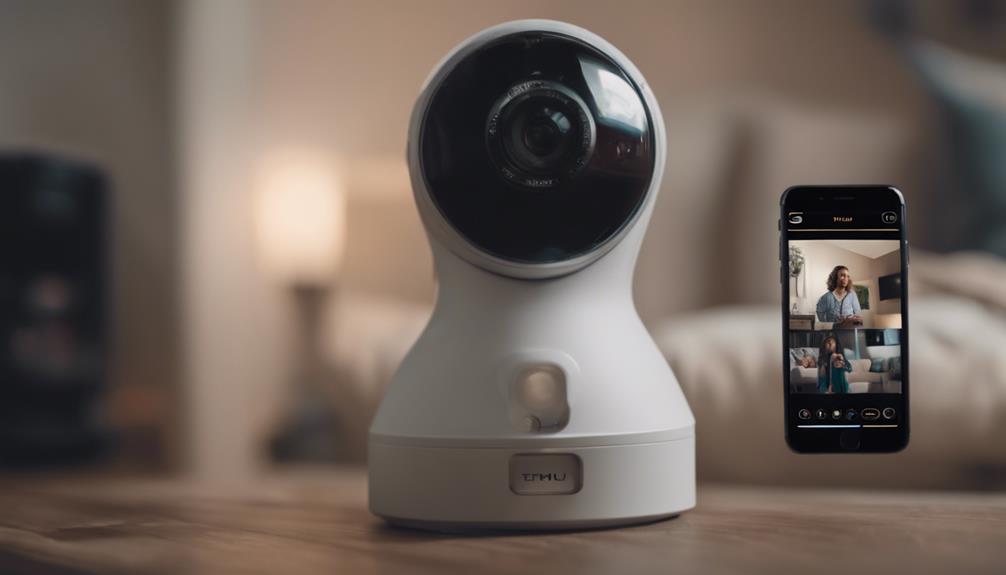
While both devices are part of modern baby monitoring setups, they serve very different purposes. A nanny cam provides continuous visual and audio surveillance so you can see sleeping position, movements, or a caregiver’s interactions. A newborn sock monitor, including the baby smart sock, offers physiological insight that cameras cannot capture. Combined, they give a fuller picture: cameras show what the baby is doing, and the sock shows how the baby is physiologically responding. This combination is especially helpful at night or when multiple caregivers are present.
Who benefits most — preemies and newborns
Some infants are at higher risk and may benefit more from a foot monitor for infants than healthy full-term babies. The best baby sock monitor for preemies will often be used in consultation with a neonatologist or pediatrician, especially if a baby has a history of apnea, low birth weight, or other respiratory concerns. Newborn smart sock devices are marketed to give parents peace of mind during the early months when sudden changes in breathing or color are particularly anxiety-inducing. That said, hospitals and clinicians typically rely on medical-grade monitors; home devices are supplementary and should not replace professional advice or monitoring when a clinician recommends hospital care.
Practical considerations: accuracy, false alarms, and safety
Accuracy and the potential for false alarms are common concerns. Home sock monitors, including popular models like the Owlet, are intended for wellness monitoring rather than medical diagnosis. They can produce false alerts when the sock shifts or loses contact, and sensitivity settings can affect how often a caregiver is notified. Battery life, app connectivity, and the physical fit of the sock are practical factors that influence reliability. Parents should follow manufacturer instructions for sizing and placement and recalibrate expectations about what a sock monitor can and cannot detect. For comprehensive elder care, combine a wearable fall monitor with a nanny cam for continuous oversight.
Price, purchasing, and product choices
Cost is another consideration for families weighing whether to add a newborn sock monitor to their home setup. Many parents ask how much is an Owlet and what the owlet price tends to be. Retail prices vary by model and by whether the unit includes supplemental services like cloud video or extended warranties. Entry-level smart socks may be priced lower, while bundles that include a base station and subscription services raise the total. If you are wondering where to buy Owlet monitor devices, they are commonly available through major online retailers, the manufacturer’s website, and select baby specialty stores. When shopping, compare return policies and warranty terms so you can test compatibility alongside your existing nanny cam setup.
Using a Smart Sock with your home monitoring setup
Integrating a Smart Sock with cameras used for nanny cams can improve situational awareness. For example, if the sock alerts you to an abnormal reading at night, you can immediately check the camera feed to evaluate sleeping position, bedding, or any visible obstruction. That layered approach supports faster and more appropriate responses. Keep in mind data privacy: some devices transmit information to apps and cloud services, so review privacy policies and secure your home Wi-Fi network. Also, coordinate with any in-home caregivers about how to respond to alerts to avoid confusion or unnecessary panic.
Choosing the right monitor for your family
Deciding whether to use a Smart Sock, and which model to choose, depends on your baby’s medical needs, your tolerance for alerts, and how much integration you want with other home monitors like nanny cams. For families of preemies or infants with known risk factors, a sock monitor may offer added reassurance, but it should complement rather than replace medical guidance. For parents seeking peace of mind during the newborn months, a combination of a reliable sock monitor and a high-quality camera can create a practical at-home safety net.
In conclusion, a Smart Sock can be a useful component of a modern nursery monitoring system, especially when paired with nanny cams that provide visual context. Understand the limitations and realistic benefits, consult your pediatrician if your infant has special medical needs, and choose products and vendors with clear return and privacy policies. With thoughtful use, a baby smart sock or sock monitor for infants can reduce worry and help parents respond quickly when a nighttime alert occurs.