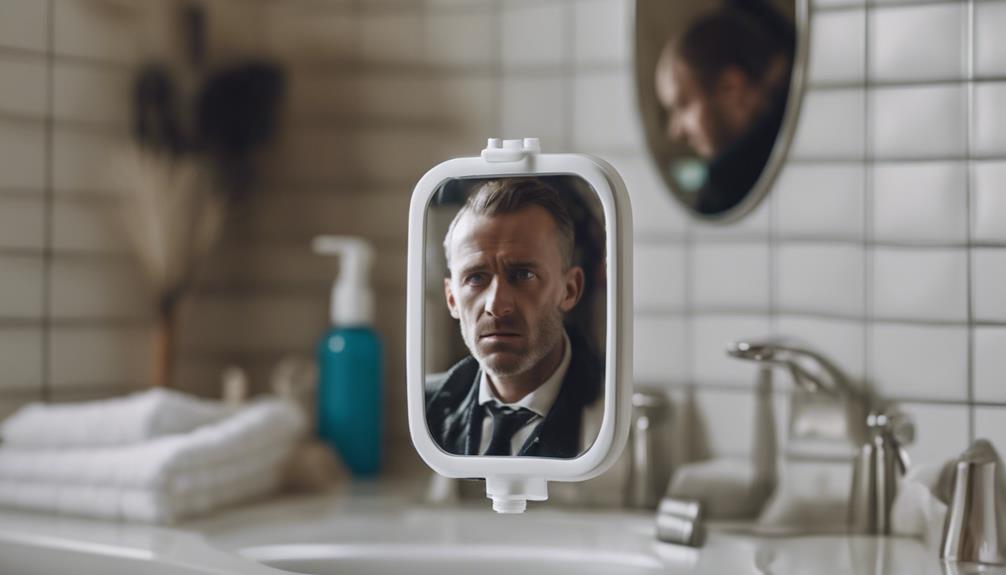

Hidden-camera footage from bathrooms and other private spaces is disturbing not because it is sensational, but because it represents a serious violation of personal privacy. A bathroom, changing area, hotel room, dormitory, or private home should not be treated as a place where people can be recorded without their knowledge.
This guide explains the broader risks associated with concealed cameras, the ethical and legal issues they raise, and the practical steps to take if you suspect unauthorized recording. It does not reproduce or promote invasive footage. Sharing such material can further harm victims and may create additional legal problems.
Where privacy violations can occur
Reports of concealed recording can involve many settings, including public or workplace restrooms, gym changing areas, hotel rooms, short-term rentals, college dormitories, and private residences. The circumstances differ, but the central concern is the same: people are recorded in spaces where they reasonably expect privacy.
- Bathrooms and changing areas: These are especially sensitive locations because people may be undressed or otherwise vulnerable.
- Hotels and short-term rentals: Guests may not know who installed a device, who can access recordings, or how long material is retained.
- Gyms and other facilities: Members often trust operators to protect private areas, making covert surveillance a serious breach of that trust.
- College housing: Students may be particularly vulnerable when privacy is compromised in dorm rooms or shared facilities.
- Private homes and nanny-camera settings: Cameras intended for child or property safety can become intrusive when used secretly or placed in areas where caregivers have a reasonable expectation of privacy.
Why hidden recording is a serious issue
Covert surveillance can cause emotional distress, fear, embarrassment, and a lasting loss of security. Victims may also worry that recordings could be copied, posted online, sold, or used for harassment. Once private footage leaves the original device, controlling its distribution can be extremely difficult.
There are also important ethical questions. Security monitoring should have a clearly defined purpose, use the least intrusive method available, and be disclosed wherever disclosure is required or appropriate. Recording people in intimate spaces is fundamentally different from monitoring an entrance, a cash register, or another public-facing area.
Legal concerns vary by location
Privacy, wiretapping, voyeurism, recording, employment, housing, and data-protection laws differ by jurisdiction. In many places, secretly recording someone in a bathroom, bedroom, changing area, or similar private location may be a criminal offense or grounds for civil action. Consent requirements can also vary depending on whether audio is captured, who owns the property, and whether the person being recorded was informed.
Because the rules are location-specific, anyone affected should contact local law enforcement, a qualified attorney, a victim-support service, or another appropriate authority. Property owners, employers, landlords, and accommodation providers should establish clear surveillance policies and ensure that any security equipment is used lawfully and responsibly.
What to do if you suspect a hidden camera
- Leave the area if you feel unsafe. Do not put yourself at risk by searching an unfamiliar room or confronting a suspected offender.
- Document what you observed. From a safe location, note the date, time, address, room, and appearance of the suspected device. If lawful and safe, take a photograph that shows its position without handling it.
- Do not dismantle or destroy the device. It may contain evidence, and tampering can complicate an investigation.
- Report the matter promptly. Contact local authorities and notify the responsible property manager, hotel, gym, school, or rental platform through an official channel.
- Preserve communications. Keep booking records, messages, receipts, photographs, and incident numbers. Avoid posting identifying details or suspected footage publicly.
- Seek support. Privacy violations can be traumatic. A trusted person, counselor, advocate, or legal professional can help with next steps.
Reasonable privacy precautions
Before using an unfamiliar room, look for objects that seem out of place, recently moved, or aimed toward a bed, shower, toilet, or changing area. Pay attention to unusual holes, unfamiliar electronics, and devices that do not have an obvious purpose. These checks are not foolproof, and consumer detection tools can produce false alarms, so a suspected device should be treated as a matter for qualified authorities rather than investigated recklessly.
People can also reduce risk by reviewing accommodation details, using reputable providers, limiting unnecessary personal information, and reporting suspicious behavior early. Businesses and institutions have a corresponding responsibility to restrict access to security systems, protect recorded data, train staff, and respond transparently to complaints.
Privacy should come before sensationalism
Hidden-camera incidents are sometimes presented as shocking entertainment, but the people recorded are not content. Responsible coverage should avoid identifying victims, linking to invasive material, or encouraging the circulation of recordings. The focus should remain on prevention, accountability, lawful reporting, and restoring the victim’s safety and dignity.