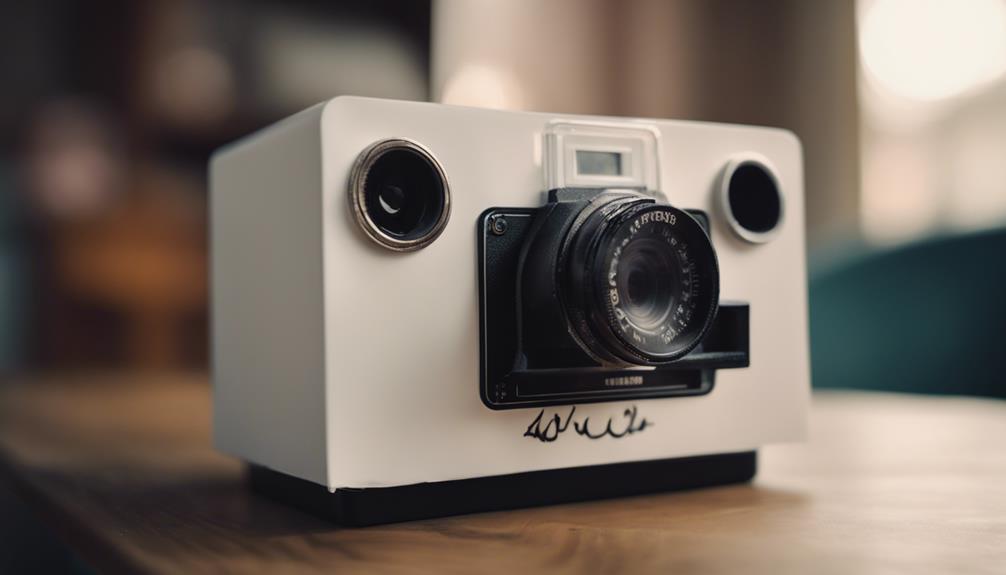

Cellular cameras can be useful when a monitored location has limited Wi-Fi access or when you need to check a site from a distance. Instead of relying on a single camera design, choose the type that matches the area, viewing angle, power supply, and recording requirements.
The five options below cover common remote-monitoring situations, from discreet indoor observation to wide-area outdoor coverage. Use any surveillance device responsibly: follow applicable privacy laws, avoid recording areas where people reasonably expect privacy, and provide notice or obtain consent when required.
1. Miniature Indoor Cellular Camera
A compact indoor camera is suited to rooms, entryways, offices, storage areas, and other relatively controlled environments. Its small size makes it easier to position without taking up valuable space, while cellular connectivity can provide remote access where a conventional network connection is unavailable or unsuitable.
Features to consider
- Clear video recording for identifying people or activity
- Remote viewing through a compatible phone or web application
- Low-light performance for dim rooms
- Local or cloud storage options, depending on the device
- A power arrangement that suits continuous or scheduled monitoring
Placement should be practical and lawful rather than focused on secretly recording people. A camera aimed at a permitted area, such as a doorway or equipment room, is generally more useful than one obstructed by furniture or pointed toward private spaces.
2. Motion-Activated Cellular Camera
Motion activation helps reduce unnecessary recording by starting capture when movement is detected. This can make footage easier to review and may help conserve storage, battery power, or mobile data compared with continuous recording.
For remote monitoring, useful features include adjustable detection sensitivity, activity notifications, time stamps, and the ability to review or download recorded clips. Detection settings should be tested in the intended location because passing traffic, moving branches, pets, or changing light can create unwanted alerts.
Privacy is especially important with motion-triggered devices. Configure the camera so it covers only the property or activity you are authorised to monitor, and avoid areas such as bedrooms, bathrooms, or other places where privacy is expected.
3. Weatherproof Outdoor Cellular Camera
Outdoor monitoring requires equipment designed for exposure to rain, dust, temperature changes, and fluctuating light. A weather-resistant cellular camera can be used to observe areas such as driveways, gates, yards, remote buildings, or work sites without depending on a nearby Wi-Fi signal.
Outdoor specifications worth checking
- Weather-resistant construction appropriate for the installation environment
- Night vision or another method of recording in low light
- Reliable cellular reception at the intended location
- Battery life or an appropriate external power source
- A mounting method that remains stable in wind and rain
Before installation, check the signal where the camera will actually sit, not just near the property. Trees, walls, terrain, and building materials can affect connectivity. A camera that records well but cannot send alerts or footage is not an effective remote-monitoring solution.
4. 360-Degree Panoramic Cellular Camera
A panoramic camera is designed to cover a broad area from one mounting point. Its wide field of view can be valuable in open indoor spaces, parking areas, warehouses, retail environments, or other locations where a conventional fixed lens would leave significant blind spots.
Some panoramic designs use one lens, while others combine multiple lenses to create a wider or stitched view. When comparing them, look at how the image is displayed and whether important details remain clear at the edges. Live viewing, remote playback, and event alerts can make the wider perspective more useful for off-site supervision.
Wide coverage does not eliminate the need for careful positioning. Mount the device where walls, signs, shelving, or nearby structures do not block the view, and restrict the frame to areas you are permitted to monitor.
5. Portable Body-Worn Cellular Camera
A body-worn camera provides a mobile perspective when the person carrying it moves between locations. Its compact design can be practical for documenting authorised inspections, field work, personal safety incidents, or other activities where a fixed camera cannot follow the action.
Practical considerations
- Comfortable attachment to clothing or equipment
- Stable video while walking or working
- Audio controls and notification requirements
- Battery capacity for the expected period of use
- Secure handling of recordings and remote access credentials
Body-worn recording can raise significant consent and audio-recording issues. Make sure users understand when recording is active, follow workplace policies, and comply with local rules before capturing or transmitting footage involving other people.
How to Choose the Right Cellular Camera
Start with the monitoring environment rather than the camera’s appearance. Indoor spaces may call for a compact model, while exposed locations need weather protection and dependable power. Motion detection is useful when events are occasional, whereas continuous coverage may be more appropriate for a critical area. A panoramic model helps with broad spaces, and a body-worn unit is better when the viewpoint must move.
Also evaluate cellular coverage, data usage, storage, alert controls, installation requirements, and account security. The best option is the one that can reliably capture relevant footage, transmit it when needed, and be operated within legal and ethical boundaries.