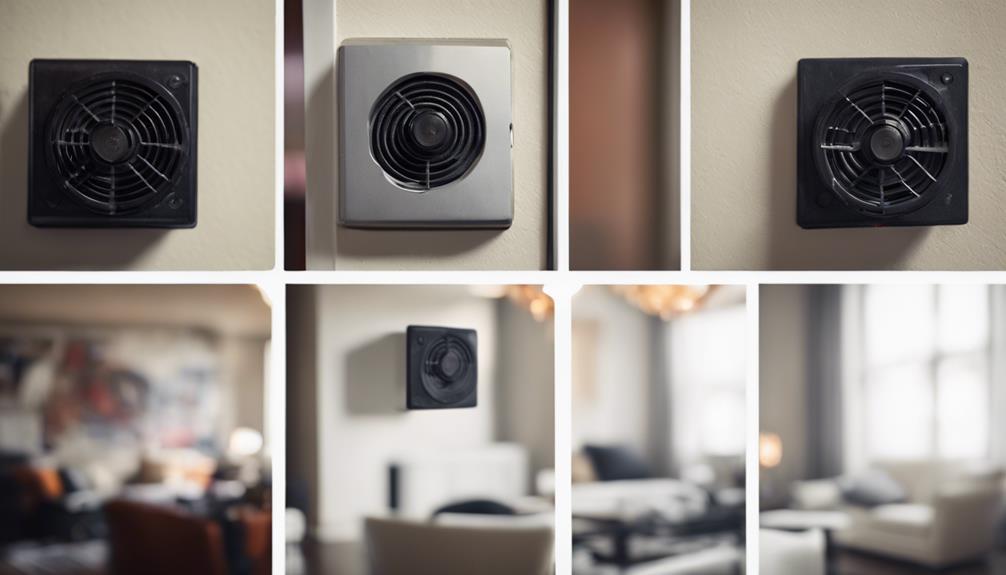

AC vent spy cameras are designed to fit discreetly into or near ventilation grilles while recording activity in a selected area. Their compact appearance can make them less noticeable than a conventional security camera, but discreet placement also creates important privacy and legal responsibilities.
If you are comparing AC vent camera options, focus on image quality, recording methods, installation requirements, remote access, and the laws that apply to surveillance in your location. The best choice depends on whether you need occasional recording, motion-triggered alerts, or continuous viewing from another device.
Key Features to Compare
Discreet, practical design
An AC vent camera should fit securely without obstructing airflow or appearing out of place. Check the camera’s dimensions, mounting method, and ventilation compatibility before purchasing. A poor fit can make installation difficult, reduce the viewing angle, or draw unwanted attention.
Consider whether the camera is intended for a ceiling, wall, or standard vent position. The surrounding grille and the direction of the vent can affect what the lens can see, so a discreet design alone does not guarantee useful coverage.
Video and audio quality
Clear video is essential when a recording may need to show faces, movements, or other details. Compare the advertised resolution, lens angle, low-light performance, and image quality under the lighting conditions where the camera will be used. A wide viewing angle can cover more space, but it may make subjects appear smaller in the frame.
Some cameras also include microphones. Audio recording deserves particular caution because recording conversations may be subject to stricter rules than recording images. If sound is not necessary for your legitimate security purpose, disabling the microphone can reduce privacy risks.
Motion detection and recording options
Motion detection can help limit recordings to periods when activity occurs. It may also send an alert when movement is detected, depending on the camera’s software and connection requirements. Before choosing a model, check whether motion zones, sensitivity controls, and notification settings are available.
Also review how footage is stored. Possible arrangements include local storage, a connected recorder, or an online account. Understand how long recordings are retained, how they are deleted, and who can access them. Storage capacity and recording duration can vary considerably between devices.
Remote viewing
Remote monitoring can allow an authorised user to view a live feed from a smartphone, tablet, or computer. This feature is useful when you need to check a property while away, but it also introduces account and network-security considerations.
- Use a strong, unique password for the camera account.
- Enable multi-factor authentication if the service supports it.
- Keep the camera firmware and mobile application updated.
- Limit access to people who genuinely need it.
- Review account permissions and connected devices regularly.
Installation and Positioning
Follow the manufacturer’s installation instructions and avoid placing the camera where it could interfere with electrical components, ventilation, or maintenance access. Test the viewing angle before permanently securing the unit. Check the image during both daytime and nighttime conditions, since shadows, glare, and an obstructed lens can reduce the usefulness of recordings.
A reliable power source and network connection may also be required. If the camera depends on Wi-Fi, signal strength at the installation point should be tested in advance. Keep cables neat and secure, and avoid modifications that could damage the vent or create a safety hazard.
Privacy and Legal Considerations
Covert monitoring should never be treated as a way to record people without proper authority. Laws differ by location and may regulate video surveillance, audio recording, workplace monitoring, access to private areas, and the retention or sharing of footage.
Before installation, identify who may be recorded and whether consent, notice, or other safeguards are required. Avoid bedrooms, bathrooms, changing areas, and other places where people reasonably expect privacy. In a home or workplace, clear policies and visible security cameras may be more appropriate than concealed equipment.
How to Choose Responsibly
Rather than selecting a camera solely because it is difficult to notice, compare models according to their legitimate security purpose, image performance, storage controls, installation requirements, and privacy protections. A camera that provides dependable footage while limiting unnecessary recording is generally more useful than one with features you do not need.
AC vent spy cameras can offer discreet monitoring, motion-based recording, and remote access, but those capabilities should be used lawfully, securely, and proportionately. Check local requirements before recording, inform affected people when required, and protect any footage you collect.