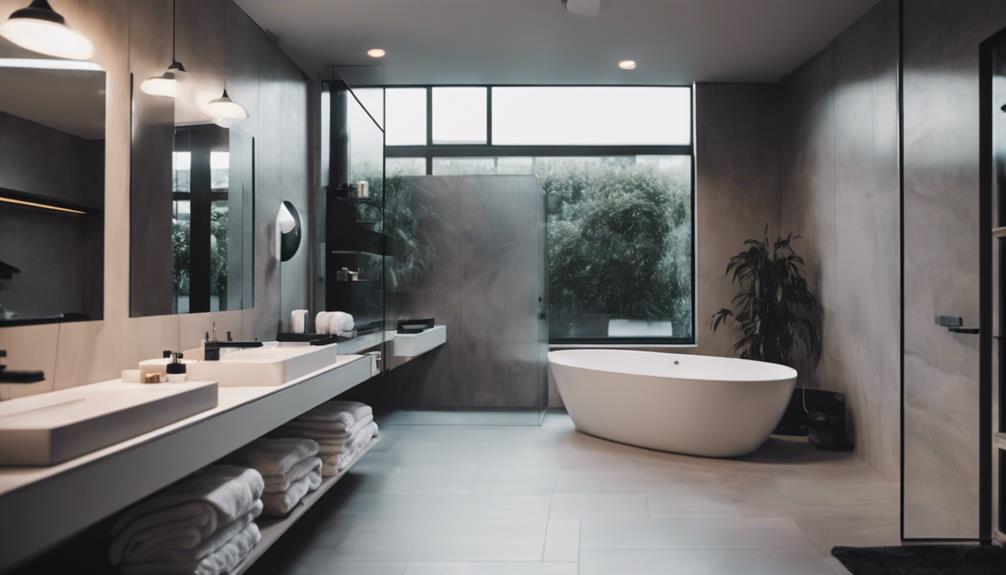

Bathrooms are among the most private areas in a home, workplace, rental property, or accommodation. That makes concealed recording especially intrusive and legally risky. Rather than choosing a hidden bathroom camera, use security measures that protect the property without capturing people in a private space.
Why concealed bathroom cameras are a serious privacy issue
Recording someone in a bathroom without their informed consent may violate privacy, surveillance, or criminal laws, depending on where the recording takes place and who is being recorded. Even owning a small Wi-Fi camera, motion-activated device, or camera disguised as an everyday object does not make its use lawful.
Bathrooms also create a heightened expectation of privacy. A camera that records video, audio, or both can expose highly sensitive information and create significant risks if footage is accessed, copied, shared, or stolen. Facial recognition and remote access do not solve this problem; they can increase the amount of personal data being collected.
Safer alternatives to a bathroom spy camera
If the goal is to protect a property, identify maintenance problems, or check whether an area is occupied, consider security tools that do not record people in a private room:
- Visible cameras outside the bathroom: A clearly disclosed camera can monitor an entrance, hallway, or other appropriate area while avoiding views into the bathroom.
- Door and occupancy sensors: Contact sensors, motion sensors, or approved occupancy devices can indicate activity without producing a video record.
- Water-leak detectors: These can alert a property owner to leaks, flooding, or overflowing fixtures without monitoring bathroom users.
- Lighting and access controls: Timers, smart switches, privacy locks, and access logs may address security concerns without surveillance inside the room.
- Visible emergency systems: In settings where assistance is needed, use a clearly identified alert button or call system designed for that purpose.
What to look for in a lawful security setup
For cameras placed in permitted areas, prioritize transparency and data protection over concealment. A suitable system should have a clear purpose, a limited field of view, and controls that restrict access to authorized users. Motion detection may reduce unnecessary recording, while encrypted storage and secure account settings can help protect footage from unauthorized access.
High-resolution video, night vision, long battery life, and Wi-Fi connectivity are useful only when the camera is installed in an appropriate location. These features should not be used to justify recording a private room or to make a hidden device harder for people to discover.
Before installing any camera
Check the laws and rules that apply to your location, property, and relationship with the people who may be recorded. Requirements can differ for homes, workplaces, rental properties, hotels, shared accommodation, and public-facing businesses. Audio recording may be subject to additional restrictions.
Use these precautions:
- Do not place a concealed camera in a bathroom, changing area, bedroom, or similar private space.
- Tell affected people when a camera is operating and explain its purpose.
- Keep the camera pointed only at the area that genuinely needs protection.
- Disable audio unless it is clearly lawful and necessary.
- Use strong passwords, current device security settings, and limited user access.
- Set a short retention period and delete footage that is no longer needed.
- Never share sensitive recordings casually or use them for purposes unrelated to the stated security need.
Choosing privacy-respecting protection
The best bathroom security solution is usually not a bathroom spy camera. A visible camera outside the room, combined with sensors, leak detection, appropriate locks, and clear policies, can address many practical security concerns without turning a private space into a surveillance zone.
When in doubt, seek advice from a qualified privacy or legal professional before installing any recording equipment. Security should reduce risk—not create a new risk for the people who use the space.