
A bedroom is one of the most private areas in a home, so choosing a surveillance camera requires more than comparing image quality and price. A camera should be used only for a legitimate security purpose, placed where people have been informed when appropriate, and operated in accordance with local privacy and recording laws.
The options below are based on the camera styles commonly considered for discreet home monitoring. Some are better suited to visible, consent-based security than others. Hidden cameras and audio recording can create serious privacy and legal problems, particularly in bedrooms, bathrooms, guest rooms, or shared homes.
What to consider before choosing a bedroom camera
- Purpose: Decide whether you need to check on an entrance, protect valuables, monitor a sleeping child, or verify activity while you are away.
- Privacy: Avoid recording anyone who has not agreed to surveillance, and never use a camera where people reasonably expect complete privacy.
- Audio: Microphones may be subject to stricter rules than video. Disable audio unless it is necessary and lawful.
- Security: Use strong, unique account credentials and secure the camera’s app, network connection, and stored footage.
- Power and storage: Check whether the camera needs continuous power and whether recordings are stored locally, remotely, or both.
Seven bedroom camera options to compare
1. Compact wireless camera
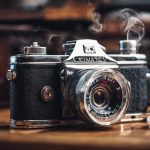
A compact wireless camera can be positioned on a shelf, dresser, or other suitable surface without requiring complicated installation. Many models are designed for remote viewing through a phone or computer, which can be useful when checking a room from another part of the home.
Choose a model with clear setup instructions, reliable account security, and a way to disable the camera when monitoring is not needed. A visible placement is usually the clearest way to signal that recording may take place.
2. Night-vision motion camera
If nighttime activity is the main concern, look for a camera with low-light or night-vision capability and adjustable motion detection. Sensitivity controls can help reduce unnecessary alerts caused by normal movement, pets, or changes in lighting.
Position the camera so it covers a doorway or another relevant area rather than pointing directly at a bed. This approach can provide useful security coverage while limiting the amount of private activity recorded.
3. Clock-style camera
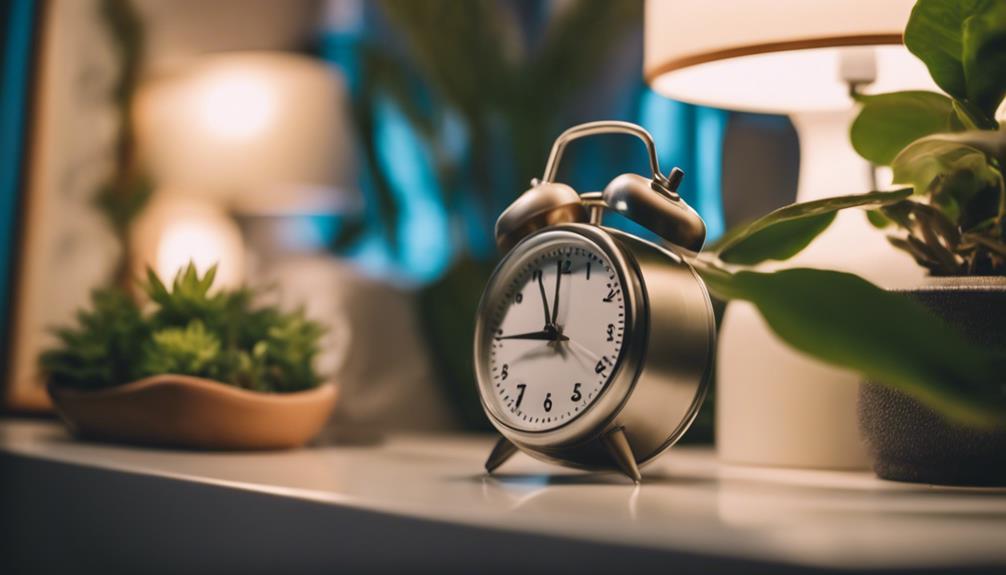
A camera built into a clock may blend into ordinary room furnishings, but concealment makes this category especially sensitive. Do not use a clock camera to record guests, partners, roommates, or household workers without clear permission.
If a clock is useful as a camera location, a clearly disclosed device with an indicator light or visible lens is a safer choice. Prioritise video quality, motion alerts, and secure storage over concealment.
4. USB charger camera
USB charger cameras are designed to resemble ordinary charging accessories. Their everyday appearance can make them difficult for others to identify, creating substantial privacy concerns. They should not be used for covert recording in a bedroom or any other private space.
A standard security camera placed openly near a charging area is a more responsible alternative. Never leave an unfamiliar charger connected in a shared or guest room for the purpose of secretly recording people.
5. Mini camera with audio
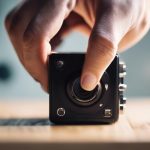
Mini cameras are portable and easy to place, while built-in microphones can capture conversations as well as video. Audio recording may require consent from one or more people, depending on local law, so this feature should be disabled unless you have confirmed that its use is permitted.
For most household security needs, video-only monitoring aimed at an entry point provides a better balance between security and privacy.
6. Wall-clock camera
A wall-clock camera can provide a broad view from an elevated position and may be less obtrusive than a camera on a desk. However, the same privacy concerns apply if the device is designed to conceal recording.
Use a visible wall-mounted camera instead, and angle it toward doors, windows, or valuables. Avoid positioning it where it captures intimate activities unnecessarily.
7. Smoke-detector-style camera
A smoke-detector-style camera is often marketed as a dual-purpose device. A camera should never be installed in place of a functioning smoke detector or in a way that interferes with fire safety equipment.
If fire protection is the goal, use a proper smoke detector. If security monitoring is needed, install a separate, clearly identified camera in an appropriate location. Combining the two functions can make maintenance, testing, and privacy expectations less clear.
A safer setup for bedroom monitoring
For most homes, a visible camera aimed at the doorway or another access point is preferable to a hidden bedroom camera. Use motion zones to exclude the bed and other private areas, turn off audio when it is unnecessary, and set a short retention period for recordings. Tell household members and visitors about the camera, and review local rules before recording.
Final buying advice
The best bedroom camera is not necessarily the smallest or most concealed. Choose one that serves a specific security purpose, protects recorded data, and can be disabled easily. If discreet monitoring is essential, obtain informed consent and get appropriate legal advice before installing any device capable of recording video or audio.