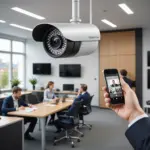

A decoy camera, also called a dummy or fake security camera, is designed to look like a working surveillance device without recording or transmitting video. It can provide a visible deterrent at a relatively low cost, but it cannot replace a real camera, alarm, or access-control system. Used carefully, a decoy can support a broader security plan in homes, shops, workplaces, and temporary locations.
What is a decoy camera?
Most decoy cameras are nonfunctional housings made to resemble familiar dome, bullet, or outdoor security cameras. Some include features such as a blinking infrared-style light, a simulated motion response, or a housing that appears to rotate. These details are intended to make the device look active, but they do not create usable footage.
The distinction between appearance and capability is important. A decoy cannot identify an intruder, verify an incident, provide evidence, or allow remote monitoring. Anyone responsible for protecting people or property should know exactly which devices record and which do not.
Where decoy cameras may be useful
A visible dummy camera is most suitable when the goal is to discourage opportunistic misconduct rather than document an event. Possible applications include:
- Homes: A decoy positioned near an entrance, driveway, or other visible approach may make a property appear less attractive to casual thieves.
- Small businesses: A visible device near entrances, checkout areas, or merchandise displays can support a general loss-prevention strategy.
- Shared or managed properties: In suitable common areas, a decoy may contribute to a visible security presence, provided residents, tenants, and visitors are not misled about actual monitoring.
- Temporary locations: Pop-up shops, short-term events, and other spaces may use decoys where a permanent surveillance installation is impractical.
They are less appropriate wherever people need reliable monitoring, recorded evidence, emergency verification, or protection from serious threats. In those situations, use properly installed real cameras and other security measures.
What makes a decoy look convincing?
Realism depends on more than the camera housing. Choose a style that fits the building and surrounding equipment. A commercial-looking dome may seem out of place on a small residence, while an oversized outdoor bullet camera can look implausible in a narrow indoor space.
Mount the device in a conventional location, such as above an entrance or facing a visible approach. A secure bracket, suitable weather protection, and tidy cable routing can make the installation look more credible. Avoid placing the camera where it is obviously unreachable, poorly aligned, loose, or inconsistent with the rest of the property.
Some products use flashing lights or motion-activated effects. These may attract attention, but an exaggerated or continuously blinking light can also make the device look artificial. The priority should be a discreet, plausible installation rather than unnecessary features.
Legal and ethical considerations
Rules concerning surveillance, privacy, employment, housing, and disclosure vary by location. A dummy camera may not record anything, but its presence can still affect how people understand their privacy and safety. Before installation, check applicable local requirements and any workplace, tenancy, building, or property-management policies.
Never use a decoy camera in bathrooms, changing areas, bedrooms belonging to others, or other places where people reasonably expect privacy. Even a nonworking device can be intimidating or inappropriate in such settings. In workplaces and shared properties, clear policies or notices may be preferable to creating an uncertain impression of monitoring.
Do not suggest that a location is actively monitored when it is not, especially if residents, staff, customers, or visitors might rely on that claim during an emergency. A decoy should support sensible security measures, not create a false sense of protection.
Benefits and limitations
Potential benefits
- Usually costs less than a complete recording system.
- Can be simple to install and requires little ongoing maintenance.
- Provides a visible security presence in places where a real system is not yet practical.
Important limitations
- It produces no footage, alerts, or reliable record of events.
- A knowledgeable person may identify it as a dummy device.
- It cannot help investigate theft, vandalism, disputes, or emergencies.
- Relying on decoys alone leaves major gaps in security coverage.
How to use one responsibly
Think of a decoy as one layer in a broader plan. Where evidence or live awareness matters, place real cameras at critical points and configure them in accordance with applicable privacy requirements. Consider combining them with adequate lighting, locks, alarms, access controls, and clear operating procedures.
Inspect the decoy periodically to ensure it remains secure, clean, and correctly aimed. Replace damaged parts and remove the device if it becomes misleading, intrusive, or inconsistent with your security policy. A decoy camera can be a reasonable deterrent, but its value depends on honest expectations, appropriate placement, and the presence of real protection where it is actually needed.