
Fujifilm digital cameras combine compact designs, distinctive controls, and strong image quality across a wide range of models. From pocket-sized FinePix cameras to interchangeable-lens X series bodies, the brand offers options for everyday photography, travel, vlogging, wildlife observation, and other situations where portability matters.
Fujifilm cameras are also known for film simulation modes that provide attractive colour and contrast without requiring extensive editing. Their physical dials and straightforward controls appeal to photographers who want a more hands-on experience, while wireless connectivity on selected models can simplify image transfer and remote control.
Why choose a compact Fujifilm camera?
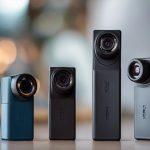
A smaller camera is easier to carry, position, and use without the bulk of a professional setup. This can be useful for travel, street photography, field documentation, and video creation, provided the camera is used openly and with respect for people’s privacy. Compact equipment is also convenient when space, weight, or attention are important practical considerations.
Fujifilm’s range includes simple point-and-shoot cameras, fixed-lens premium models, bridge-style designs, and mirrorless cameras with interchangeable lenses. The right choice depends less on the brand name alone than on the way you plan to use the camera.
Features worth comparing
Before buying, focus on features that support your particular workflow rather than relying only on headline specifications.
- Sensor and image quality: A larger sensor generally provides greater flexibility in dim conditions and more control over background blur. Compact cameras can still produce excellent results in good light while remaining easier to carry.
- Lens design: A fixed lens keeps a camera simple and portable. An interchangeable-lens model offers more flexibility for portraits, landscapes, wildlife, and distant subjects.
- Low-light performance: Consider the sensor, lens aperture, image stabilisation, and autofocus performance together. These factors affect how successfully the camera handles indoor or evening scenes.
- Autofocus and burst shooting: Responsive autofocus and continuous shooting are useful for moving subjects, family events, sports, and wildlife observation.
- Video and audio: If the camera will be used for vlogging or interviews, check video resolution, stabilisation, screen movement, microphone support, and headphone monitoring where available.
- Battery and storage: Longer sessions may require spare batteries, a suitable memory card, or an approved continuous-power solution. Check compatibility before purchasing accessories.
- Connectivity: Wi-Fi or Bluetooth can make it easier to transfer photographs or control selected functions from a connected device, depending on the model.
Which Fujifilm type suits your needs?
FinePix and other compact cameras
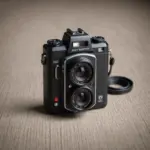
Older FinePix and similar compact models can be attractive to buyers seeking an inexpensive, simple camera. They are suitable for casual photography, basic travel documentation, and creative projects where a small profile is more important than advanced controls. Used examples should be checked carefully for battery condition, lens operation, screen damage, and included accessories.
Fixed-lens premium cameras
The X100 line is recognised for combining a compact body and fixed lens with a more advanced photographic experience. A fixed lens encourages a consistent way of working and keeps the kit uncomplicated, although it is less flexible than a zoom or interchangeable-lens system.
X series mirrorless cameras
An X series mirrorless body is a better fit when you need to change lenses, improve low-light performance, or build a system for different subjects. A small lens can keep the kit portable, while telephoto options are useful for wildlife and distant details. Mirrorless cameras also tend to offer more control over exposure, focus, and video settings than basic point-and-shoot models.
Using a Fujifilm camera for responsible documentation
For vlogging, field notes, home projects, or legitimate monitoring of your own property, plan the setup around stable mounting, reliable power, adequate storage, and clear framing. A tripod or approved mount is safer and more predictable than placing a camera where it could fall or be damaged. If sound matters, use a compatible external microphone and test levels before recording.
Not every Fujifilm camera includes features associated with dedicated security equipment, such as motion-triggered recording, loop recording, or continuous remote monitoring. A camera may therefore be better suited to scheduled photography, supervised video, or short recording sessions than to unattended security work. For continuous monitoring, a purpose-built security device may be more appropriate.
Always follow local laws and venue rules. Do not record people in places where they reasonably expect privacy, and obtain consent when recording identifiable individuals, conversations, or private activities.
Buying tips for new and used Fujifilm cameras
Start by deciding whether your priorities are pocketability, lens flexibility, video, low-light performance, or price. Then compare the exact model number and specifications rather than relying on broad searches such as “cheap Fuji camera” or “Fujifilm camera sale.”
- Inspect used cameras for sensor marks, sticky buttons, damaged ports, and excessive lens wear.
- Confirm that the battery, charger, memory card format, and lens accessories are available.
- Test autofocus, zooming, image stabilisation, flash, video recording, and wireless functions when possible.
- Use reputable sellers with clear return terms or refurbishment guarantees.
- Be cautious with confusing search terms and verify that a listing is actually for a Fujifilm camera.
Whether you choose a compact FinePix model, a fixed-lens camera, or an interchangeable-lens X series body, Fujifilm offers practical ways to balance image quality, portability, and creative control. Matching the camera to your real workflow—and using it responsibly—will matter more than choosing the most expensive model.