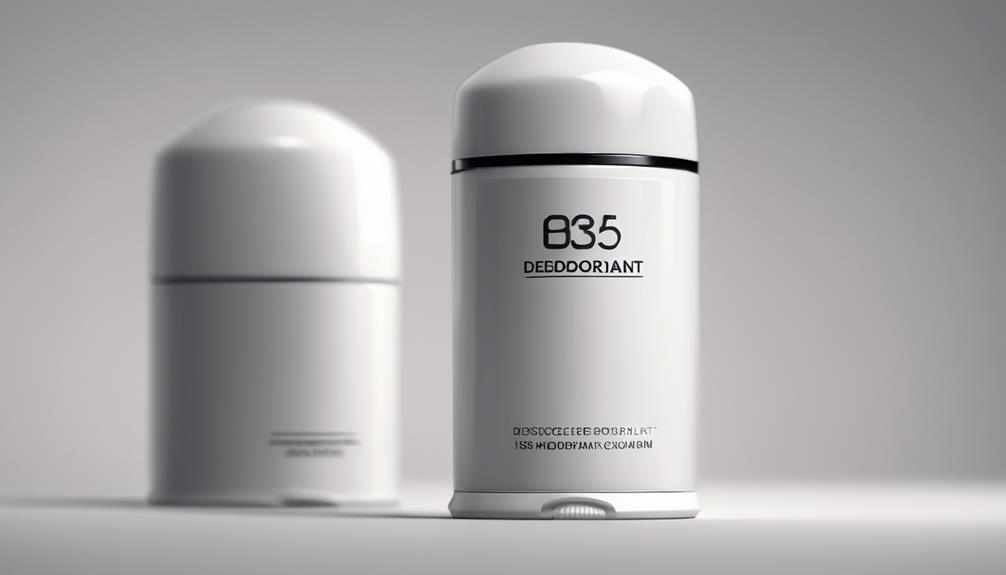

Deodorant-style spy cameras are designed to resemble ordinary personal-care products, making them less conspicuous than conventional security cameras. For some homeowners, this format may suit a discreet monitoring setup in a shared living area, entryway, or other lawful location. However, a hidden camera is only useful when it is chosen carefully, installed responsibly, and used with respect for privacy.
Rather than focusing only on the disguise, evaluate the camera’s recording quality, power arrangements, storage, placement, and legal implications. These five considerations can help you decide whether a deodorant-style camera is appropriate for your home security needs.
1. Check the camera’s real purpose
A concealed camera can provide an additional way to observe activity in a particular area, but it should not be treated as a complete security system. It may help document activity near an entry point or monitor a common room, while visible cameras, alarms, strong locks, and good lighting can provide other important layers of protection.
Before buying, identify the specific problem you want to solve. You may want to check an entrance when you are away, keep an eye on a common area, or confirm whether a package has been disturbed. A clear purpose makes it easier to choose a suitable location and avoid recording more of your home than necessary.
2. Examine image quality and viewing angle
The small size of a deodorant-style camera can make placement convenient, but compact designs may involve trade-offs. Review the available specifications carefully rather than assuming that a disguised camera will provide the same coverage as a full-sized security model.
- Resolution: Clearer video is more useful for identifying what happened, particularly in a busy room or near a doorway.
- Viewing angle: A wider angle can cover more space, but positioning still matters and wide views may make distant details harder to see.
- Low-light performance: Check whether the camera is intended to work in dim conditions and whether its night mode could attract attention.
- Motion detection: Recording only when activity is detected may reduce unnecessary footage, provided the feature works reliably in the intended location.
3. Plan power and video storage
A hidden device is not useful if its battery runs out or its storage fills without warning. Determine how it is powered and how recordings are saved before installing it. Battery operation may simplify placement, while a wired connection can reduce the need for frequent charging but may make the device easier to notice.
Also consider whether footage is stored on a memory card, another local device, or an online service. Look for clear information about recording limits, file access, account security, and what happens when storage is full. Use strong, unique account credentials where applicable, and keep any connected application or device updated according to the manufacturer’s instructions.
4. Choose placement carefully
Placement affects both usefulness and privacy. A deodorant-style camera should be positioned so that it observes only the area relevant to your stated security purpose. Test the view before relying on it, checking for blocked sightlines, glare, reflections, and poor lighting.
Do not place hidden cameras in bathrooms, bedrooms, changing areas, or other spaces where people reasonably expect privacy. Avoid pointing the device through windows at neighbours or public areas. If other people live in or regularly visit the property, consider how recording will affect them and provide notice or obtain consent when appropriate.
5. Understand privacy and recording rules
Laws governing video and audio recording differ by location. Video recording in a private home is not automatically lawful in every circumstance, especially when guests, tenants, employees, children, or service providers may be captured. Audio can be subject to separate and stricter consent requirements.
Before using a concealed camera, check the rules that apply where you live. Disable audio if it is unnecessary, avoid recording private conversations, and do not use the device to harass, track, or secretly monitor someone in an intimate or confidential setting. When in doubt, seek local legal advice.
Use discreet monitoring responsibly
A deodorant spy camera may offer a subtle option for monitoring a carefully selected area, but concealment should never replace sound security planning. Define the purpose, verify the device’s capabilities, secure the recordings, and respect the privacy of everyone who may be filmed. Used lawfully and thoughtfully, a small camera can complement—not replace—ordinary home security measures.