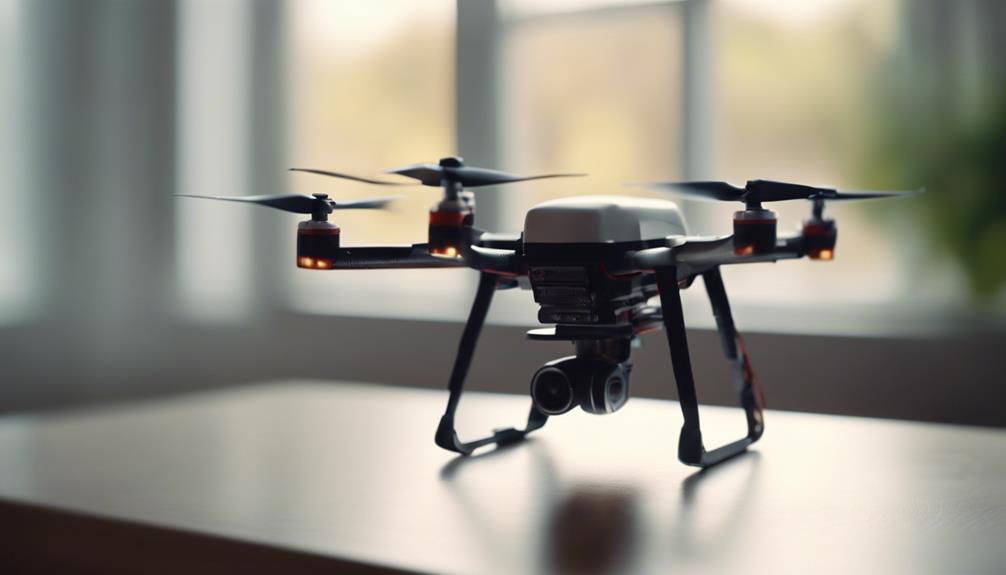

Fly spy cameras represent a specialised form of compact aerial surveillance technology. Designed to collect images or video from the air while remaining small and relatively unobtrusive, these devices are associated with security monitoring, industrial inspection and other situations where a conventional camera may not provide a practical viewpoint.
The phrase “fly spy camera” can describe a small flying camera platform rather than one single type of product. Its capabilities vary by design, but the central idea is the same: combine aerial movement with image and sensor technology to observe areas that may be difficult, unsafe or inconvenient to reach directly.
From Traditional Surveillance to Compact Aerial Devices
Surveillance has developed from simple observation methods, such as watchtowers and patrols, into systems capable of recording, transmitting and analysing visual information. CCTV and digital monitoring expanded the ability to observe fixed locations, while smaller mobile devices introduced a different advantage: the camera itself can change position.
A flying camera can provide a view above obstacles, access narrow or restricted spaces, and cover an area without installing permanent equipment. This mobility can complement established security systems, but it does not eliminate the need for human oversight, clear operating procedures or respect for privacy.
Compact Design and Discreet Operation
Small size is one of the defining characteristics of a fly spy camera. A compact design can make the device easier to manoeuvre and better suited to locations where a larger aircraft or fixed camera would be impractical. It may also reduce the visual impact of monitoring, which is useful for controlled observation but raises important ethical questions when people are unaware that recording is taking place.
Discreet operation should not be confused with unrestricted or secret surveillance. In a legitimate deployment, the equipment should be used for a clearly defined purpose, within an authorised area and under rules that protect individuals who may appear in the footage. The smaller and less noticeable the device is, the more carefully its use should be governed.
Video and Sensor Capabilities
Fly spy cameras may combine several functions to improve the usefulness of aerial observation:
- High-resolution video: Detailed footage can help operators examine objects, equipment or locations from a distance.
- Remote control: An operator can guide the device and adjust its position to obtain a more useful viewpoint.
- Night-vision capability: Suitable equipment can support observation when visible light is limited.
- Thermal imaging: Some systems use heat-based imaging to provide information that ordinary video may not show.
- Live monitoring: A transmitted video feed may allow authorised personnel to assess a situation while the device is operating.
These features should be evaluated against the intended task rather than treated as interchangeable upgrades. A system selected for an industrial inspection may have different requirements from one used for perimeter monitoring, and image quality alone does not determine whether a device is appropriate.
Practical Applications
Security monitoring
In security settings, a compact flying camera may provide an additional view of sensitive or difficult-to-monitor areas. It can support authorised personnel by helping them assess a location, observe activity or review conditions without immediately sending a person into a potentially hazardous space. It should supplement, not automatically replace, established security procedures.
Industrial inspection
Industrial environments often contain confined, elevated or awkward spaces. A small aerial camera can assist with visual checks of structures and equipment, helping inspectors identify visible concerns such as cracks, leaks or other signs of damage. This can reduce the need for an immediate close approach, although important findings still require appropriate professional assessment.
Documentation and assessment
Aerial footage can also support site documentation, incident review and condition assessments. Its value depends on the quality of the recording, the reliability of the operator and the way the resulting data is stored and interpreted.
Privacy, Safety and Legal Responsibilities
The ability to observe discreetly creates responsibilities that are just as important as the camera’s technical performance. Before deployment, an organisation should identify the purpose of monitoring, define where recording is permitted and determine who may access the footage.
- Obtain appropriate authorisation before operating the device.
- Follow applicable privacy, surveillance, aviation and workplace rules.
- Notify affected people where disclosure is required or reasonably appropriate.
- Limit recording to information relevant to the stated purpose.
- Protect stored footage and establish a clear retention and deletion policy.
- Review deployments regularly through audits or other accountability measures.
Responsible use requires more than compliance after a problem occurs. Privacy impact assessments, operator training and documented procedures can help organisations balance legitimate monitoring needs with the rights and safety of individuals.
Conclusion
Fly spy cameras bring together compact aerial movement, video recording and sensor technology in a format suited to selected monitoring and inspection tasks. Their ability to reach unusual viewpoints can improve situational awareness and reduce exposure to difficult environments. At the same time, discreet observation can affect privacy and create legal obligations. The most effective deployment is therefore not simply the smallest or most advanced one, but the system used for a specific, authorised purpose with appropriate safeguards.