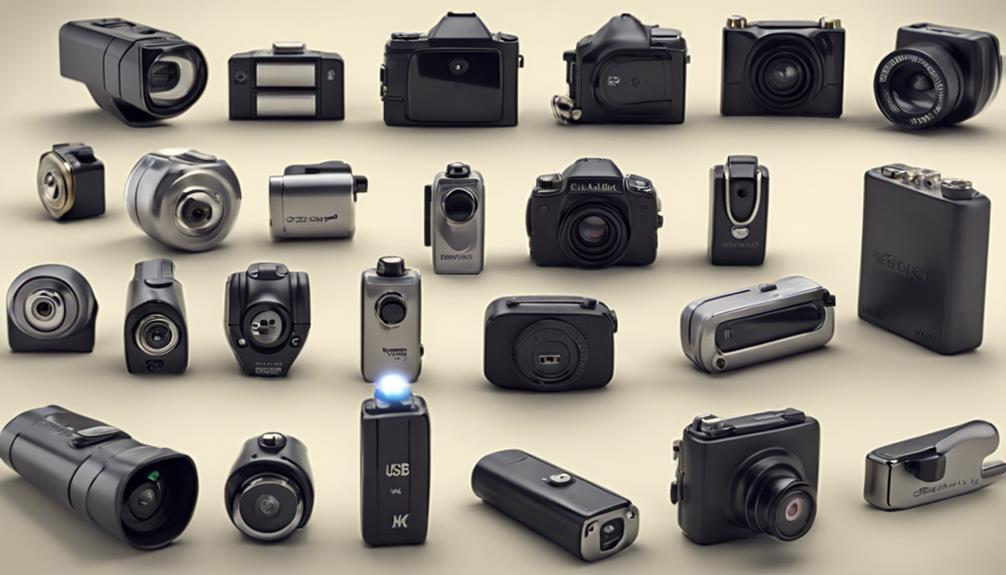

A hidden camera and microphone detector can help you check hotel rooms, rental properties, offices, and other private spaces for signs of unauthorized recording. These tools are most useful when combined with a careful visual inspection and sensible network-security checks. They cannot find every device, but understanding how they work can help you choose the right detector and use it more effectively. Explore detector app features that explain how various camera-related applications integrate with detection hardware.
How hidden-device detectors work
Consumer detectors generally rely on one or more detection methods. Each method looks for a different characteristic of a concealed camera or microphone:
- RF detection: Radio-frequency scanners look for wireless transmissions from devices sending audio or video to another receiver. They may respond to other nearby electronics, including routers, phones, Bluetooth equipment, and wireless accessories.
- Optical lens detection: These tools shine or project light into an area and help reveal the reflection from a camera lens. They are particularly useful for checking small openings and objects with a direct view of the room.
- Thermal inspection: Thermal imaging can sometimes reveal heat produced by operating electronics. It is generally more useful as part of a broader inspection than as a stand-alone method.
- Wired-device inspection: Some specialized equipment is designed to help identify unusual electrical signals or wiring associated with concealed microphones and other devices.
- Network checks: Reviewing the devices connected to a home or office router can help identify unfamiliar cameras, microphones, or other smart devices communicating over the local network.
Using more than one method is helpful because a device may be wireless, wired, inactive, or recording locally rather than transmitting information.
Where to look for recording devices
Begin with a calm, methodical visual inspection. Look at objects that have a clear view of beds, seating areas, desks, changing areas, or meeting spaces. Common items to examine include:
- Smoke detectors and alarm units
- Digital clocks and decorative objects
- Power adapters, USB chargers, and extension blocks
- Picture frames, shelves, and wall fixtures
- Air purifiers, speakers, and other electronics
- Unfamiliar holes, loose fittings, or objects that appear out of place
A flashlight can assist with lens inspection. Slowly shine it across suspicious areas from different angles and watch for a small, sharp reflection that does not match the surrounding surface. This technique works best when you inspect the room carefully rather than relying on a quick sweep.
How to perform a basic sweep
1. Inspect the room visually
Start with the most private areas and identify anything unfamiliar, modified, or positioned to capture a useful view. Do not dismantle electrical equipment or fixtures unless you are qualified to do so.
2. Use the optical function
Darken the room if the detector instructions recommend doing so, then scan likely camera positions slowly. Check from several angles, since a lens may only reflect light when viewed from a particular direction.
3. Scan for wireless signals
Move an RF detector gradually around furniture, walls, power sources, and suspected objects. A changing signal may indicate a nearby transmitter, but it does not prove that the source is a recording device. Temporarily switching off known electronics can make an unexpected signal easier to investigate. Al buscar dispositivos de vigilancia, compara las cámaras solares WiFi y verifica también posibles micrófonos ocultos.
4. Review the local network
Log in to the router or use its connected-device list to review equipment currently communicating with the network. Compare unfamiliar names or addresses with the devices you own. This check will not find equipment that is offline, wired separately, using another network, or recording without transmitting.
5. Document anything unusual
If you find an unfamiliar device, wiring, or network connection, record its location and take photographs before moving it. Avoid damaging or handling suspected equipment unnecessarily, particularly if the situation may require a landlord, employer, security specialist, or law-enforcement investigation.
Choosing a detector
The right tool depends on the situation. A traveler may value a compact optical lens finder and a basic RF scanner. Someone checking a home network may benefit more from router-audit features and tools that identify connected devices. More advanced equipment may combine RF analysis, thermal inspection, and other methods for larger offices or higher-risk environments.
When comparing products, consider portability, battery life, controls, signal sensitivity, and how clearly the device explains alerts. A detector that produces frequent false alarms or is difficult to operate may be less useful than a simpler tool used carefully. Read the instructions and understand what the device can and cannot detect.
Important limitations
No consumer detector provides complete assurance. An RF scanner may miss a camera that stores footage locally, while an optical tool may not reveal a lens hidden behind an unsuitable surface. Wired devices, low-power transmitters, inactive equipment, and devices using an unfamiliar network can also evade a basic sweep.
Consider professional technical-surveillance assistance if you discover suspicious wiring, unexplained network activity, or equipment you cannot identify, or if you have an ongoing and specific privacy concern. A professional inspection can go beyond the capabilities of a consumer detector.
Privacy habits that complement detection
- Change default passwords on routers and smart devices.
- Review connected devices periodically and remove equipment you do not recognize.
- Cover unused webcams when they are not needed.
- Limit access to your home or office network.
- Perform a brief visual check when entering an unfamiliar rental or hotel room.
- Keep notes and photographs if you believe a privacy violation may need to be investigated.
A hidden camera and microphone detector is best viewed as one part of a broader privacy routine. Careful inspection, network awareness, and professional help when appropriate provide a more reliable approach than depending on a single device or signal reading.