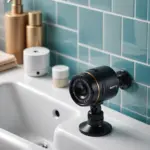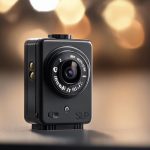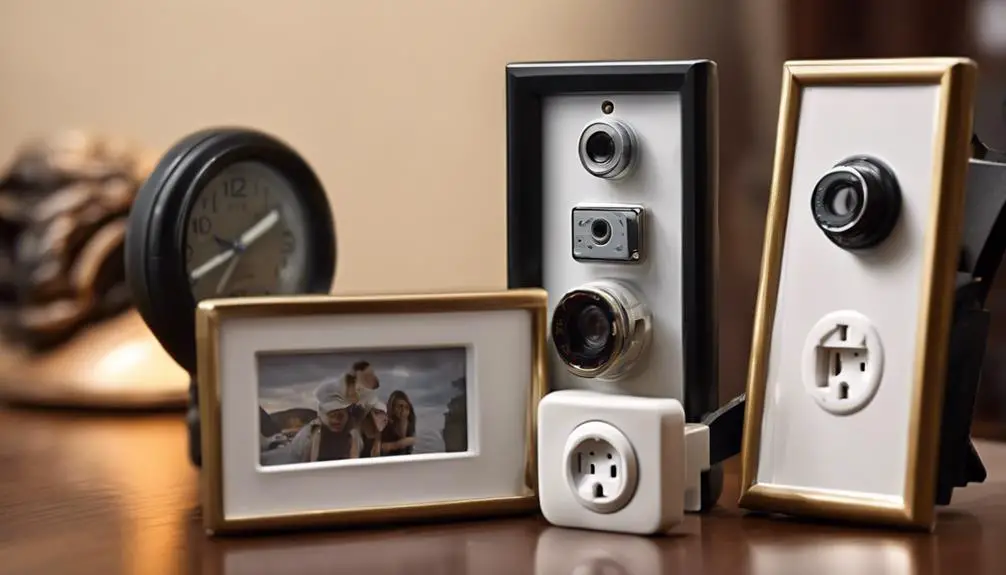

Some security cameras are designed to blend into ordinary household objects rather than stand out as dedicated surveillance equipment. A charger, clock, picture frame, or power strip can fit more naturally into a room, which may be useful when you want to monitor your home without adding bulky hardware to the decor.
Discreet cameras should be used responsibly. Check the laws that apply where you live, respect household members and visitors, and do not place cameras in areas where people reasonably expect privacy. Recording audio can be subject to additional restrictions, so review the device settings and local requirements before use.
1. USB Charger Camera
A USB charger camera combines a familiar charging accessory with a compact camera. Its ordinary appearance can make it less visually distracting than a conventional security camera, while motion detection may help capture activity when movement occurs.
Some models also offer remote viewing, allowing an authorised user to check the monitored area from a phone or computer. This design may suit a room where a USB charger would already be expected, such as a home office or living area. Before installing one, confirm that the charger remains safe to use and that the camera’s viewing angle covers the intended space.
2. Wall Clock Camera
A wall clock camera incorporates surveillance hardware into a functional timepiece. Because clocks are common in living rooms, offices, and hallways, the device can blend with existing furnishings more easily than a standalone camera.
When choosing a location, consider the clock’s height, the direction it faces, and possible obstructions such as furniture or glare from windows. Depending on the model, features may include motion detection or low-light recording. The clock should still be easy to read and securely mounted without creating a hazard.
3. Outlet Camera
An outlet-style camera is designed to resemble a wall power outlet while providing a fixed view of the surrounding area. Its discreet form can be useful where a visible camera would be distracting, but installation requires particular care.
Never compromise electrical safety for concealment. Use a properly rated product, follow the manufacturer’s instructions, and avoid modifying household wiring unless the work is performed by a qualified professional. A camera that only looks like an outlet but is not intended to function as one may be a safer option than a device connected to mains power.
4. Smoke Detector-Style Camera
A smoke detector-style camera places the lens inside an object normally mounted near the ceiling. This position can provide a broad view of a room, while the familiar shape may fit more naturally into the space than a conspicuous camera.
Do not replace or obstruct a working smoke detector for the sake of surveillance. Fire protection must remain fully functional, and everyone in the property should understand which device provides smoke detection. If a camera is installed near a detector, ensure it does not interfere with alarms, maintenance, or emergency procedures.
5. Picture Frame Camera
A picture frame camera integrates a lens into wall decor. It can be selected to complement the room’s style, with the frame serving a normal decorative purpose while the camera monitors the area in front of it.
Placement is especially important with this design. Keep the frame stable, avoid pointing it toward private spaces, and check the image for reflections caused by glass or strong lighting. A picture frame can be a practical choice for monitoring an entrance, shared living area, or another location where recording is lawful and clearly justified.
6. Bookshelf Speaker Camera
A bookshelf speaker camera combines the appearance of a small speaker with a camera. Its placement on a shelf or media unit can make it fit naturally among other electronics and decor.
Some versions may include audio functions, but audio recording deserves extra caution because consent requirements can differ from those for video. If audio is unnecessary, disable it when possible. As with any camera, position the device toward an appropriate shared area rather than bedrooms, bathrooms, or other private locations.
7. Power Strip Camera
A power strip camera is built into a familiar desk or floor accessory. The design can be convenient for a home office or entertainment area where a power strip would already be in use, while providing a fixed perspective of the room.
Electrical safety should be the first consideration. Look for clear operating instructions, suitable power ratings, and protection against overheating. Keep cables organised and avoid overloading the strip. The camera should also be positioned so that recording is limited to the area you actually need to secure.
How to choose a discreet camera responsibly
- Prioritise safety: Be especially careful with products connected to mains electricity or mounted near fire-safety equipment.
- Check privacy rules: Obtain consent where required and avoid private areas.
- Consider audio separately: Disable sound recording unless it is lawful and genuinely necessary.
- Review access controls: Use strong account credentials and restrict remote viewing to authorised users.
- Test the view: Check lighting, reflections, motion coverage, and storage before relying on the device.
Discreet camera designs can supplement a broader home-security plan, but concealment should never take priority over safety, transparency where required, or respect for personal privacy.