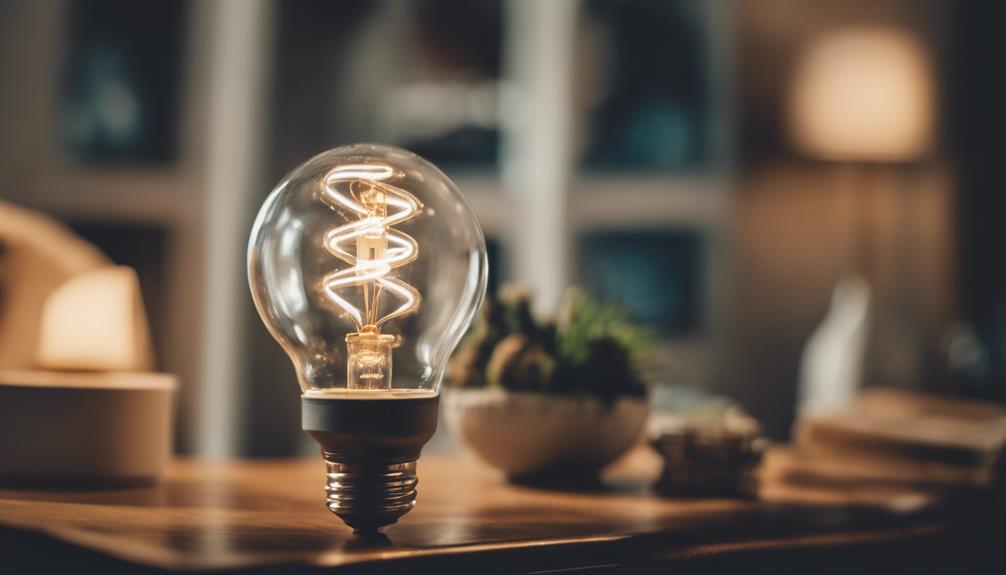

A light bulb camera combines illumination with video monitoring in a form that can blend into an ordinary room. That makes it useful in situations where a conventional camera may be impractical, but discreet design should never replace honesty, consent, or responsible placement. Before installing one, check applicable privacy laws and workplace, childcare, or tenancy rules. Avoid bedrooms, bathrooms, changing areas, and any location where people reasonably expect privacy.
1. Monitor an Entryway or Common Area
A light bulb camera can provide an extra view of a hallway, porch, garage, or other shared area. Depending on the device, you may be able to check a live view, receive motion notifications, or review recorded footage when something unexpected happens.
Position the camera to cover doors and walkways without pointing into a neighbor’s property or a private room. It can complement, rather than replace, good locks, outdoor lighting, and other basic security measures.
2. Check on Pets While You Are Away
Pet owners can use a camera to observe daily routines, activity levels, and behavior when no one is home. A quick check may show whether a pet is resting, pacing, getting into restricted areas, or reacting to sounds outside.
Video can help you notice changes worth discussing with a veterinarian, but it is not a substitute for professional medical advice. Use motion alerts thoughtfully so normal movement does not create an overwhelming number of notifications.
3. Keep an Eye on a Vacation or Unoccupied Property
An internet-connected light bulb camera can offer remote visibility into a vacation home, storage area, or other property that sits empty for long periods. Checking a common room or entrance may help you spot signs of unauthorized access, a door left open, or another problem.
Make sure the camera remains connected, test it before leaving, and arrange a local response plan. A recording alone cannot address a leak, fire, or break-in, so it should be used alongside appropriate alarms, locks, and property checks.
4. Support Care for an Older Family Member
In a shared living area, video monitoring may help family members check whether an older relative is up, moving around safely, or in need of assistance. Two-way audio, if included, can make it possible to communicate without making a phone call.
Discuss the arrangement openly and agree on when monitoring will occur, who can access the footage, and how recordings will be stored. A camera should support personal care—not become the sole method of responding to emergencies.
5. Review a Home Office or Small Business Area
In a business setting, a visible camera may help protect equipment, document activity around an entrance, or review an incident. It can also provide a view of a reception or stock area when staff are not present.
Inform employees, contractors, and visitors about surveillance, define a legitimate purpose, and limit access to recordings. Avoid using a hidden camera to evaluate private conversations or personal behavior. Clear policies are more constructive than covert monitoring.
6. Observe a Babysitter or In-Home Caregiver Responsibly
Parents may want visibility into a child’s routine while they are away. If a camera is used, tell the caregiver that it is present, explain where it is located, and restrict it to appropriate common areas. Do not place cameras in bathrooms, bedrooms used by adults, or other private spaces.
Use monitoring to support communication and safety, not to encourage constant surveillance. Consider local recording and consent requirements, especially when audio is enabled, since audio rules may differ from video rules.
7. Improve Oversight in Classrooms or Daycare Settings
Schools and childcare providers may use cameras for security, incident review, or authorized family access. These settings involve children and staff, so privacy protections, written policies, secure storage, and carefully controlled access are particularly important.
Any deployment should be approved by the responsible institution and follow applicable laws and safeguarding procedures. Cameras should not be used in private care areas, and footage should be retained only as long as there is a clear reason to keep it.
Use the Camera as Part of a Larger Safety Plan
A light bulb camera can add convenience and visibility to a security setup, but its value depends on thoughtful installation. Change default passwords, use available account protections, update the device when required, and check the viewing angle regularly. Most importantly, be transparent with the people being recorded and collect only the footage you genuinely need.