
Mini recording devices can be built into objects such as pens, watches, keychains and USB accessories. Their small size makes them convenient for documenting meetings, interviews, demonstrations or personal notes, but discreet recording also creates serious privacy and legal concerns. Before using any device with a microphone or camera, check the laws in your area and obtain consent where required.
The products below represent common mini spy gadget formats described in the original topic. Not every item is both an audio and video recorder: some are designed primarily for sound recording or private communication.
1. Pen Camera and Recorder
A pen-style recorder combines a familiar everyday object with audio and video functions. This format is portable and easy to carry, making it suitable for lawful documentation when a conventional camera would be inconvenient. When comparing models, look for straightforward controls, accessible file transfer and an indicator that shows when recording is active.
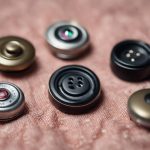
2. Mini Button Camera
A button-style camera is designed around a very small lens and compact housing. It may be used for hands-free documentation in situations where a standard camera is impractical. Its small form factor can also make setup and handling difficult, so check the lens position, recording controls and storage process before relying on it.
3. Hidden Clock or Desk Recorder
Clock and desk-style recorders are intended to blend into an indoor environment. Similar products may be built into clocks, picture frames or USB accessories. They are most appropriate for clearly authorised monitoring, such as documenting activity in a space where everyone involved has been informed. Consider placement, power requirements, storage capacity and whether the device provides a visible recording status.
4. Keychain Camera
A keychain recorder prioritises portability. Its small size makes it useful for carrying a camera and microphone without adding much bulk to a bag or set of keys. Because keychain devices are easy to activate accidentally or position toward people without their knowledge, they should be used only for lawful, clearly justified recording.
5. Tiny Bluetooth Earpiece
A Bluetooth earpiece is different from an audio camera. It is generally associated with wireless communication or discreet audio playback rather than recording video. Important considerations include compatibility with the phone or other source device, comfort, connection stability and battery management. Do not use an earpiece to facilitate unauthorised monitoring or communication in restricted settings.
6. Glasses Camera
Camera glasses place the lens within or near an eyewear frame, allowing hands-free video capture. This design can be useful for transparent, first-person documentation where the wearer and other participants understand that recording is taking place. The format requires particular care around privacy because people may not realise that a camera is present.
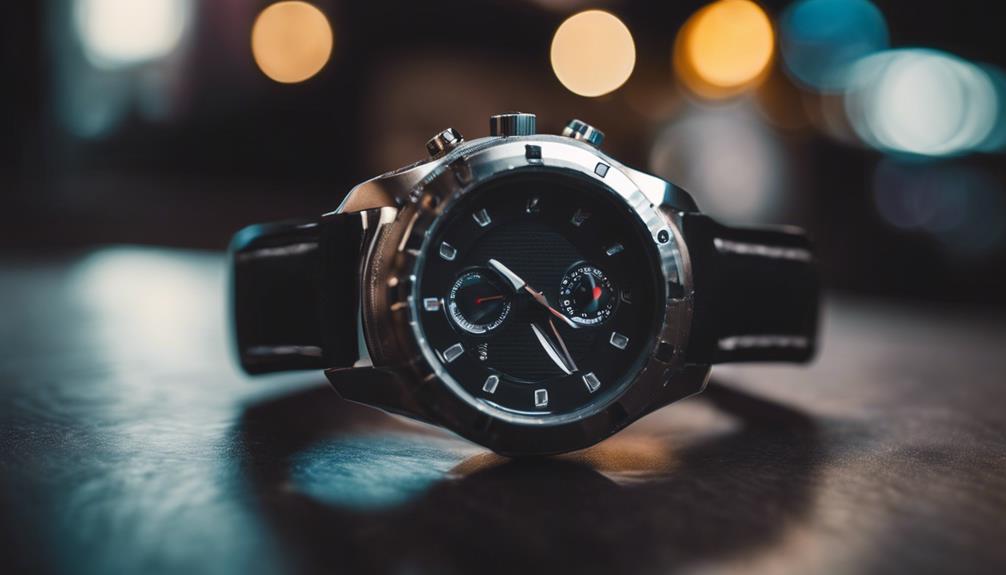
7. Watch Recorder
A watch recorder combines wearable convenience with audio or video capture. It can be practical for documenting an authorised interview, presentation or personal activity without carrying a separate device. Before use, check how recording is started and stopped, where files are saved and how the battery behaves during extended sessions.
8. Microphone Necklace
A microphone necklace is primarily an audio-recording format rather than a camera. Its wearable design can help keep the microphone close to the speaker, but sound quality still depends on distance, background noise and the quality of the recording system. Use it for permitted interviews, dictated notes or other situations where participants know audio is being captured.
9. Compact USB Audio Camera
A USB-style camera may resemble an ordinary computer accessory while providing audio and video recording features. Some designs may support wired file transfer, while others may include wireless functions; capabilities vary by device. Review connection requirements, operating-system compatibility, storage arrangements and security before connecting one to a computer or network.
10. Portable Spy Pen Recorder
A portable spy pen recorder is a pen-shaped device focused on convenience and discreet carrying. It may be useful for recording your own reminders or documenting an agreed conversation. A practical model should have simple controls, understandable file management and enough battery capacity for the length of the intended session.
What to Check Before Choosing One
- Recording type: Confirm whether the device captures audio, video or both.
- Storage: Check how recordings are saved, transferred and protected.
- Power: Consider charging time, battery duration and whether recording can continue reliably.
- Usability: Test the controls, lens position and audio quality before an important event.
- Security: Protect files containing personal, financial or sensitive information.
- Visibility and consent: Follow applicable recording laws, workplace policies and venue rules.
Use Mini Recorders Responsibly
Small cameras and microphones can help with legitimate documentation, but concealment does not remove privacy obligations. Do not record private conversations, changing areas, bedrooms or other sensitive spaces without proper permission. When in doubt, use a visible recording device, announce the recording and keep the files only as long as necessary.