
Non-WiFi cameras can be useful when you want recordings stored locally rather than sent through a wireless network. They are often chosen for simpler setup, reduced network exposure, and situations where an internet connection is unavailable. Depending on the design, footage may be saved to internal memory or removable storage and reviewed later on the device or a computer.
Before using any concealed camera, check the laws and rules that apply where you live. Recording people without their knowledge may be restricted, especially in workplaces, rental properties, childcare settings, and private areas. Use these devices only for legitimate, lawful purposes and avoid placing cameras where people reasonably expect complete privacy.
Seven non-WiFi camera styles to consider
1. Motion-activated mini camera
A motion-activated mini camera is a compact option for recording activity only when movement is detected. This can help reduce unnecessary footage and conserve available storage or battery power. The legacy model description also highlights high-resolution recording and night vision, features worth checking when footage may be captured in dim conditions.
Look closely at how recordings are retrieved. A genuinely local model should provide a clear method for transferring or viewing files without requiring a WiFi connection. If a product includes remote viewing, confirm whether it depends on a separate wireless connection, since that may not match your privacy requirements.
2. USB charger-style camera
A USB charger-style camera is designed to resemble an everyday charging accessory while recording from a fixed position. Its stationary format can suit monitoring of an entrance, hallway, or personal belongings, provided its placement is lawful and everyone who must be informed has been informed.
Motion detection is a useful feature for this type of device because it can limit recording to periods of activity. Check whether the charger remains usable while recording, how footage is stored, and whether the camera has to remain connected to power.
3. Smoke-detector-style camera
A smoke-detector-style camera is intended to blend into a ceiling or other suitable location. Its elevated position may provide a broad view, but placement must never obstruct, replace, or interfere with a real safety device. It should not be used to create a false impression that a functioning smoke detector is installed.
This style may appeal to users who need a fixed camera that does not draw attention. Confirm the viewing angle, recording method, power arrangement, and whether the unit is appropriate for the location before installation.
4. Pen camera with recording
A pen camera combines a writing instrument with a small recording function. Its portable design makes it easy to carry or place on a desk, which is why the legacy article presents it as an option for office or childcare monitoring.
However, portability also increases the risk of recording people without proper notice. Use it only for an explicitly lawful purpose, and do not assume that disguising a camera makes recording permissible. Check the quality of the lens, the controls, battery duration, and the process for transferring saved video.
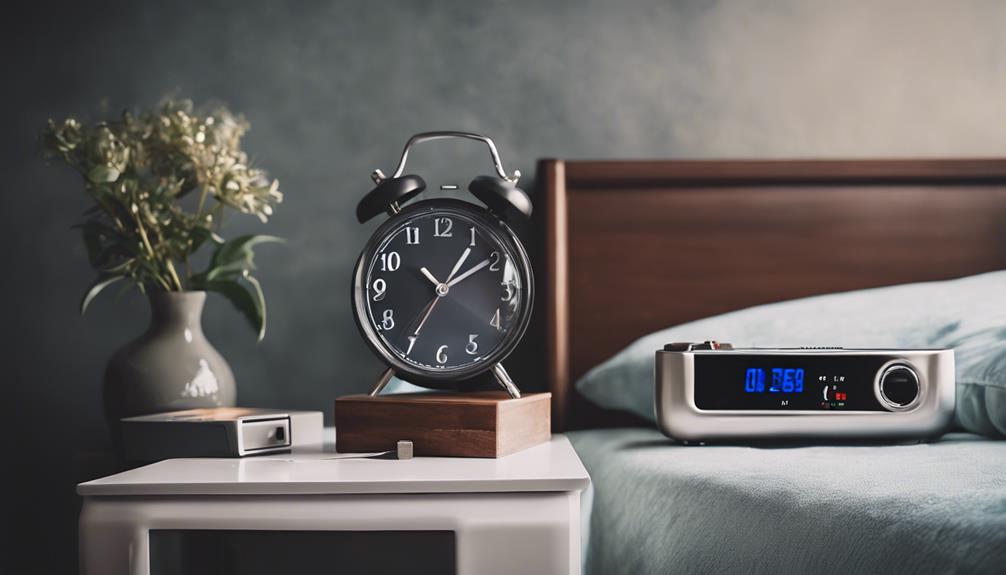
5. Clock-radio camera
A clock-radio-style camera is built into an object commonly found on a bedside table, desk, or shelf. The clock and alarm functions can make the device appear ordinary while providing a fixed recording position.
Because this style may be placed in bedrooms or other sensitive areas, it requires especially careful attention to consent and local privacy rules. Consider whether the camera can be disabled easily, whether recording indicators are visible, and how securely saved footage can be accessed.
6. Picture-frame camera
A picture-frame camera incorporates the lens into a decorative frame, allowing it to fit naturally into a living area or office. It may be suitable when you want a stationary camera that does not look like traditional security equipment.
Choose the frame location carefully so that it records only the area necessary for your legitimate purpose. Before buying, verify the lens position, viewing direction, storage capacity, and whether the frame needs continuous power.
7. Keychain mini camera
A keychain mini camera is the most portable style in this list. Its small form can be convenient for documenting events or recording in situations where a larger camera would be impractical. The legacy description identifies discreet operation, simple controls, and portable storage as its main advantages.
Small size can also mean smaller controls, limited battery capacity, or a narrower field of view. Review sample footage when possible, learn how recording starts and stops, and secure any saved files so that private recordings are not exposed.
How to choose a non-WiFi model
- Storage: Confirm whether footage is saved internally or to removable media and how files are transferred.
- Power: Decide between a rechargeable battery and continuous power, depending on where the camera will be placed.
- Low-light performance: Night vision can be valuable, but check the product’s actual operating details rather than assuming it is included.
- Motion detection: This can reduce unwanted recordings and make reviewing footage easier.
- Visibility and consent: A concealed design does not remove legal or ethical obligations to inform people when required.
- Network claims: Verify that the device does not require WiFi, cloud access, or an app connection if local recording is your priority.
The best choice depends on whether you need a fixed position, portability, motion-triggered recording, or low-light capability. In every case, use the camera transparently where required, limit the field of view to the necessary area, and protect recorded files after capture.