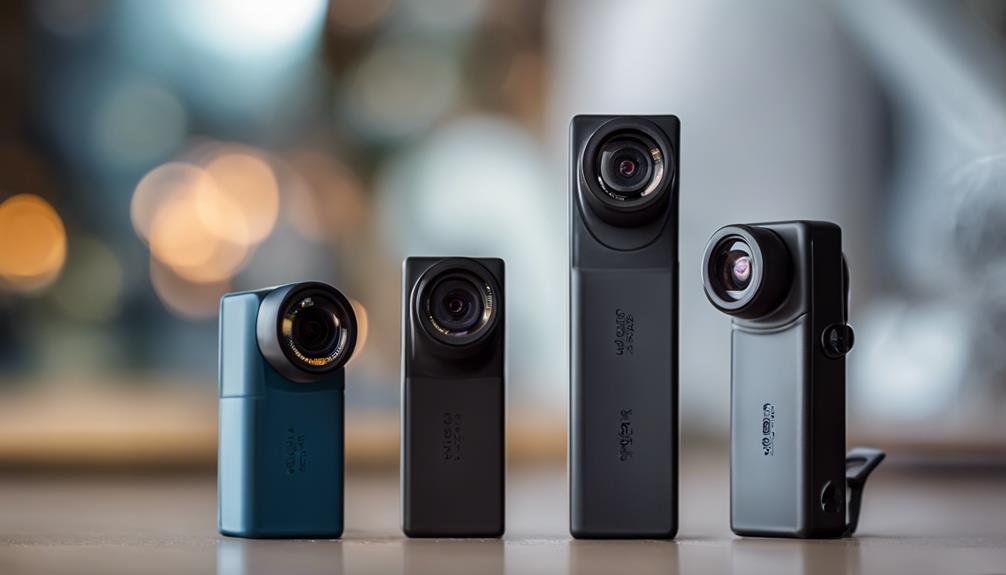

Outdoor security cameras can help Australian homeowners, landlords and small businesses monitor entrances, driveways, gardens, delivery areas and property boundaries. The right setup may deter opportunistic theft, provide useful footage after an incident and make it easier to check on a property remotely. Australian homeowners can explore covert surveillance uses like discreet perimeter monitoring, wildlife observation, and evidence collection.
Choosing a camera for Australian conditions involves more than comparing resolution. Sun exposure, heavy rain, dust, salt air, changing temperatures and unreliable connectivity can all affect performance. A successful installation also requires careful positioning, regular maintenance and attention to privacy obligations.
What to look for in an outdoor security camera
Start by identifying the area you want to monitor and the conditions the camera will face. A camera exposed to coastal air may need more protection from corrosion, while a remote property may require cellular connectivity or solar power instead of a standard wired connection.
- Weather resistance: Choose equipment designed for outdoor use and follow the manufacturer’s installation limits. Protection from rain alone does not guarantee performance in flooding, dust or prolonged direct sunlight.
- Image quality: A minimum of 1080p can provide useful detail, while higher resolution may help when monitoring a larger area. Positioning and lighting are just as important as the stated resolution.
- Night vision: Infrared night vision is useful for dark areas, but test whether nearby walls, foliage or reflective surfaces create glare.
- Motion detection: Adjustable zones and sensitivity settings can reduce alerts caused by trees, pets, passing vehicles or changing shadows.
- Storage: Depending on the product, recordings may be stored in the cloud, on a local memory card or through a separate recorder. Consider retention, backup and access if footage may be needed later.
- Connectivity and power: Power-over-Ethernet can provide a stable connection where cabling is practical. Battery, solar and 4G-capable options may suit locations where mains power or fixed internet is unavailable.
- Support: Australian warranty coverage, replacement options and accessible technical support can be important if the camera fails or requires service.
Visible cameras or discreet monitoring?
A visible camera is often the simplest option for protecting a home or business. Its presence can discourage casual trespassing and makes the purpose of the device clear to visitors. Place it where it can cover an entrance or vehicle area without unnecessarily recording neighbouring properties or public spaces.
Some property owners consider discreet outdoor monitoring for vulnerable gates, remote fences, delivery locations or areas where visible equipment may be damaged. Discreet placement should not be treated as a way to avoid privacy responsibilities. Do not position a camera to record private areas, and do not use an outdoor device to observe inside a neighbour’s home or other place where people reasonably expect privacy.
Connecting cameras with a wider security system
Outdoor cameras can operate independently or form part of a broader home security system. Compatible systems may connect cameras with alarms, exterior lights, smart locks and mobile notifications. For example, a motion event might activate lighting, send an alert and save footage from more than one camera. For indoor pet monitoring, consider subscription-free pet monitoring alongside your outdoor security setup.
Integration is most useful when it is configured carefully. Set activity zones to focus on entrances and boundaries, adjust notification sensitivity and use schedules where appropriate. Excessive alerts can lead to important warnings being ignored. If several devices are used, centralised access can also make it easier to review events and manage user permissions.
Installation tips for Australian conditions
Mount the camera high enough to discourage tampering, while keeping it close enough to the activity area to capture useful detail. Avoid aiming directly at the sun during the brightest part of the day, and check the image at different times to identify glare or deep shadows.
- Keep the lens clear of foliage, cobwebs, dust and salt residue.
- Check that the camera does not point into bedrooms, bathrooms or other private spaces.
- Test live viewing, recording, night vision, motion alerts and time stamps after installation.
- Secure cables and connectors against weather and accidental damage.
- Review detection zones when plants grow or seasonal lighting changes.
- Change default passwords and keep the camera’s software updated where updates are provided.
Privacy and legal responsibilities
Australian surveillance and privacy rules vary between states and territories. Recording or monitoring people in private settings can create serious legal problems, particularly where consent has not been obtained. Rules may also apply to audio recording, signage, shared buildings, employees and footage that captures public areas or neighbouring land.
Before installing a camera, check the requirements that apply in your state or territory and consider whether signs or consent are needed. Limit the field of view to the area you genuinely need to protect, disable audio if it is unnecessary, and restrict access to recordings. If footage may be used in a dispute or reported to police, preserve the original files and keep accurate time settings. For uncertain or sensitive installations, obtain independent legal advice.
Making an informed choice
The best outdoor security camera for an Australian property is one that suits its environment, has dependable power and connectivity, records useful images and can be operated lawfully. Compare the full installation—not just the camera—including cabling, storage, subscriptions, mounting and ongoing maintenance. Thoughtful placement and privacy-conscious settings will usually contribute as much to a reliable security system as the device itself.