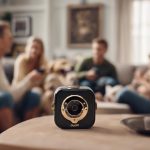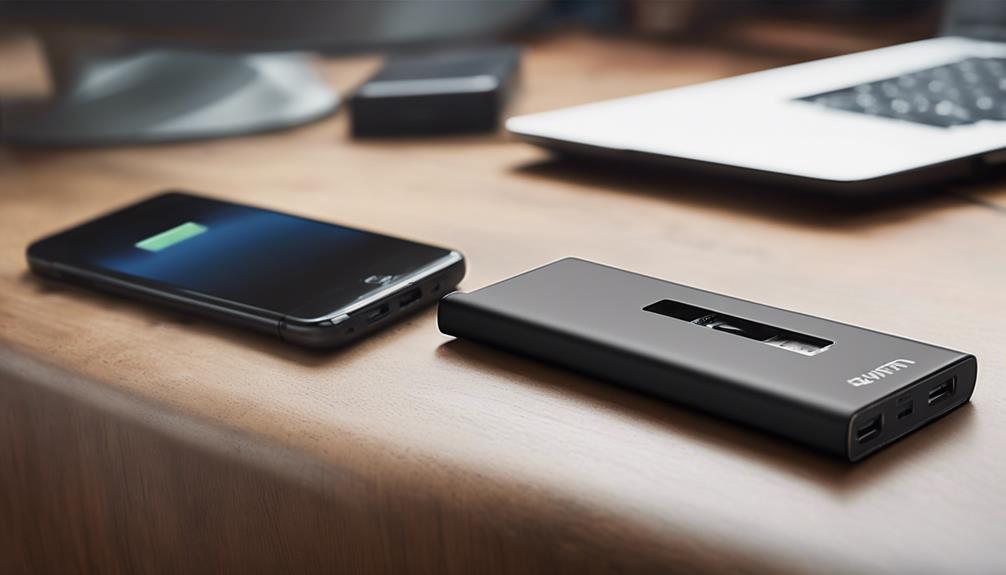

A power bank spy camera combines a portable battery pack with a small camera, allowing the device to look like an ordinary everyday accessory. Its familiar appearance can make it less noticeable than a conventional security camera, but that discreet design also creates important privacy and legal responsibilities.
Before choosing or using one, consider the area you need to monitor, how the footage will be stored, whether remote access is necessary, and whether everyone being recorded has provided appropriate consent. A camera should never be used to secretly record people in places where they reasonably expect privacy.
Key Features to Consider
Discreet, Practical Design
The main appeal of a power bank camera is its everyday form. A compact enclosure may fit naturally on a desk, shelf, or other permitted location without the visual impact of a traditional camera. However, a realistic appearance does not make recording automatically lawful or ethical. The device should be placed only where monitoring is allowed, and its purpose should be clear to anyone affected by it.
Video Resolution and Image Quality
Clear footage is more useful than a long list of technical specifications. Look for video quality that suits the intended setting, while remembering that resolution alone does not guarantee readable images. Lighting, camera placement, lens quality, movement, and available storage can all affect the final recording.
If the camera will be used for general security, position it so that important areas remain visible without unnecessarily capturing neighbouring rooms, private workspaces, or public areas beyond the property. Test the view before relying on the device.
Battery Capacity and Recording Time
Because the camera is built into a power bank, battery capacity is an important part of the design. Longer operating time can be useful when an outlet is unavailable, but actual recording duration depends on factors such as video settings, motion detection, wireless connectivity, and whether the battery is also charging another device.
Plan how the unit will be recharged and check whether recording continues while the battery is connected to power. A camera that stops unexpectedly can leave important gaps in footage, while continuous recording may use more storage and energy than expected.
Motion Detection
Motion-triggered recording can reduce unnecessary footage by activating the camera when movement is detected. It may also make reviewing recordings easier and help conserve battery or storage space. Its performance can vary, however. Changes in lighting, moving curtains, pets, or activity outside the intended area may create unwanted recordings, while slow or distant movement may not always trigger capture.
Use motion detection as a convenience rather than a guarantee that every event will be recorded. Review the detection area and sensitivity, if those controls are available, and avoid configuring alerts to monitor people in situations where recording would be inappropriate.
Remote Viewing and Alerts
Some power bank cameras may offer access through a mobile application or web interface. Remote viewing can help an authorised user check a permitted space, review saved footage, or receive activity notifications without being physically present.
Wireless features also introduce security considerations. Use a strong, unique account password, limit access to trusted users, install available software updates, and secure the network connected to the camera. Avoid treating live streaming as a substitute for a properly secured recording system.
Lens Coverage and Placement
A wide-angle lens can show more of a room or other monitored area from a single position. Wider coverage is not always better: it may include more irrelevant or private spaces, and objects near the edge of the frame can appear distorted. Place the camera carefully, check what it captures, and adjust the angle to focus on the area that genuinely requires monitoring.
Responsible Setup Checklist
- Confirm that recording is permitted under applicable laws, rules, and agreements.
- Obtain consent where it is required, especially for audio or monitoring in shared spaces.
- Never use a hidden camera in bedrooms, bathrooms, changing areas, or other private locations.
- Place the device to minimise unnecessary recording of bystanders or neighbouring property.
- Protect stored footage and delete it when it is no longer needed.
- Test battery life, motion detection, storage, and remote access before relying on the camera.
Final Considerations
A power bank camera can be convenient for monitoring an area where surveillance is lawful and transparent, particularly when portability, motion detection, or remote access is useful. Its discreet appearance should not be used to bypass consent or conceal recording from people who have a right to privacy. Evaluate the camera’s image quality, battery behaviour, coverage, storage, and security controls together, then use it only for a clearly defined and responsible purpose.