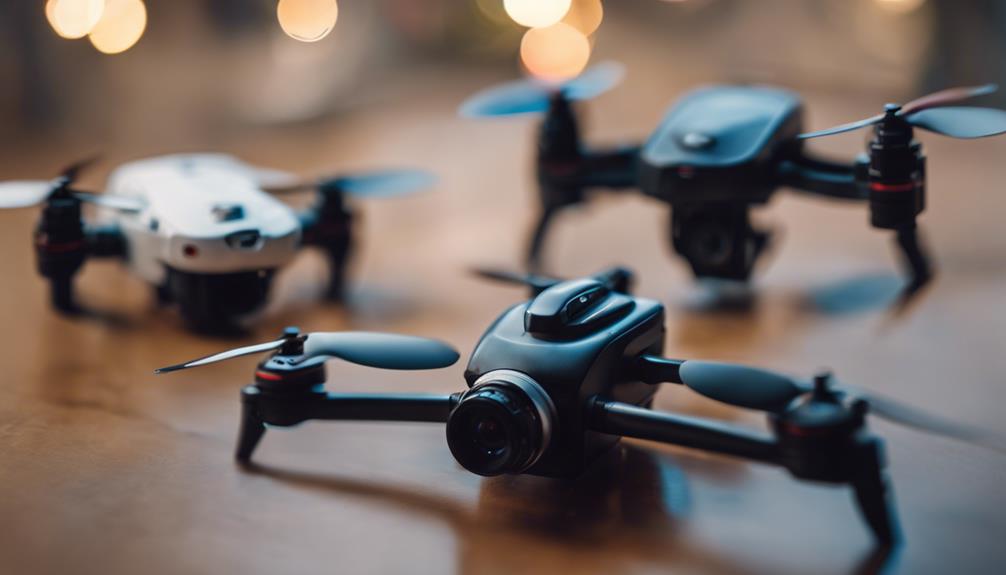

RC spy cameras combine remote-controlled movement with video monitoring, making them useful in situations where a fixed camera cannot provide the right angle or flexibility. The best choice depends on the environment, lighting conditions, recording needs, and whether you need to watch footage live or review it later.
Because these devices can record people without their knowledge, use them only where monitoring is lawful and appropriate. Check local privacy and recording rules, avoid private spaces where people reasonably expect privacy, and obtain consent whenever it is required. With that in mind, the following three camera types represent the main features to consider when choosing an RC surveillance device.
1. Mini RC Spy Camera
A mini RC spy camera is designed for discreet placement and straightforward monitoring. Its compact form can make it easier to position in a room or other permitted observation area without attracting attention. This type of camera is particularly suitable when portability and a small footprint matter more than advanced nighttime performance.
Useful features
- Motion detection: Recording begins when movement is detected, which can reduce unnecessary footage and help conserve battery power and storage.
- Live streaming: Some models can send a real-time feed to a smartphone or computer, allowing an authorised user to check the camera without retrieving it.
- Compact design: A smaller body is easier to transport and position in a suitable, legally monitored location.
- Video and audio capture: If audio recording is included, confirm that its use is permitted in your area before enabling it.
A mini model is a practical choice for short-term observation, indoor monitoring, or situations where the camera needs to be moved regularly. Before relying on motion activation, test how well it distinguishes meaningful activity from background movement, since frequent triggers can quickly fill storage or drain the battery.
2. Night Vision RC Camera
A night vision RC camera is intended for environments where ordinary cameras may produce dark or unclear footage. Infrared illumination can help the camera capture images in low-light conditions, making this format more suitable for nighttime or poorly lit areas.
What to consider
- Low-light performance: Infrared assistance can improve visibility when there is little available light, but results still depend on the camera and surroundings.
- Remote positioning: Remote control lets an authorised operator adjust the camera’s position without physically approaching it.
- Discreet operation: Night monitoring should be planned carefully so that the device does not create an unexpected privacy risk for people nearby.
- Power requirements: Night vision features may affect battery life, so operating time should be tested before extended use.
This option is best suited to permitted monitoring in dim interiors or other locations where lighting changes throughout the day. It should not be treated as a guarantee of perfect images in total darkness; the camera’s actual range and clarity depend on its design and the scene being recorded.
3. Wireless RC Surveillance Device
A wireless RC surveillance device focuses on connectivity and remote access. Instead of requiring the operator to remain close to the camera, it may provide live viewing and access to recordings through a connected phone or computer. This can be useful when the camera is positioned in a place that is difficult or inconvenient to reach.
Main advantages
- Remote viewing: Live feeds can help an authorised user check a monitored area from a distance.
- Wireless operation: Fewer physical connections can make placement and repositioning simpler.
- Recorded footage: Saving video allows events to be reviewed later, subject to applicable privacy and retention requirements.
- Camera quality: Clear footage is important when details need to be reviewed, so image quality should be evaluated rather than assumed.
Wireless access also introduces practical considerations. The camera needs a dependable connection, and remote viewing may be affected by distance, obstructions, or network conditions. Protect accounts with strong, unique passwords and keep access limited to people who are authorised to view the footage.
How to choose the right RC camera
Choose the mini RC model when portability and motion-triggered recording are the priorities. Select a night vision model when low-light visibility is essential. A wireless RC surveillance device is the better fit when remote access and live monitoring matter most.
Whichever type you choose, review its battery life, storage method, connection requirements, control range, image quality, and audio capabilities before use. Most importantly, define the monitoring purpose, inform affected people when required, and use the equipment only in a lawful and responsible way.