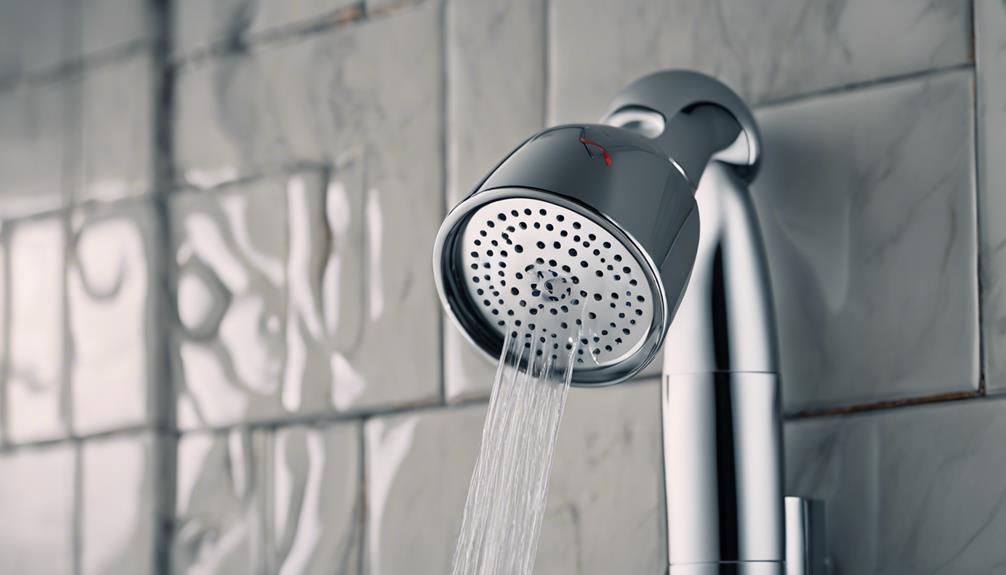

A Wi‑Fi camera disguised as a shower head may appear to offer discreet monitoring, remote access, and high-definition recording. However, a bathroom is an exceptionally sensitive private space. Recording people while they shower or change clothes can cause serious harm and may violate privacy laws, even when the device is installed in a home or other property you control.
Why Shower-Head Spy Cameras Are a Serious Privacy Concern
A concealed camera in a shower area is designed to record people without their knowledge. That makes it fundamentally different from an ordinary visible security camera used to protect an entrance, hallway, or exterior.
- People generally have a strong expectation of privacy in bathrooms and changing areas.
- Recording without consent may breach privacy, surveillance, or intimate-image laws, depending on the location.
- Wi‑Fi access can create additional security risks if recorded footage is exposed or accessed by an unauthorised person.
- Sharing, storing, or transmitting intimate footage can create further legal and personal consequences.
For these reasons, a concealed camera should not be installed in a shower, bathroom, changing room, or any other place where people reasonably expect privacy.
What to Consider Before Buying Any Wi‑Fi Camera
Features such as high-definition video, mobile access, motion alerts, live viewing, and cloud or local recording can be useful in an appropriate security application. They should not be used to make surveillance more secretive in a private setting.
For a lawful home-security installation, choose a clearly visible camera and review its privacy controls before connecting it to your network. Useful questions include:
- Can recording be disabled on a schedule?
- Can the camera be positioned so it avoids private areas?
- Does the system provide strong account protection and secure access?
- Can footage be deleted easily and stored only for as long as necessary?
- Are household members, visitors, tenants, or workers informed about the camera?
Safer Alternatives for Bathroom and Home Protection
If the goal is to protect a home rather than record people, use equipment that does not capture intimate activity. A visible camera can be placed outside the bathroom or at an exterior entrance, aimed away from areas where people undress. For bathroom-related risks, consider non-camera devices such as water-leak sensors, temperature alerts, humidity monitors, or emergency assistance systems.
For pets or children, use monitoring equipment only in suitable common areas and make its presence clear. Avoid bedrooms, bathrooms, and changing areas. Two-way audio and remote access should also be used responsibly, with access limited to authorised household members.
Legal and Ethical Checks
Privacy rules differ by jurisdiction, and consent requirements may depend on the people recorded, the location, the purpose of recording, and how footage is stored or shared. Before installing any surveillance device, check the rules that apply where the device will be used. If there is any doubt, obtain informed consent or seek qualified legal advice.
Do not rely on a product description, an installation guide, or the fact that a device is sold commercially as proof that its use is lawful. A discreet design may increase the risk of misuse rather than improve security.
Bottom Line
Wi‑Fi connectivity and compact hardware can make cameras convenient, but a shower-head camera is not an appropriate home-security solution. Protect people and property with visible cameras in suitable locations, non-camera safety sensors, careful network security, clear notice, and compliance with applicable privacy laws.