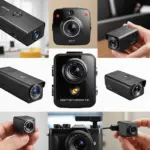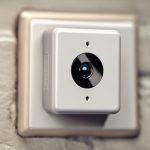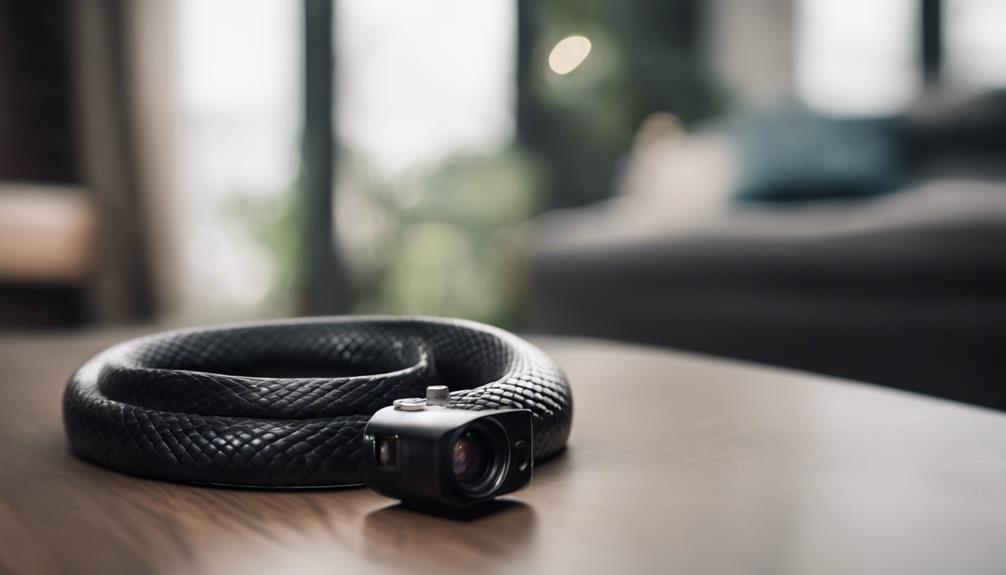

A snake spy camera is designed for situations where a conventional camera cannot easily reach or would be too noticeable. Its small camera head and flexible viewing tube make it suitable for discreet observation in narrow, awkward, or enclosed spaces. Depending on the model, it may also provide features such as high-resolution video, low-light viewing, remote monitoring, and wireless connectivity.
Discreet surveillance should always be carried out lawfully and with respect for privacy. Before using any hidden or miniature camera, check the rules that apply in your location and obtain consent where required. In many situations, a visible security camera or an inspection camera may be a more appropriate choice.
Compact design for difficult locations
The main advantage of a snake spy camera is its form factor. Rather than relying on a bulky camera body, the lens is positioned at the end of a slim, flexible probe. This allows the camera to be placed in locations that are difficult to view with standard equipment, while keeping the main recording or display unit out of the way.
Its compact construction can also make installation less disruptive. A small camera is easier to position around furniture, inside equipment, or near other objects without changing the appearance of the area. The goal should be careful, responsible placement—not access to spaces where recording is prohibited or where people reasonably expect privacy.
Clear video in a small package
A discreet camera is only useful if it produces footage that can be reviewed. Models with higher-resolution sensors can capture more defined images, which may help when identifying objects, checking conditions, or reviewing an event. Image quality can still depend on lighting, distance, movement, lens position, and the camera’s storage or transmission system.
Some snake cameras include illumination or night-vision capability for dim environments. These features can improve visibility in low-light areas, but they do not eliminate the limitations of darkness, reflective surfaces, or a restricted viewing angle. Checking sample footage and the manufacturer’s specifications is important before choosing a device.
Flexible monitoring and remote viewing
Flexible probes can be useful when the camera needs to look around corners or fit through a narrow opening. This makes the design practical for close-range observation and inspection tasks where a fixed camera would have a limited field of view.
Some devices also support wireless connectivity or remote viewing. When available, these functions can allow an authorised user to check a live feed without standing directly beside the camera. Remote access may be convenient, but it introduces additional considerations, including account security, network protection, battery life, and the privacy of recorded footage.
Features to compare before buying
Snake spy cameras vary considerably, so the right choice depends on the intended and lawful use. Compare the following features rather than focusing only on the camera’s size:
- Probe length and flexibility: Choose a design that can reach the intended viewing position without being forced or damaged.
- Camera resolution: Higher resolution may provide more detail, although lighting and movement remain important.
- Low-light performance: Check whether the model uses built-in lighting, infrared illumination, or another method for dim areas.
- Viewing and recording options: Confirm how footage is displayed, stored, exported, and protected.
- Power and battery life: A compact camera may have limited operating time, particularly when recording or transmitting wirelessly.
- Audio capability: If audio is included, make sure recording conversations is legal and appropriate in your situation.
- Build quality: A durable probe and secure connectors can make the camera easier to handle and maintain.
When this camera style makes sense
A snake spy camera can be a practical option when the priority is a small viewing head, flexible positioning, and access to confined areas. It may suit authorised security checks, equipment observation, property monitoring, or other situations where discreet placement is justified and permitted.
It is not automatically the best option for every surveillance task. A fixed visible camera may provide better coverage, while a standard inspection camera may be more suitable for technical examination. Consider the environment, recording requirements, lighting, power source, and privacy obligations before making a decision.
Conclusion
Snake spy cameras combine a compact camera head with a flexible design that can simplify viewing in tight or inconvenient spaces. Features such as clearer video, low-light support, wireless connectivity, and remote viewing may add convenience, depending on the model. Used responsibly and within applicable privacy laws, this form factor can provide a discreet and adaptable monitoring solution without the bulk of conventional surveillance equipment.