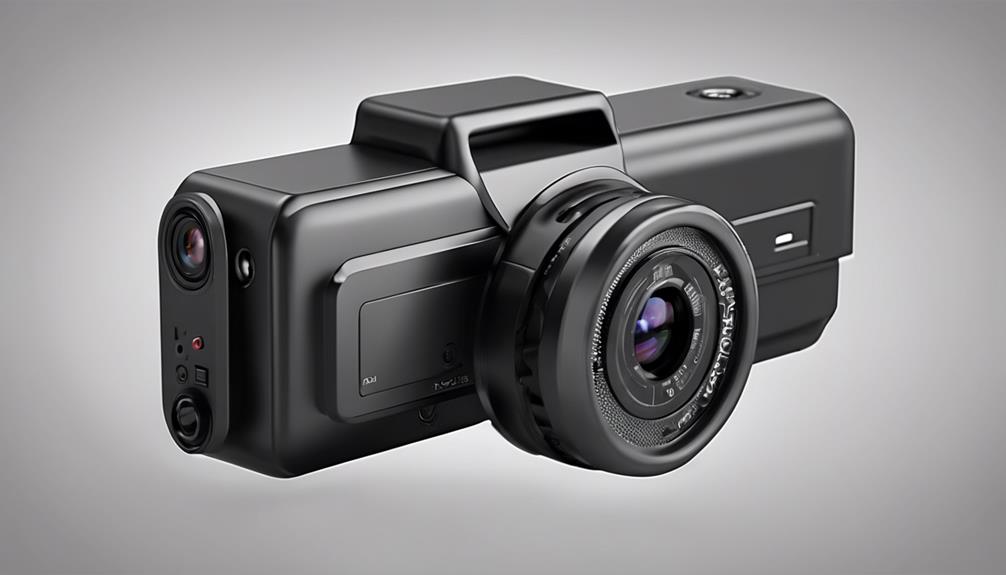

Spy cameras with built-in recorders come in many forms, from compact standalone units to cameras designed to look like everyday items. Their small size can be useful for security, documentation, and hands-free recording, but they should always be used lawfully and with appropriate respect for privacy. Before recording people, private spaces, or conversations, check the rules that apply where you live and obtain consent when required.
The five categories below highlight different designs and recording features. The right choice depends on where the camera will be used, how much footage you need to save, and whether you need remote viewing, automatic recording, or hands-free operation.
1. Miniature Spy Camera Recorder
A miniature camera recorder is designed for situations where a small footprint matters. Its compact form can make it easier to position on a shelf, inside equipment, or near an entry point without taking up much space. Some miniature models are built into small housings or everyday objects, while others use a simple standalone design.
When comparing a mini camera, focus on practical details rather than size alone:
- Video resolution and image clarity
- Available recording time and storage capacity
- Battery life and charging method
- Whether the lens can be positioned for a clear view
- Ease of transferring recorded files
Small cameras are most useful when they can be placed securely and aimed at the intended area without obstructing the lens. Avoid positioning one where it could record private activity without permission.
2. Wireless Hidden Camera Recorder
A wireless camera recorder can provide more flexibility than a wired setup. Depending on the device, wireless connectivity may support remote viewing, file transfer, or alerts through a connected network. Removing a cable between the camera and recorder also makes placement simpler in locations where visible wiring would be inconvenient.
Storage is an important consideration. Some devices save recordings to removable storage, while others may support network or cloud-based storage. Loop recording can help maintain continuous coverage by replacing older files when available space is exhausted. This feature is useful for routine monitoring, but important footage should be copied elsewhere before it is overwritten.
Wireless performance depends on the network and the camera’s placement. A strong connection, secure password, and updated device software can help protect recorded footage and limit access to authorised users.
3. Motion-Activated Spy Camera
A motion-activated camera records when movement is detected instead of running continuously. This can conserve battery power and storage while focusing recordings on activity in a defined area. It may be suitable for monitoring an entrance, storage area, or other location where movement is the main event of interest.
Look for adjustable sensitivity and, where available, configurable detection zones. These controls can reduce unnecessary recordings caused by pets, passing vehicles, or moving branches. A camera intended for dim conditions may also include infrared night vision, although image quality can vary in complete darkness.
Motion detection is not infallible. Test the camera in its intended position before relying on it, and make sure the field of view does not extend into spaces where people reasonably expect privacy.
4. Pen Camera With Recorder
A pen camera combines a familiar-looking object with a small video recorder. Its ordinary appearance can make it less conspicuous than a conventional camera, while the built-in recorder allows files to be saved for later review. This type of device may appeal to users who need a compact tool for documenting a permitted activity or taking notes during an event.
Before choosing one, check how recording is started, where files are stored, and whether the camera captures audio as well as video. Audio recording often has stricter legal requirements than video, so confirm the relevant rules before using that function. A pen camera should never be used to record confidential conversations, private rooms, or individuals without the required permission.
5. Wearable Body Camera Recorder
A wearable body camera provides hands-free recording and can be attached to clothing, equipment, or a strap. It is useful when holding a separate camera would be impractical, such as during inspections, permitted documentation, or security work. Built-in recording keeps the footage with the device, while some models may also offer features such as location data or secure file storage.
Wearable cameras require clear operating policies. Users should know when recording is appropriate, how footage is stored, who may access it, and how long it should be retained. In professional or public-facing settings, visible notices and consistent procedures can help balance accountability with privacy.
How to Choose the Right Recorder
Start by identifying the recording situation rather than choosing based on appearance alone. Consider battery life, storage, low-light performance, motion detection, wireless access, and the effort required to retrieve files. Most importantly, use any camera only for a legitimate purpose and in accordance with applicable privacy and recording laws.
Whether you prefer a miniature unit, wireless design, motion-activated camera, pen camera, or wearable recorder, responsible placement and secure handling of footage are just as important as the camera’s features.