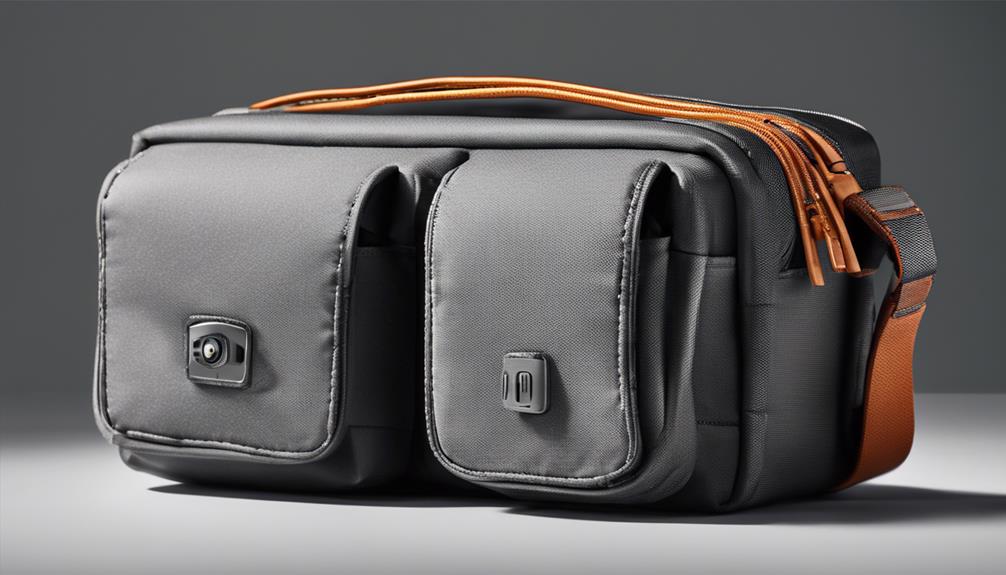

A spy camera bag is designed to carry camera equipment discreetly while keeping it organized, protected, and accessible. Unlike a standard camera case, it combines practical storage with a low-profile appearance that does not immediately draw attention. The best choice depends on the equipment being carried, the environment in which the bag will be used, and the level of protection required.
Discreet Storage and Hidden Compartments
Hidden compartments are one of the defining features of a spy camera bag. They provide separate spaces for compact cameras, microphones, batteries, memory cards, cables, and other small accessories without exposing everything in the main compartment.
Well-designed concealed pockets may be built into the lining, positioned behind removable panels, or integrated into otherwise ordinary-looking sections of the bag. When comparing models, check that these spaces are large enough for the equipment you intend to carry and that their closures are secure but practical to use. A concealed compartment is most useful when it protects sensitive gear without making access unnecessarily difficult.
Customizable Interior Organization
Camera equipment varies considerably in size and shape, so a fixed interior may leave some items loose while wasting valuable space. Adjustable dividers, removable sections, and padded inserts allow the bag to be configured around your particular setup.
- Use dividers to separate cameras, lenses, and accessories.
- Adjust the layout when changing from a compact kit to a larger setup.
- Keep delicate equipment from shifting during transport.
- Reserve smaller sections for batteries, cables, and memory cards.
A flexible layout also makes it easier to find equipment quickly. Instead of stacking items together, you can give each important piece a dedicated position.
Padded Protection for Camera Gear
Padding helps reduce the risk of damage caused by bumps, drops, and movement while the bag is being carried. Look for cushioning around the base, sides, and dividers, particularly if the bag will hold cameras or other delicate electronics.
Protection should not come at the expense of usable space. Excessively bulky padding can make a bag difficult to carry, while insufficient padding may leave equipment vulnerable. Reinforced panels and durable stitching can add further protection, but the exact level of security should match the value and fragility of the gear inside.
Weather-Resistant Construction
Outdoor use exposes equipment to rain, splashes, dust, and changing conditions. A bag made from water-resistant nylon or polyester can help protect its contents, while sealed or covered seams and weather-resistant zippers provide additional protection against moisture.
Weather resistance does not necessarily mean the bag is fully waterproof. If equipment must be used in severe weather, check the manufacturer’s stated limitations and consider whether a rain cover or separate protective case is needed. A discreet, professional exterior can provide everyday practicality without making the bag look like specialized surveillance equipment.
Security and Anti-Theft Features
Security features can help protect both the bag and its contents in crowded or unfamiliar places. Useful options may include lockable compartments, tamper-resistant zipper pulls, reinforced construction, and slash-resistant fabric.
Some bags may also include attachment points for tracking devices or dedicated pockets for personal identification and valuables. These features are not substitutes for sensible handling, but they can make unauthorized access more difficult. If a model includes electronic signal-blocking storage, such as an RFID-blocking pocket, treat it as an additional privacy feature rather than a replacement for physical security.
Comfortable, Adjustable Carrying Options
Adjustable straps make it easier to fit the bag to different body types and carrying styles. A padded shoulder strap can distribute weight more evenly, while a stable buckle or clasp helps keep the bag secure during movement.
Depending on the design, useful carrying options may include a shoulder strap, a crossbody configuration, a waist attachment, or a compact handle. Choose a setup that allows the bag to remain comfortable without restricting movement. The weight of the fully packed bag matters as much as the empty bag, so consider how much equipment you expect to carry regularly.
Covert Appearance and Quick Access
A covert design usually relies on ordinary colors, simple styling, and an exterior that resembles a conventional everyday bag. Avoiding prominent logos or unusual shapes can help the bag blend naturally into its surroundings.
Quick access pockets complement this low-profile design by keeping frequently used items close at hand. Exterior or upper pockets can hold batteries, memory cards, cables, or a compact camera, reducing the need to open the main compartment. These pockets should still have reliable closures so convenience does not compromise security.
Compatibility With Your Equipment
Before buying, measure the camera, lenses, audio devices, and accessories you plan to carry. Confirm that the interior dimensions, divider system, and padding suit the equipment rather than relying on the bag’s general description.
The right spy camera bag combines discreet styling with practical organization, physical protection, weather resistance, comfortable carrying, and controlled access. Prioritizing the features that match your actual equipment and surroundings will produce a more useful and reliable everyday kit.