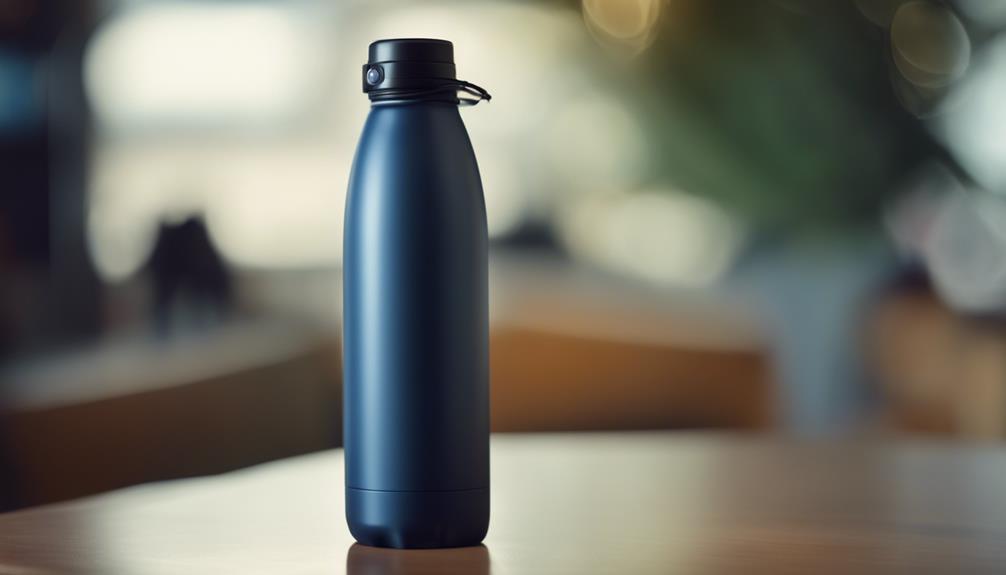

Spy camera bottles are surveillance devices disguised as ordinary containers such as water bottles, shampoo bottles, lotion dispensers, soda cans, perfume bottles, tumblers, and flasks. Their familiar appearance is intended to make the camera less noticeable in everyday surroundings.
Although these products are often marketed for security or investigative use, their ability to record people without their knowledge creates serious privacy and legal concerns. A hidden camera should never be used to monitor someone in a private setting or to capture audio or video without the consent required by applicable law.
Common Disguises Used for Hidden Cameras
Water bottles and drink containers
A water bottle, soda can, or energy drink container may be designed with a small lens hidden in its label, cap, or body. Because drinks are common in homes, offices, and public areas, these disguises can be difficult to distinguish from ordinary containers. Their practical appearance does not make secret recording acceptable, however, particularly in places where people reasonably expect privacy.
Shampoo bottles and lotion dispensers
Bathroom products are especially sensitive disguises. Shampoo bottles, lotion containers, soap dispensers, and similar items can be placed near sinks or mirrors, where a concealed camera could record highly private activity. Cameras should never be installed in bathrooms, bedrooms, changing areas, or other intimate spaces without explicit, informed consent.
Sunscreen, perfume, and pill bottles
Personal-care and medicine containers can blend into bedrooms, bathrooms, bags, or beach equipment. Their small size may make them tempting to use for discreet monitoring, but the same concealment creates a heightened risk of non-consensual surveillance and misuse.
Coffee tumblers and flasks
Travel mugs, coffee tumblers, and flasks may conceal cameras or audio recorders behind a logo, lid, or decorative panel. Audio recording is often subject to additional restrictions, so anyone considering a recording device should understand the rules that apply before using one.
What to Consider Before Using Any Recording Device
- Consent: Tell people when recording is taking place and obtain permission where required.
- Location: Do not record in bathrooms, bedrooms, changing rooms, or other private areas.
- Audio: Treat microphones with particular care because audio-recording laws may differ from video rules.
- Purpose: Use surveillance only for a legitimate, proportionate reason, such as protecting property in a clearly disclosed area.
- Storage: Secure recordings, limit access, and delete footage that is no longer needed.
- Product safety: A container that contains electronics may not be suitable for liquids, heat, washing, or normal use.
Safer Options for Home and Workplace Security
For legitimate security monitoring, a visible security camera is generally a safer choice than a disguised device. Clear signage, a defined recording area, and a stated purpose help people understand what is being monitored. Door sensors, alarms, access logs, and motion-activated lighting can also address security concerns without secretly recording personal activity.
If monitoring is needed in a workplace or shared property, establish a written policy and consult appropriate legal or privacy professionals before installing equipment. Cameras should be limited to necessary areas, positioned to avoid capturing private spaces, and managed by authorised personnel.
How to Respond to a Suspicious Container
If an unfamiliar bottle or everyday object appears in a private space, avoid tampering with it if doing so could destroy evidence. Move to a safe location, document what you observed, and contact the property owner, building manager, or relevant authorities. A qualified security professional can inspect the area without relying on guesswork.
Disguised cameras may be sold as convenient surveillance tools, but concealment does not remove the responsibility to respect privacy. For most security needs, transparent equipment, informed consent, and careful data handling provide a more ethical and defensible approach than a camera hidden inside an ordinary bottle.