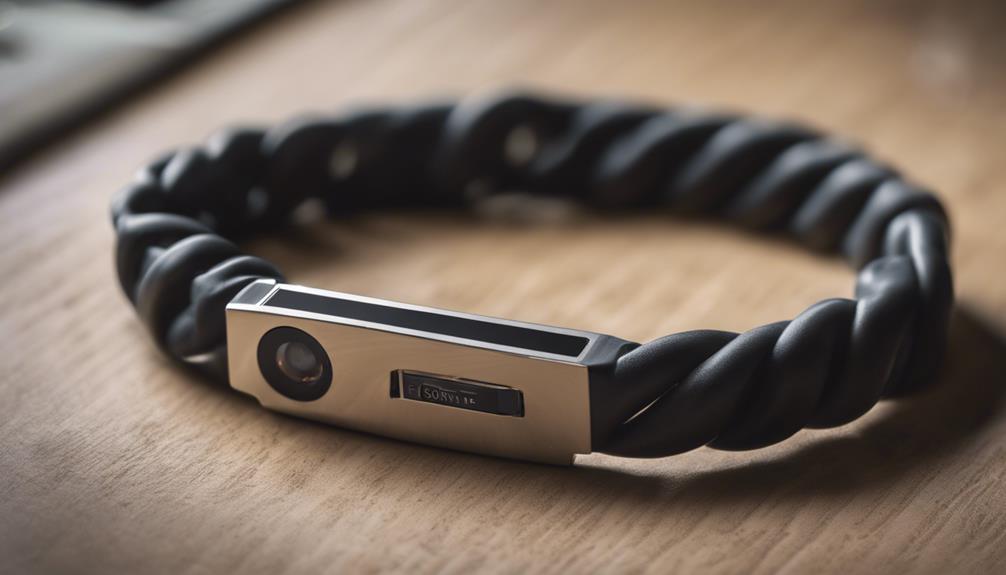

A spy camera bracelet combines a wearable accessory with a miniature camera and, in some models, audio recording or wireless connectivity. Its appeal comes from the compact form: the device can look like an ordinary bracelet while providing a hands-free way to record video. That same discreet design also creates serious privacy and legal responsibilities.
What Is a Spy Camera Bracelet?
These devices are designed to resemble everyday jewelry, such as a bangle, watch-style band, or minimalist bracelet. A small camera is integrated into the body of the accessory, usually with controls positioned so the wearer can start or stop recording without handling a separate camera.
The design may be useful in situations where a conventional camera would be inconvenient. However, the bracelet format also limits what the camera can capture. The lens may have a fixed viewing angle, the wearer may need to position their wrist carefully, and movement can produce shaky or poorly framed footage.
Common Recording Features
Capabilities vary considerably between models. Some bracelets are intended only for basic video recording, while more advanced versions may include still photography, audio capture, motion activation, or a connection to a smartphone.
- Video recording: Resolution may be advertised from standard high definition through higher-resolution formats, although image quality also depends on lighting, lens quality, stabilization, and file compression.
- Audio: A built-in microphone may record sound, but audio performance can be affected by clothing, wind, distance, and surrounding noise.
- Motion activation: Some devices can begin recording when movement is detected. This may reduce unnecessary footage, but it can also miss events or trigger unexpectedly.
- Wireless functions: Certain models can transfer files to a phone or support remote viewing. These features require careful attention to account security and network privacy.
Storage and File Transfer
Recorded files may be saved internally or to a removable memory card, depending on the design. Removable storage can make it easier to archive large amounts of footage, while internal storage may provide a simpler user experience. Before buying, check the supported capacity, file format, maximum recording length, and whether recordings are divided into several smaller files.
USB transfer is a straightforward way to copy files to a computer. Wireless transfer can be more convenient, but it may consume additional battery power and expose recordings to unnecessary security risks if the companion app, device, or network is not protected. Cloud storage can provide access from multiple devices, but it introduces questions about account security, retention, and who controls the uploaded data.
Battery Life and Everyday Practicality
Small wearable cameras generally have limited space for a battery. Continuous recording, wireless connections, high-resolution video, and bright status indicators can shorten operating time. Battery specifications should therefore be treated as estimates rather than guaranteed recording periods.
Useful features may include a rechargeable battery, a low-power mode, automatic shutoff, or motion-triggered recording. Some designs support cable charging, while others may work with a compatible wireless charging pad. Keep the charging connector, cable, and charging surface dry, and test the actual recording time before relying on the device for an important, lawful purpose.
Important Limitations
A discreet appearance does not make a bracelet camera invisible or infallible. A lens can be blocked by the wearer’s hand or sleeve, and a wrist-mounted camera may point away from the subject. Low light can reduce detail, while background noise can make speech difficult to understand. Storage may fill quickly, and a depleted battery can result in no recording at all.
For these reasons, a bracelet camera should not be treated as a substitute for a properly positioned, openly operated camera where recording is appropriate and permitted.
Privacy, Consent, and Legal Use
Before using any concealed or wearable recording device, check the laws that apply where the recording takes place. Rules differ by jurisdiction and may distinguish between video and audio. Places such as bathrooms, changing rooms, bedrooms, and other private areas generally involve a strong expectation of privacy, making recording without permission especially risky and potentially unlawful.
Consent requirements can also vary. In some locations, everyone participating in a conversation must be informed before audio is recorded. Recording employees, customers, guests, children, or members of the public may create additional legal and ethical obligations. A recording that is lawful to make may still be improper to share, upload, or use for another purpose.
- Obtain clear permission whenever people can reasonably expect privacy.
- Do not use a bracelet camera in private spaces or for secret personal surveillance.
- Secure recordings with strong passwords and limit access to the people who genuinely need them.
- Delete footage that is no longer necessary, especially when it contains identifiable people.
- Review local rules before recording, transferring, publishing, or sharing files.
Making a Responsible Choice
When evaluating a spy camera bracelet, look beyond resolution claims. Consider battery performance, storage capacity, file-transfer security, durability, ease of use, and whether the design can be used openly and lawfully in your intended setting. The most suitable device is not necessarily the one with the smallest camera or the longest feature list; it is the one that meets a legitimate need without compromising other people’s privacy.
Spy camera bracelets demonstrate how wearable technology can combine convenience with discreet recording. Used transparently, cautiously, and within the law, they may serve limited documentation purposes. Used secretly or in private settings, they can cause serious harm and legal consequences.