
Wearable spy cameras are designed to record video—and, on some models, audio—while blending into ordinary personal items. They can be useful for hands-free documentation, personal safety, investigative work, or recording situations where carrying a conventional camera would be impractical.
Because hidden recording can affect other people’s privacy, use these devices only where you have the legal right and appropriate consent to record. Laws may differ depending on the location and whether audio is captured.
What to Consider Before Choosing a Wearable Camera
- Placement: Choose an item that remains comfortable and provides a useful camera angle.
- Video quality: Look for footage that is clear enough for your intended use, especially in changing light.
- Audio recording: Confirm whether audio is included and check the rules that apply to recording conversations.
- Storage and battery: Consider how footage is saved and how long the device can operate between charges.
- Controls: Simple recording controls are helpful when you need to start or stop filming without handling a larger camera.
- Visibility: A discreet design should not mean concealing recording unlawfully or violating another person’s reasonable expectation of privacy.
9 Types of Wearable Spy Cameras
1. Pen Cameras
Pen cameras combine a familiar writing instrument with a small recording system. Their compact form makes them easy to carry, and many models are intended for hands-free video or still photography. They can be less noticeable than eyewear-based devices, although the camera’s position may produce a limited field of view.
2. Glasses Cameras
Glasses cameras place a small lens within the frame of eyewear. This arrangement provides a natural, first-person perspective while leaving both hands free. Some models record video and audio to internal or removable storage. They may be practical for documenting activities from the wearer’s viewpoint, but they should never be used to record people without the required permission.
3. Watch Cameras
Watch cameras integrate recording hardware into a wristwatch-style accessory. Their position can make them convenient for short, hands-free recordings. Some versions include motion detection or remote viewing features, but capabilities vary considerably between devices, so specifications should be checked carefully before purchase.
4. Button Cameras
Button cameras are small devices designed to be worn with clothing. Their placement can provide a forward-facing perspective without requiring the user to hold a camera. When used lawfully, they may suit documentation tasks where a conventional camera would be cumbersome. Clothing placement also affects the viewing angle and can obstruct the lens if not arranged properly.
5. Keychain Cameras
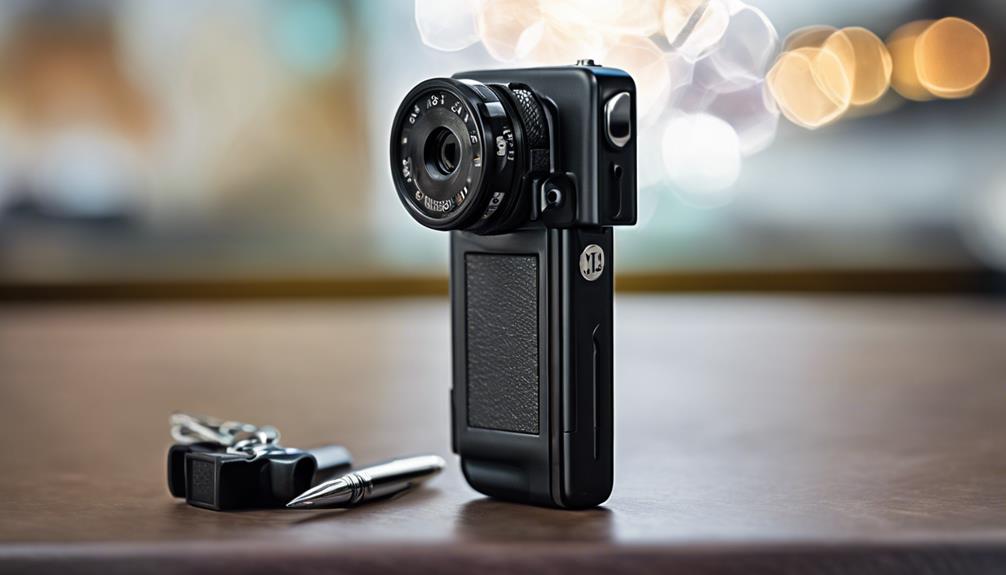
Keychain cameras are compact and easy to carry as part of an everyday key set. They can be useful when portability is more important than extended recording time. Some include audio recording or low-light capabilities, but the small size may limit battery life, storage, and image quality compared with larger camera formats.
6. Hat Cameras
Hat cameras provide a raised, forward-facing viewpoint and can be useful for outdoor, hands-free documentation. They are generally most practical when the wearer is already using a hat. Comfort, camera alignment, and stability are important considerations because head movement can affect the resulting footage.
7. Belt Cameras
Belt cameras attach to or integrate with a belt or similar clothing accessory. Their position offers a lower-angle perspective and keeps the user’s hands free. Some devices may offer features such as motion detection or low-light recording, though these should be confirmed in the product specifications rather than assumed.
8. Necklace Cameras
Necklace cameras are designed to resemble ordinary accessories while placing the lens near the chest. They can be convenient for recording conversations or activities from a stable, centered position when recording is permitted. The camera’s angle may change as the wearer moves, so a secure fit is essential.
9. Wallet and Shoe Cameras
Wallet cameras are built into a familiar everyday item and emphasize portability and discreet handling. Their compact design can make them convenient for occasional documentation, although storage and battery capacity may be limited.
Shoe cameras offer a distinctive low-angle viewpoint and hands-free operation. They are specialized devices rather than an all-purpose choice: walking, clothing, and footwear design can affect stability and image quality. They should be selected only for legitimate, clearly defined recording needs.
Choosing the Right Format
For a natural first-person view, glasses or hat cameras may be more suitable. Pen, keychain, and wallet cameras prioritize portability, while button, belt, and necklace designs focus on hands-free placement. Watch and shoe cameras provide more specialized viewpoints.
Whatever format you choose, prioritize lawful and transparent use, reliable storage, adequate battery life, and a recording angle that matches your purpose. A discreet camera should support responsible documentation—not enable secret surveillance of people who have not agreed to be recorded.