
Spy cameras concealed in screw heads are designed to blend into ordinary fixtures while recording video from an unobtrusive position. Their small form factor can make them useful for authorized security monitoring, but the same discreet design creates important privacy and legal responsibilities. Before considering one, make sure recording is permitted where you live and that everyone who must be notified has been informed.
What Is a Camera Concealed in a Screw?
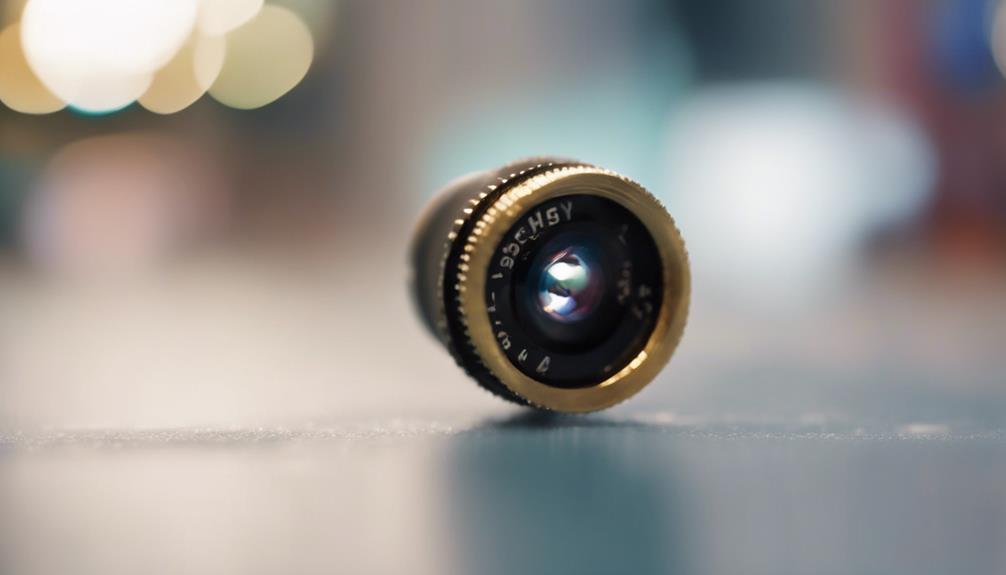
A screw-style camera combines a miniature camera module with a housing shaped like a conventional screw or fastener. The lens is positioned within or behind the screw head, allowing the device to sit flush with a wall, panel, cabinet, or another suitable surface. The housing may be designed to match common finishes so that it does not stand out from nearby hardware.
The screw head is primarily a disguise and mounting point; the camera itself still depends on familiar components such as a lens, image sensor, power source, and storage or network connection. The exact capabilities vary by model. Some devices may record locally, while others may transmit video to a connected system. A compact design can also involve compromises in battery life, viewing angle, heat management, and image quality.
How Installation Works in an Authorized Setting
Installation should be treated as a normal security-equipment project rather than an attempt to record people without their knowledge. First, confirm that the location is appropriate and that the camera will not capture areas where people reasonably expect privacy. Follow the manufacturer’s instructions for mounting, wiring, storage, and network setup.
The camera should be positioned to cover the intended area without unnecessary background footage. Before finalizing the installation, check the viewing angle, lighting conditions, focus, and stability of the mount. If the device replaces an existing fastener, verify that it is suitable for the material and that the installation will not weaken furniture, cabinetry, walls, or equipment. Do not modify structural components or electrical systems simply to conceal a camera.
Test the system openly and document its purpose, location, access permissions, and retention settings. Visible notices may be required, depending on the setting and applicable law. For workplace, rental, childcare, or shared-property use, obtain appropriate authorization before installation.
Resolution and Image Quality
Resolution affects how much detail a camera can capture, but it is only one part of image quality. A higher pixel count may produce a sharper image, yet a small lens or limited sensor can reduce performance in poor lighting. Lens quality, viewing angle, exposure control, compression, and the distance between the camera and the subject all influence the final recording.
- Resolution: Higher resolution can make details easier to distinguish, but it may require more storage.
- Lens and viewing angle: A wide view covers more space but may make distant subjects appear smaller.
- Lighting: Test the camera during both bright and dim conditions expected at the installation site.
- Storage: Check how recordings are saved, how long they are retained, and who can access them.
- Connectivity: Wireless features may be convenient, but they require secure account and network settings.
Features to Evaluate
When comparing models, focus on features that support a legitimate security purpose. Motion detection can reduce unnecessary recording, while time and date settings help organize footage. Remote viewing may be useful for authorized property monitoring, but it should be protected with strong passwords, current software, and limited user permissions.
Also consider whether the camera has a visible indicator, an external power requirement, audio recording, or night-time capabilities. Audio can be subject to stricter rules than video, so it should be disabled unless it is clearly lawful and necessary. A device that records continuously may create more privacy risk and require more storage than one configured for specific events.
Appropriate Uses and Privacy Boundaries
Potentially appropriate uses include monitoring an authorized private area, documenting access to equipment, or improving security at property where the owner and occupants understand the system. The camera should be aimed narrowly at the relevant area and should not be used in bedrooms, bathrooms, changing areas, or other places where privacy is expected.
Do not use a concealed camera to record people secretly, invade someone’s personal space, monitor a partner or employee without proper notice, or collect footage for harassment or intimidation. Laws differ by location and may regulate consent, workplace monitoring, residential recording, audio capture, data retention, and disclosure of footage. If the situation is uncertain, obtain legal advice before installing the device.
Maintenance and Secure Operation
Keep the lens and surrounding screw head clean with a soft, lint-free cloth. Avoid abrasive materials and harsh chemicals that could damage the lens or finish. Inspect the mount, power connection, storage capacity, and date settings periodically. Protect the device from moisture, extreme temperatures, dust, and accidental impact unless it is specifically rated for those conditions.
Review stored footage regularly and delete it according to a defined retention policy. Change default passwords, restrict account access, and secure any connected network. If image quality, connectivity, or recording reliability declines, consult the product documentation rather than altering the device in ways that could compromise safety or privacy.