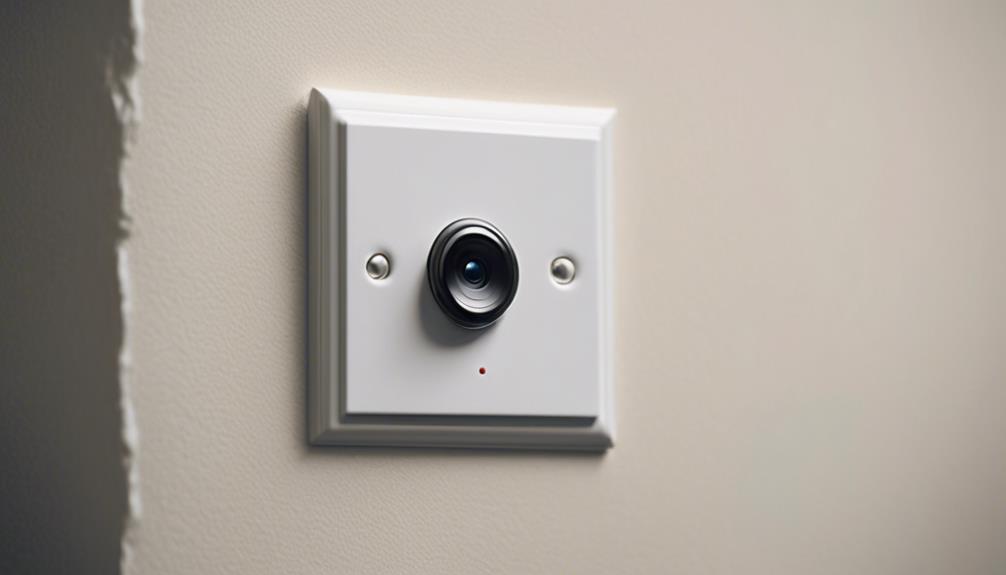

A spy camera light switch combines two very different functions in one familiar fixture: controlling a light and recording activity. That design is what makes these devices appealing. Instead of standing out like a conventional security camera, the unit is intended to blend into its surroundings and attract little attention.
This discreet appearance can be useful when a visible camera would be impractical or distracting. At the same time, it creates important responsibilities. A camera built into an everyday object can record people who do not realise they are being monitored, making privacy, consent and lawful use central to any purchasing decision.
What a Spy Camera Light Switch Is
A spy camera light switch is a surveillance device designed to resemble, or be incorporated into, a wall light switch. Depending on the particular model, it may offer video recording, audio capture, motion detection, night vision or remote access. These capabilities should never be assumed solely from the product’s appearance; specifications, installation requirements and applicable restrictions can vary.
The appeal comes from its dual-purpose design. The switch remains associated with an ordinary household function, while the camera is positioned to monitor the surrounding area. This can provide a less obtrusive alternative to placing a standalone camera in an obvious location.
Why the Design Attracts Attention
Traditional security cameras are easy to identify. That visibility can be helpful because it signals that an area is monitored, but it may also affect how people behave or leave some spaces without coverage. A camera integrated into a light switch takes a different approach by prioritising discretion.
For some users, the format may suit a home security plan where a camera needs to fit naturally into the room. Its familiar shape can reduce visual clutter and avoid the appearance of adding a prominent surveillance system. However, concealment should not be treated as a substitute for thoughtful security planning or honest communication with people who may be recorded.
Potential Security Uses
When used lawfully and transparently, a light-switch camera may support monitoring in selected indoor areas. Possible features include:
- Motion detection: The device may begin recording or generate an alert when movement is detected within its field of view.
- Low-light monitoring: Night vision can help a camera capture activity when ordinary lighting is limited.
- Remote access: Some devices may allow an authorised user to view or manage recordings from another location.
- Integrated installation: Combining the camera with a wall switch may reduce the need for a separate visible camera and its mounting hardware.
These features can be useful for identifying unusual activity or checking on a space when the owner is away. They are not guarantees of complete protection, and a camera should be considered one part of a broader home security approach rather than a standalone solution.
Privacy and Consent Come First
The same concealment that makes these products attractive also creates their greatest risk. A hidden or easily overlooked camera can capture visitors, household members, workers or neighbours without their knowledge. Audio recording can raise additional concerns because conversations may be recorded even when people do not expect surveillance.
Before installing one, consider who could enter the camera’s field of view and whether they have been properly informed. Household members and regular visitors should not be treated as incidental subjects simply because the device is installed inside a private property. Transparency is especially important in shared spaces, workplaces and any setting where people may reasonably expect privacy.
Legal and Ethical Questions
Rules governing video and audio surveillance differ by jurisdiction and may depend on where the camera is installed, what it records and whether consent is required. Recording without permission can create legal problems, particularly when audio is involved or when the device captures areas beyond the owner’s property.
Check the laws that apply to your location before installation, and seek qualified legal advice if the situation is unclear. Avoid using a concealed camera to monitor private rooms, manipulate people, collect sensitive information or record others for purposes they have not agreed to. Security should not come at the expense of personal dignity or reasonable expectations of privacy.
Responsible Setup and Data Handling
If a spy camera light switch is appropriate for your situation, limit its view to the area that genuinely needs protection. Use the narrowest practical coverage, disable audio when it is unnecessary, and restrict access to recordings to authorised users. Stored footage should be protected carefully, reviewed periodically and deleted when it no longer serves a legitimate purpose.
Ultimately, the appeal of a spy camera light switch lies in its unobtrusive design and combined functionality. Those same qualities demand caution. Used with consent, clear boundaries and secure handling of recordings, it may support a discreet security setup. Used secretly or without regard for privacy, it can quickly become an intrusive surveillance tool.